
Seed Starting on Cape Cod
Seed Starting on Cape Cod
This is the time of year when we start to get excited about planting seeds. The racks are filled with packets that promise tasty vegetables and beautiful flowers, and starting seeds seems like a good way to cope with winter weather. But there are some seeds that are good to sow in February, and others that are best to hold for awhile. Here are some tips on the appropriate timing for the most commonly planted seeds on the Cape.
Winter Sowing or Statification
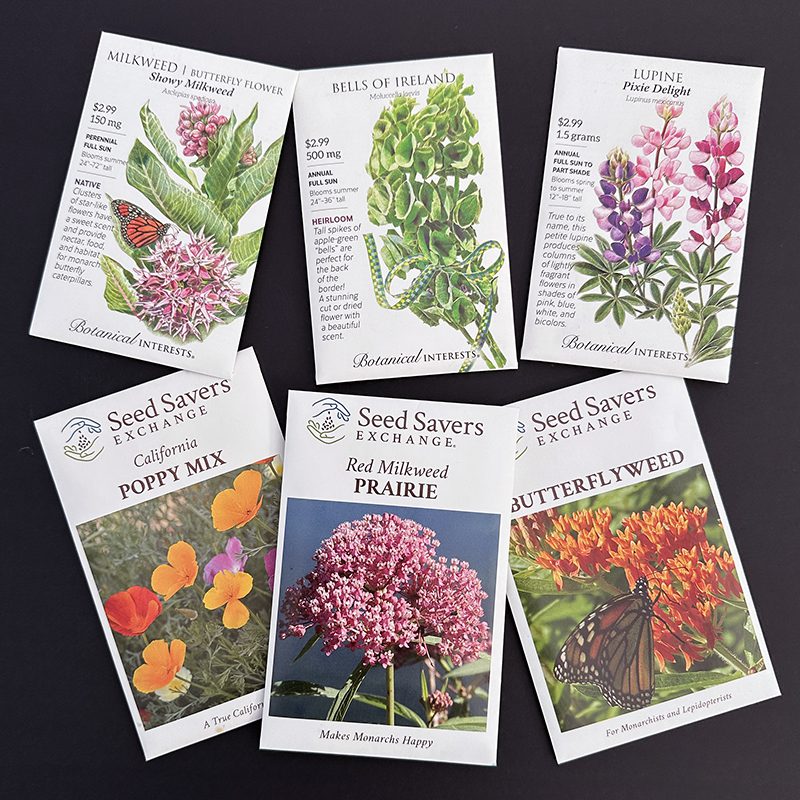
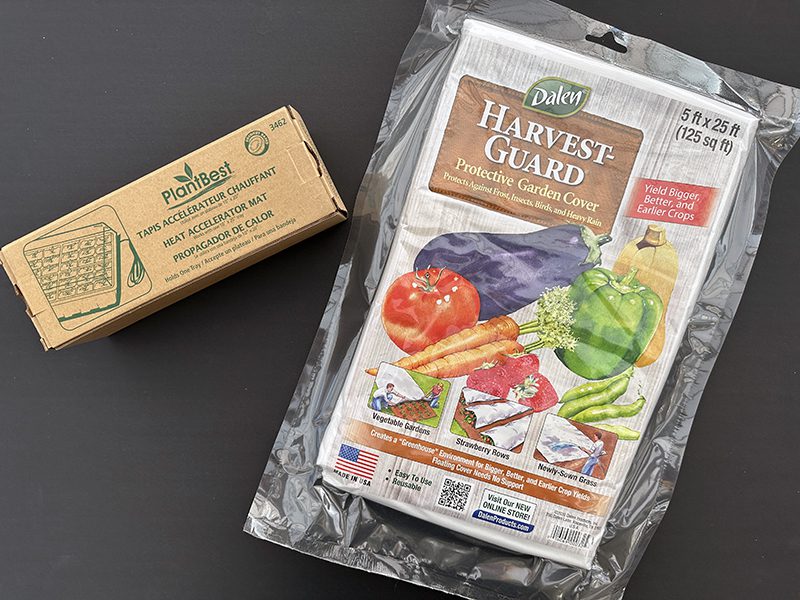
Some seeds either need to go through a cold period to germinate, or will sprout more quickly if given such treatment. You can sow these in pots outside right now. Cover those pots with something that prevents the squirrels and birds from poking around in them, but will let the rain keep the potting mix damp. We recommend covering your flats, pots or other containers with pieces of floating row cover (pictured below) that is held on with tape or twine.
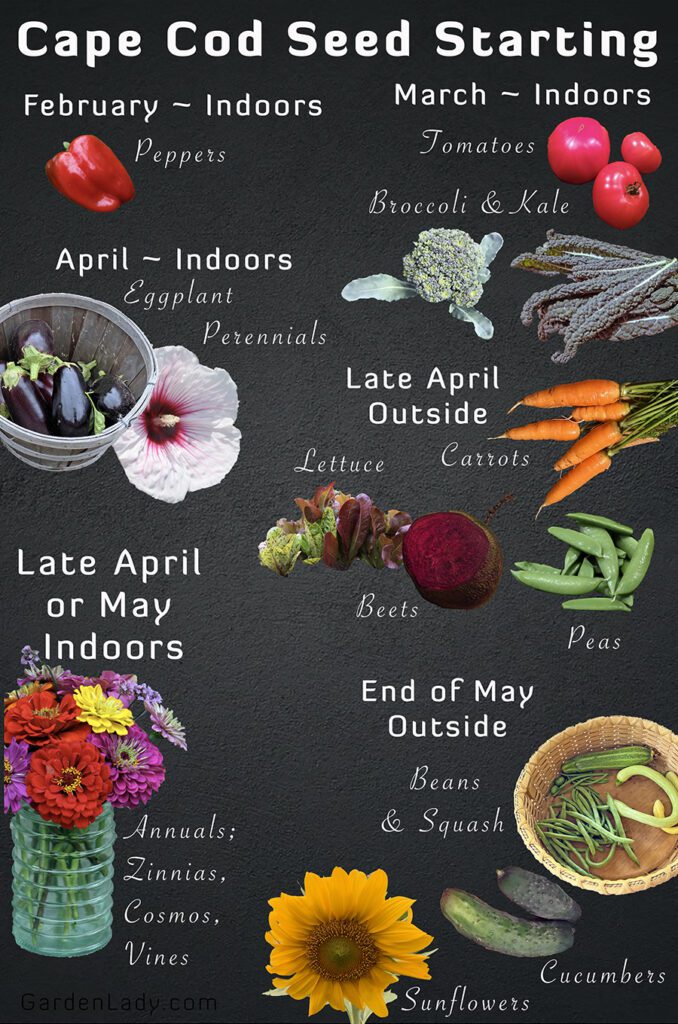
Plant These Seeds in February
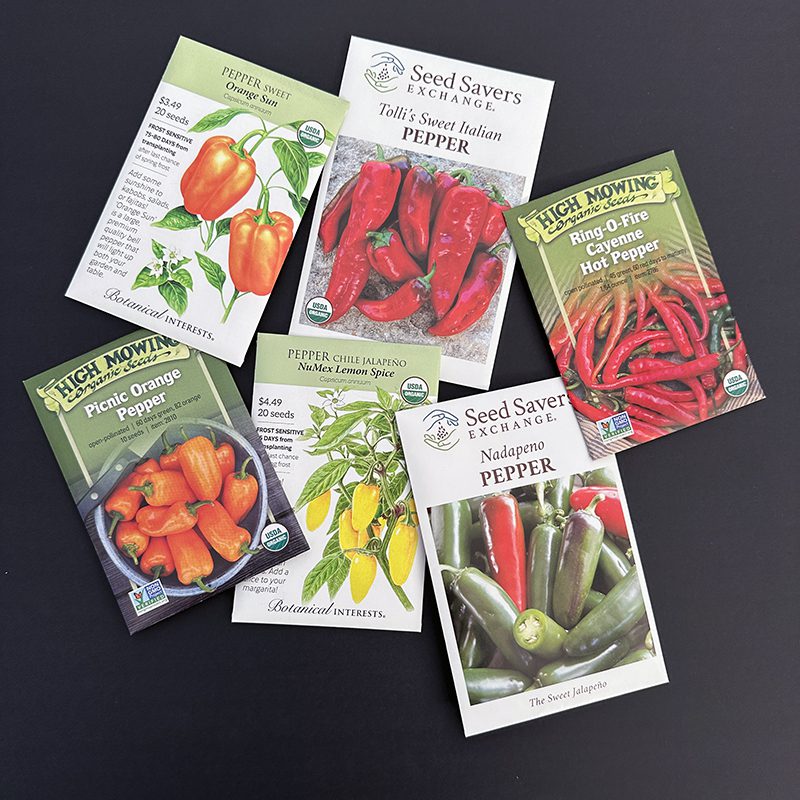
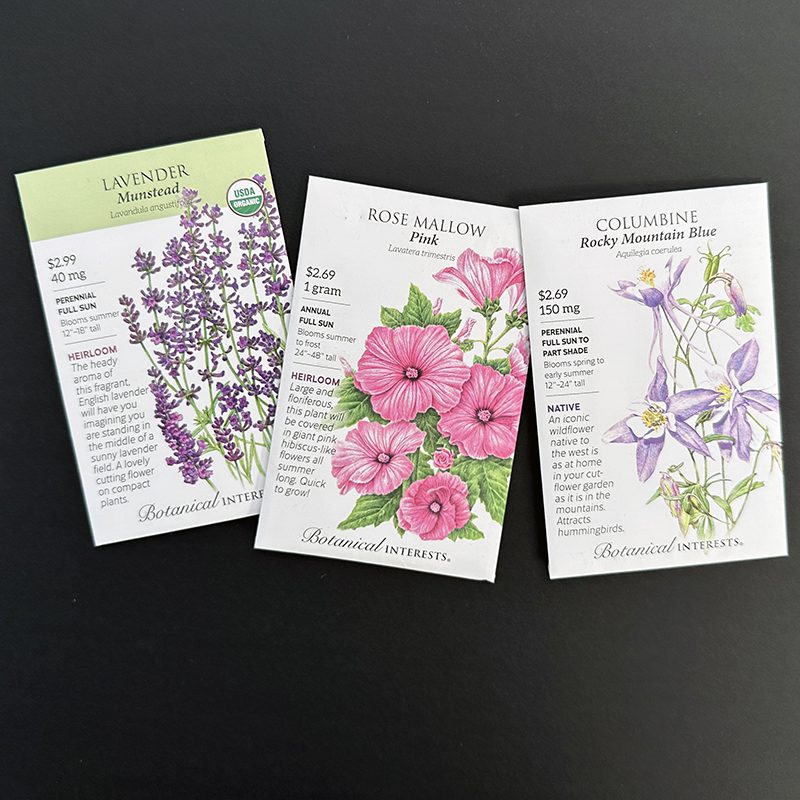
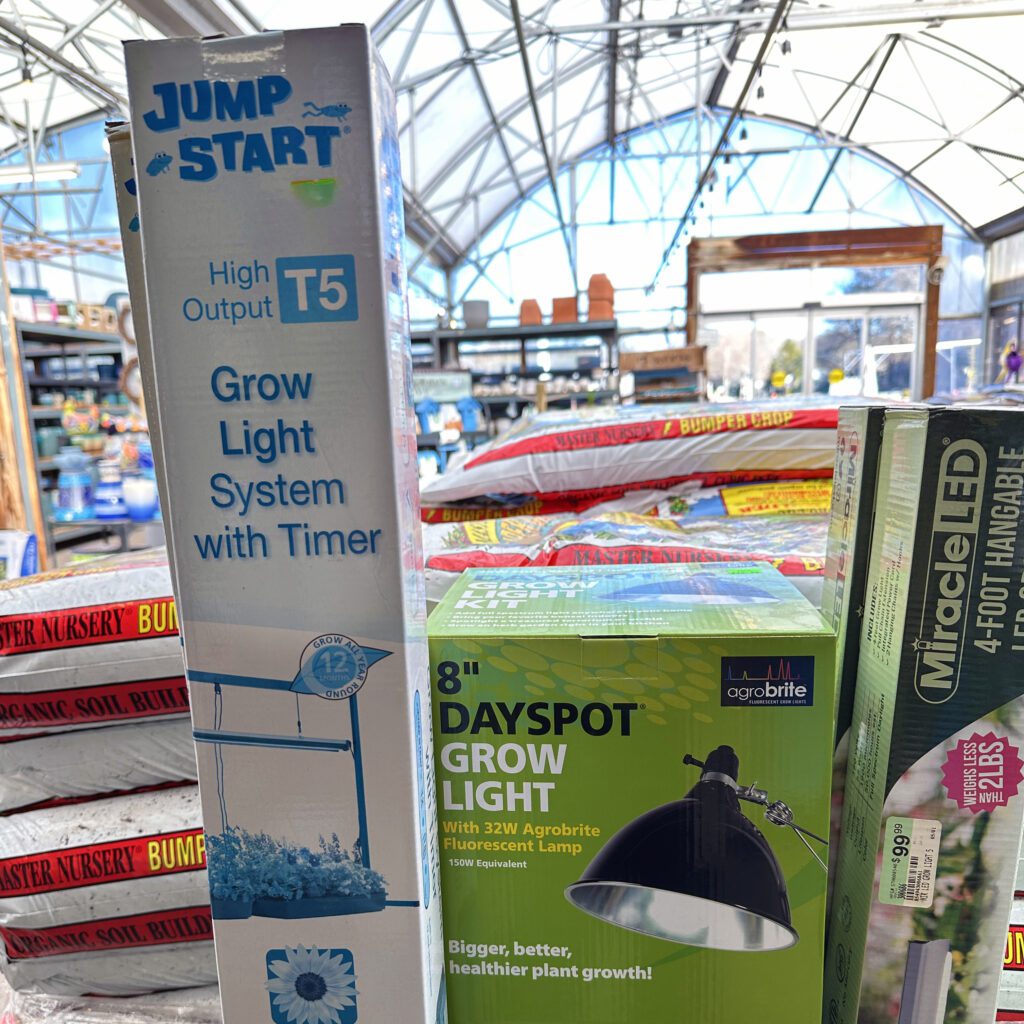
There are two types seeds that are best planted in February on Cape Cod. The first are the peppers, and the second group are many perennials. Peppers take longer to germinate than most other vegetables, and the small seedlings don’t grow quickly. Pepper seeds geminate best when the pots or flats are placed on a heat-mat that’s made for seed germination. They also benefit from grow lights unless you have a very sunny, south-facing window.
Plant These Seeds In March
Tomatoes are the seeds that many Cape Cod gardeners sow in March. Other seeds that get started this month include Cannabis, which has a timing very similar to tomatoes. (Note: we offer two classes in Cannabis cultivation. One is virtual and the other in-store. See registration information on our Events page.) In addition to these plants, which don’t go into the garden until May, cold weather veggies such as kale, broccoli, cabbage and Brussels sprouts can be sown inside in March. These plants can be put out into the garden in early to mid April.

Start These Seeds in April – or Even Early May – on Cape Cod
Vegetables and flowers that grow quickly are best if they aren’t started inside too early. If gardeners get impatient or think that a long head-start is better, they end up with plants that are too large and leggy before it’s warm enough to put them outdoors. In fact, many plants such as squash, cucumbers, green beans, corn and lettuce are best if the seeds are sown directly in the ground. Just because we sell these plants as seedlings in May in our garden center doesn’t mean that the home gardener needs to start them early in pots or flats.

Do Not Start These Seeds Inside!
There are some plants that you never want to sow indoors. All seeds for root crops should be placed right in the ground where they are to grow, and any plant that doesn’t transplant well should be direct-sown outside. Additionally, most vining plants are tricky inside since if you start them too early they become tangled and weak if it’s too soon to plant them outside.

Insider Information: Soil Temperature is Important
The temperature of the soil plays a huge role in how quickly seeds germinate. That’s why a seed-starting heat mat is useful, and why planting seeds outdoors too early can backfire. Here on Cape Cod our soil stays cooler in the spring because of the ocean. Download and print out this chart that shows how long common vegetable seeds take to germinate in various soil temperatures. You’ll see that putting seeds in the ground too early won’t necessarily result in earlier growth. It’s typical for the soil on Cape Cod to be around 48° at the end of March or early April.
2 Comments
Leave a Comment
Subscribe To Our Newsletter
Sign up for our weekly email about sales and events.
Thank you CL. This is perfect!
You’re welcome!