
Houseplant Q & A
Houseplant Q & A
In the last week several emails have arrived asking about houseplants, so it’s a good time to visit the pleasures and problems that people are seeing in early February. Here are a few of the queries that have come in.
The Fungus Gnats are Driving me Crazy!
Most people who have indoor plants have to deal with fungus gnats at some point. They are those tiny, dark insects that you swat at and can never seem to catch. Although people commonly call them “fruit flies,” they are, in fact, a different insect. Fungus gnats breed and grow in moist, organic potting soils, while fruit flies can be found in rotting fruit and garbage cans. Dealing with fungus gnats requires a two-pronged approach. First, you want to try and eliminate the flies that are driving you crazy, and secondly, stop the hatching of new insects.
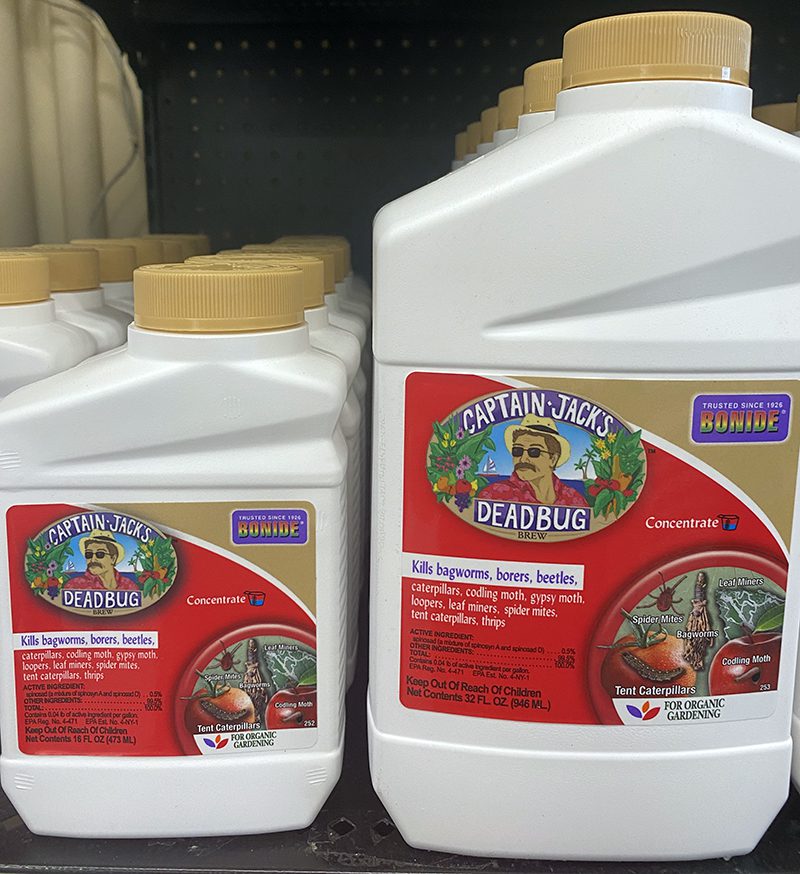
The adult flies can be trapped with yellow sticky cards. They are attracted to the color yellow, and then get trapped on the cards. But this alone won’t stop these from continuing to breed. The second control is to let your plants dry out a bit in between waterings. Fungus gnat larvae live in moist, organic potting mixes and feed that and on the plant roots. The fastest way to kill those larvae is to add spinosad, aka Captain Jack’s Deadbug Brew, to your watering can every time you water your plants. Use this on all of your plants for a month. The spinosad coats the roots and the organic materials that the larvae eat, and when they ingest it they die.

My Monstera Has a New Leaf But it’s Pale in Color
One of our customers wrote that her Monstera has a new leaf emerging, but she’s concerned because it is so pale. “Does this mean that I need to fertilize? Or am I overwatering?” she asked. In this case there is no need for concern. The new leaves on this plant are naturally bright green and paler than the mature foliage. Think of the difference between a baby’s skin and that of an adult human. As long as the mature foliage is still dark green it’s not likely that this plant is being overwatered. Like many houseplants, we wait until later in February until we start to fertilize again. If you routinely put your Monstera outside in the summer you can give it some time-release fertilizer such as Shake n’ Feed then, or you can begin to apply the liquid fertilizer of your choice at the end of this month. Remember to always water your plants well before applying a synthetic fertilizer: never feed a thirsty plant.

My Winter Jasmine Isn’t Blooming
Tina wrote in that she’d noticed the fragrant winter jasmine in our greenhouse recently, and she’s wondering why the one that she kept over the summer isn’t flowering for her. “I put it outside for the summer and it grew twice the size that it was, but no flowers. What’s up?” I responded to Tina that these plants, Jasmine polyanthum, are triggered into blooming by cool temperatures. They can’t live through a frost, but next year leave this plant outside for as long as possible in the fall. Then bring it inside to a room where it’s both sunny and cool…50° to 55° is ideal. Those who are fortunate enough to have a cool sunporch or three-seasons room have the perfect place to bring this plant into flower. Once it has buds, don’t let it dry out or be exposed to very cold temperatures.

Do you have a houseplant or garden question? Come into the store to meet with our knowledgeable staff, or send me an email: clfornari@countrygarden.com

Subscribe To Our Newsletter
Sign up for our weekly email about sales and events.