
Freshen Up Your Pet’s Diet
Freshen Up Your Pet’s Diet
In our Pet Department here at Hyannis Country Garden, we offer a wide variety of pet products to fit customers’ needs and preferences when shopping for their furry loved ones. As to be expected, some of the pet foods on our shelves are better for your pet than others. If you’re looking to freshen up your pet’s diet, we’re happy to provide you with info on how to get started.
There is a lot of information out there on what to feed and what not to feed your pets. How do you choose from so many brands in order to provide the healthiest diet for your dog or cat, while keeping it convenient and budget-friendly for you?
We are proud to have a knowledgeable and dedicated pet department lead at HCG, Katie Carron, who, in the following interview, addresses these questions.
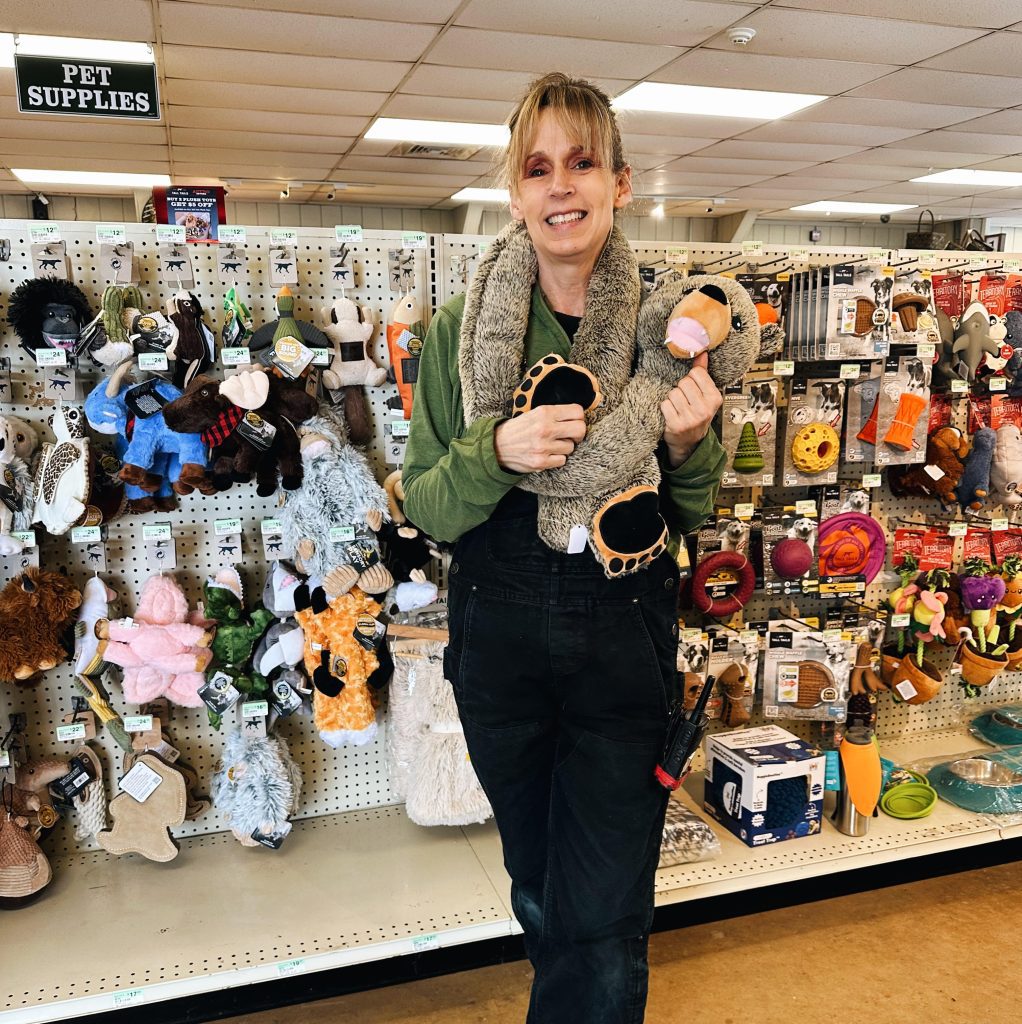
Katie has worked at dog kennel, pet stores, and even a zoo. She owned a grooming shop for 10 years, was a vet tech for 5, and co-owned a (human) nutrition store for 25 years. She has fostered a total of 115 animals and currently has 3 rescue dogs, 4 cats, and 51 koi fish at home.
Q: What do you feed your pets?
Katie: Since working here and researching all the different pet foods and manufacturers and ingredients and sourcing and how they make the products, I have switched my dogs to full raw. Which means 80% muscle meat, 10% organ meat, and 10% bone. The cats eat raw probably once a week and then only canned, and if I give them anything crunchy it’s freeze-dried raw. No kibble. Cats are not designed to eat carbohydrates…they are what we call an “obligate carnivore” which means they cannot live without [animal] protein.
Q: What is the difference between the frozen raw pet foods that we sell, and meat you buy at the grocery store?
Katie: The frozen pet foods here have to meet AAFCO (Association of American Feed Control Officials) standards. If you were to just go buy a piece of steak and feed that to your animal…then the fat content’s not there; there’s no bone, there’s no vitamins, there’s no organ meat. They need to be balanced just like we need to be balanced.

Q: What do you mean by “balanced”?
Katie: Most of the pet foods have vitamins added. Some include fruits and vegetables…so you can get the certain nutrients that you need from [those] sources rather than getting it from a vitamin supplement. So basically if you were to make your own pet food…you would need a lot of different ingredients, not just one or two.
Q: Why is pet food so expensive?
Katie: Because our [HCG’s] pet food…most of it is made with human-grade ingredients…whereas grocery store [pet] food comes from meat that is not fit for human consumption. You see by-products…they use the discarded portions of the animals rather than using the whole animal. So that process along with baking at a low temperature…rather than using a huge machine to extrude it…it’s a slower process, it takes more machinery, it takes more people to do the work.
Q: What can customers do to bring cost down a bit but still feed their pets a healthy diet?
Katie: I would probably keep the current food that [my pet is] on…read ingredient labels is the first thing; know what you’re feeding. If you choose to feed kibble, make it a kibble that you know hasn’t had recalls, has the ingredients that you’re looking for, and cut it down even by a third. Add fresh meat, you can do gently cooked, you can do raw…you can do fruits and vegetables. Anything to help give them fresh food.
Q: What’s the difference between frozen and freeze-dried raw?
Katie: So a lot of people don’t like to do raw, since it can sometimes be messy when serving. I wear gloves when I have to do it. To avoid this, freeze-dried raw is the best alternative. It isn’t the same as fresh, but when you’re rehydrating it, it is still giving [your pet] the benefits of [fresh] raw. It’s not processed, it’s easy, and it’s convenient.

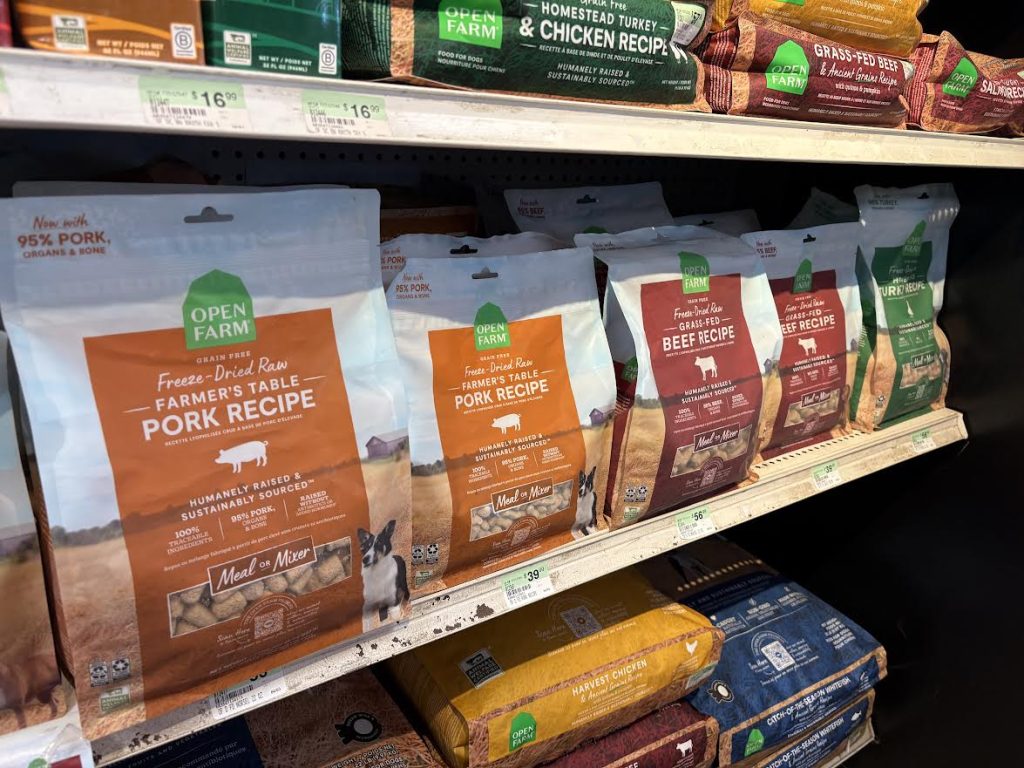
Q: What’s the deal with grain-free?
Katie: The thing with grain-free and what I try to tell a lot of people that come in here is that I would never choose a grain-free product that is substituting by adding peas, legumes, beans, anything like that… it boosts the protein up and it also boosts the carbs up. So that’s where grain free gets tricky. Grain isn’t bad, it just has more allergens in it. If I were going to choose a grain free pet food…I would choose more like a protein source with sweet potatoes, blueberries, broccoli, kale.
Katie adds: Kibble was created as a convenience for humans. The average lifespan of animals has gone down in the past 20 years because they’re eating processed food. I have people that come in and say, “I want to switch to a better food” – no, just stay with the food that you have and cut it down and add fresh meat, bone broth, freeze-dried raw…anything to freshen up your pet’s bowl.
If you need assistance sifting through ingredient labels, frozen food options, or have questions about brands and supplements, come and ask – and don’t forget to bring your pet in with you!
Is there a certain pet product that you’d like to see on our shelves? Let us know in-store, and we’d be glad to look into getting it for you. Customer suggestions have helped our Pet Department grow to the size it has, and we hope to expand it further.
Subscribe To Our Newsletter
Sign up for our weekly email about sales and events.