
What is Adaptive Gardening?
What is Adaptive Gardening?
Gardening can be enjoyed by anyone. Whether you’re navigating limited mobility, chronic pain, injury recovery, or simply want to make gardening less taxing on your body, Adaptive Gardening will help you achieve your gardening goals in a comfortable way.
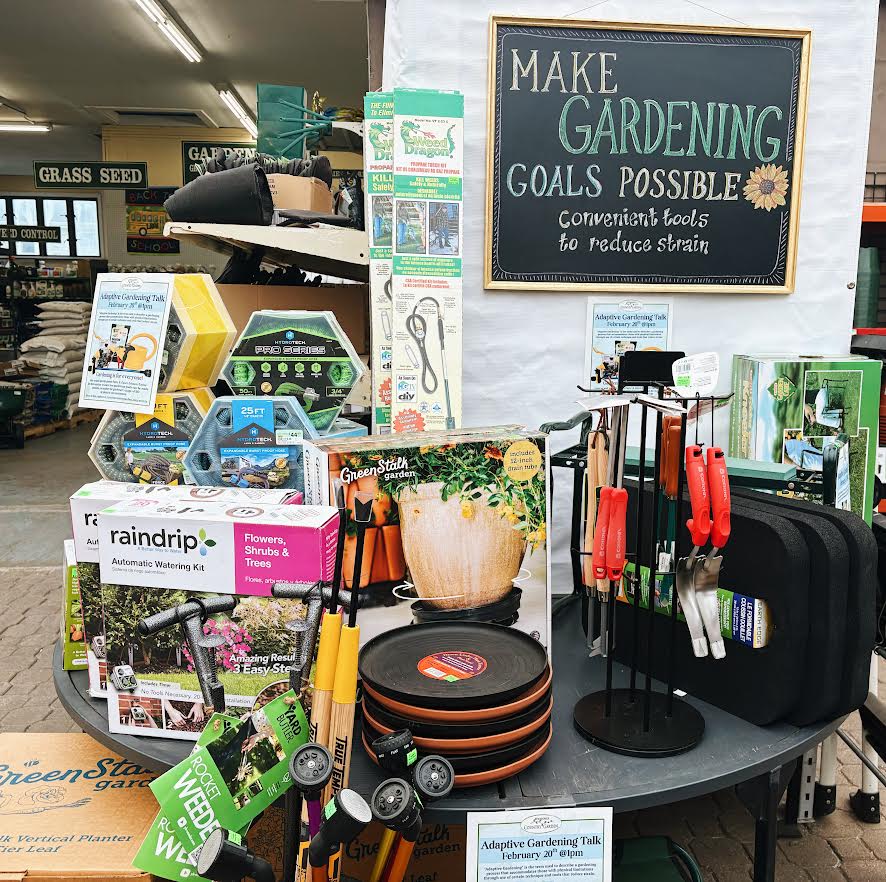
Adaptive Gardening Explained
Adaptive Gardening is the modification of tools, techniques, and garden layouts to make gardening accessible to people with limited physical ability. Gardening as a hobby provides wonderful benefits including reduced stress, improved mood, a connection to nature, and a sense of accomplishment. Adaptive Gardening ensures those benefits are available to gardeners of every age and ability level.
There is no “one” way to garden. Gardening comes in all shapes and sizes. Being a gardener can look any way you want it to. It doesn’t have to be about doing less, it’s about gardening in a way that works for you.
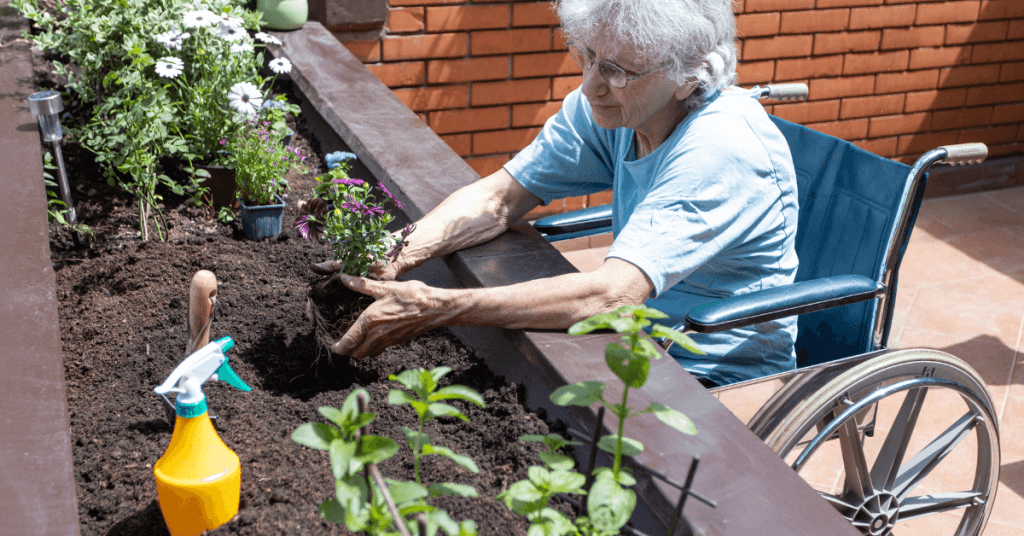
Raised Beds & Accessible Layouts
One of the most popular adaptive gardening strategies is using raised or elevated beds. These reduce bending and kneeling while improving drainage and soil quality. Beds can be customized in height to accommodate seating or standing gardeners.
Other layout considerations include:
- Wide, level pathways for walkers or wheelchairs
- Vertical gardening with trellises and wall planters
- Container gardening on tables of sturdy stands
- Grouping frequently used plants within easy reach
A thoughtfully designed space can dramatically reduce fatigue and increase independence.
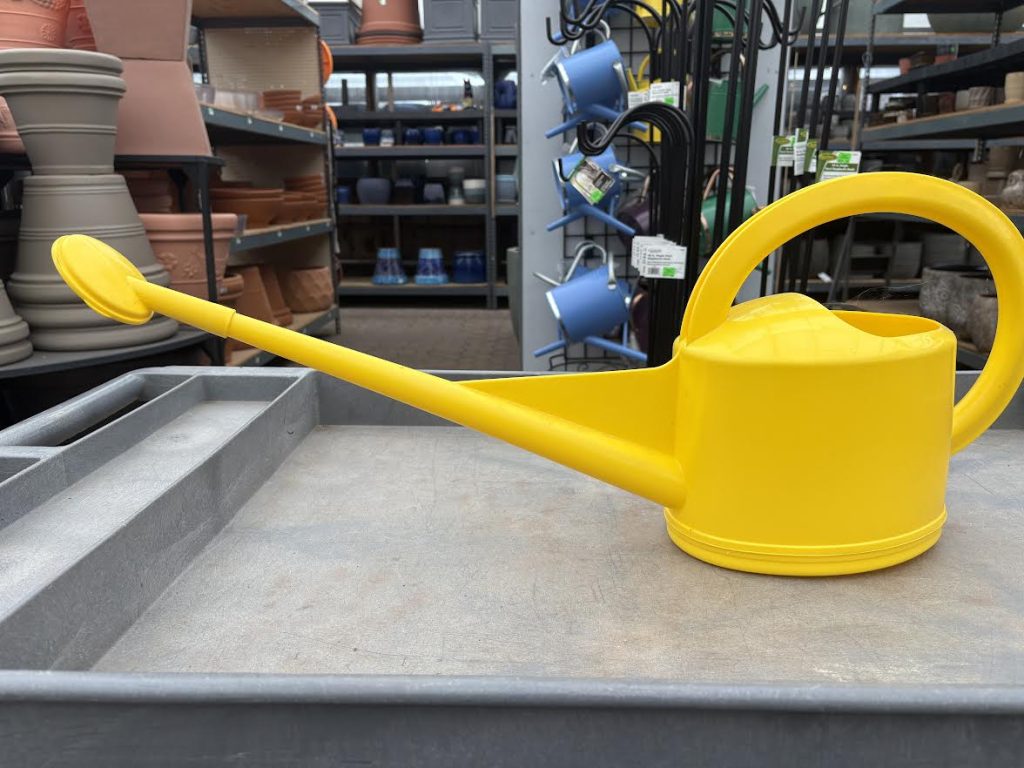
Ergonomic & Easy-To-Use Tools
The right tools make all the difference for reducing physical strain when gardening.
Types of tools to look for:
- Padded, non-slip grips
- Lightweight materials
- Long-handled tools to reduce bending
- Ratcheting pruners for reduced hand strength
- Garden kneelers or cushions
Even simple changes – like switching to a lighter watering can or using a hose with a trigger nozzle can conserve energy.
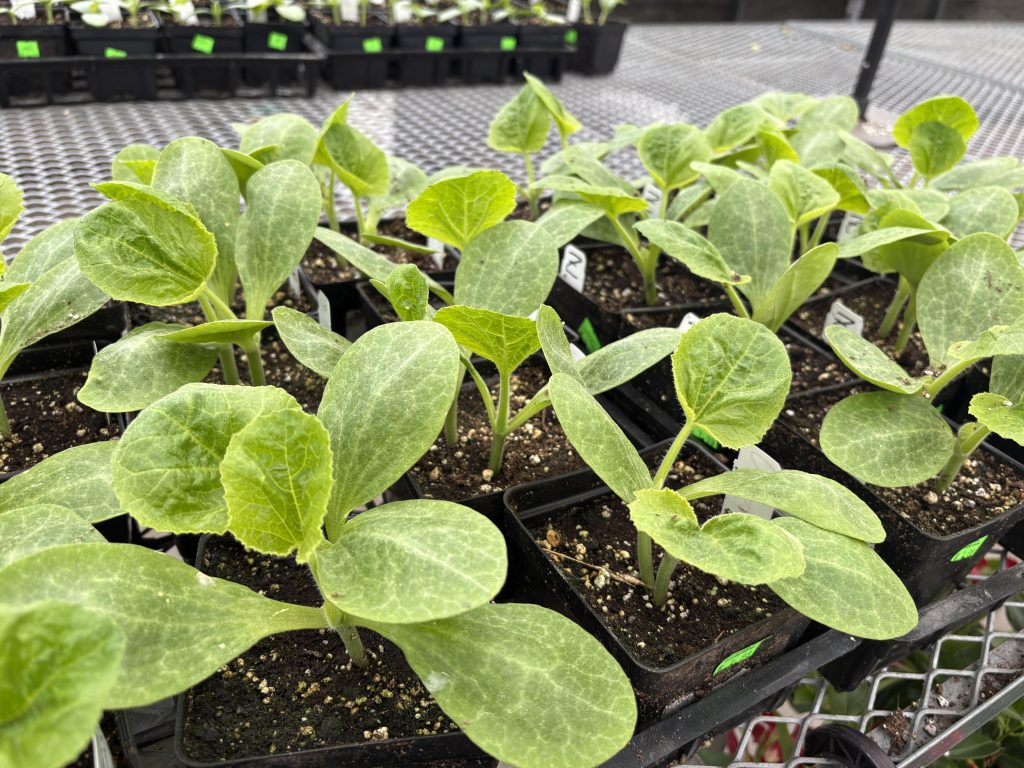
Smart Plant Choices
Adaptive Gardening can also include choosing plants that are easier to care for:
- Herbs or vegetables that can thrive in containers
- Low-maintenance perennials
- Drought-tolerant varieties
- Compact or dwarf plants
- Slow-growing shrubs
Selecting plants that fit your energy level and maintenance preferences helps to prevent burnout, keeping gardening joyful consistently.

Make Gardening Your Own
Adaptive Gardening is about inclusion, accessibility, and empowerment. Embracing this concept allows you to create gardening projects that honor your body, pace, and environment. Your garden should work for you, not the other way around.
At Hyannis Country Garden, we’re proud to offer tools, planters, and practical solutions designed to support gardeners of all abilities. Stop in to explore our adaptive-friendly selections and get growing, your way.
For more in-depth information and advice about Adaptive Gardening, make sure to join us on Friday, 2/20 at 1pm for our Adaptive Gardening Seminar with special guests Patty Ericson-Taylor of the Barnstable Disability Commission and Dawn Ericson-Taylor, both of whom are avid gardeners with much personal adaptive gardening experience to share.
Free event, register here: https://www.hyanniscountrygarden.com/events/adaptive-gardening-seminar/?occurrence=2026-02-20
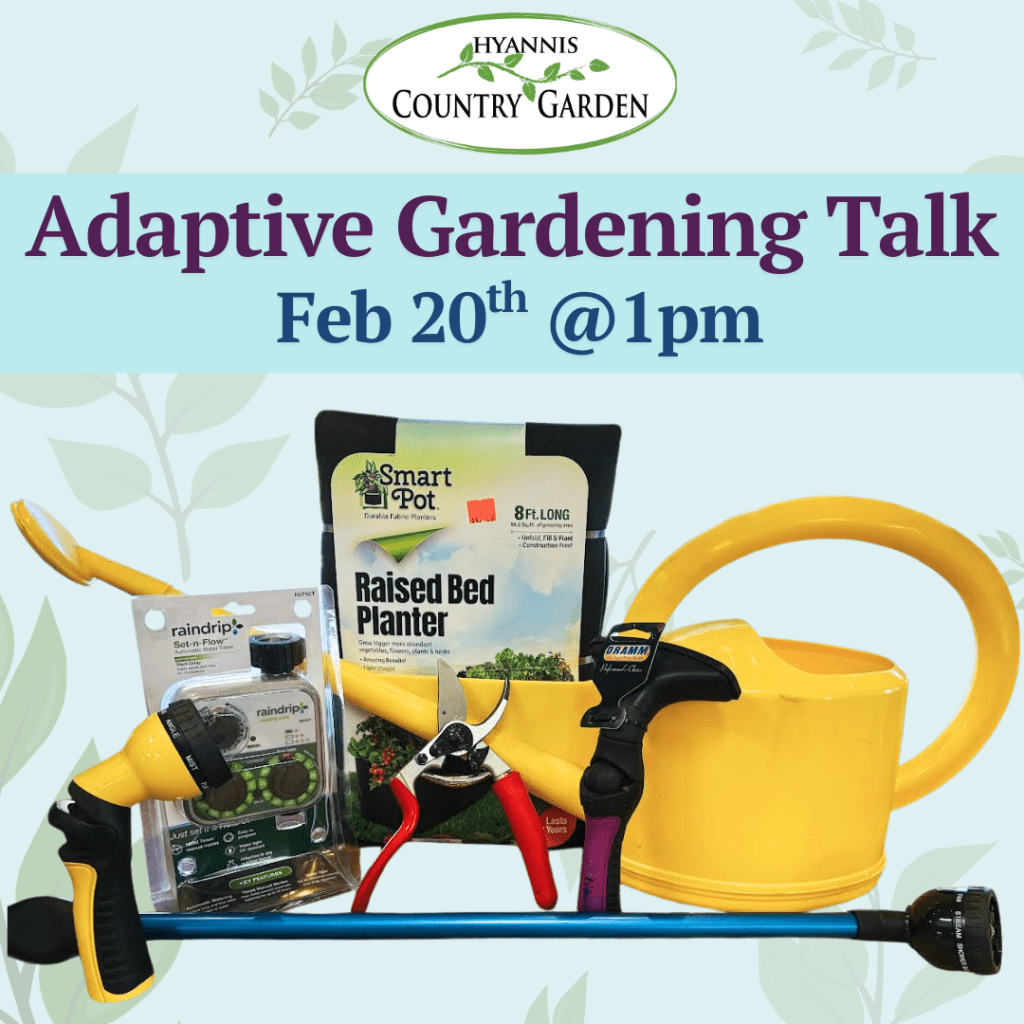
We hope to see you there.
Last year, Patty Ericson-Taylor and Dawn Ericson-Taylor created a video about Adaptive Gardening in collaboration with the NCHPAD, showcasing Patty’s favorite tools and techniques to use. As longtime customers of ours, Patty and Dawn asked if Hyannis Country Garden could be featured in the project. We’re grateful to be a part of it and spread awareness that gardening is possible for anyone.
Check out the informative video here: Adaptive Gardening Video w/ Patty & Dawn
Happy gardening!
Subscribe To Our Newsletter
Sign up for our weekly email about sales and events.