
Planting Your Cape Cod Vegetable Garden
Planting Your Cape Cod Vegetable Garden
It has been a warm spring so far, and we are very close to being able to plant most vegetables outside. If you want to be sure that your tomatoes, peppers, eggplant, beans, squash and cucumbers do well, however, wait until May 15th and double check the night time temperatures predicted from that day forward. We want to see those temperatures above 50°F at night. That will indicate that both air and the soil are warm enough for the summer vegetables. Here are 6 tips for planting your vegetable garden on Cape Cod.
1. Pull Winter Weeds First
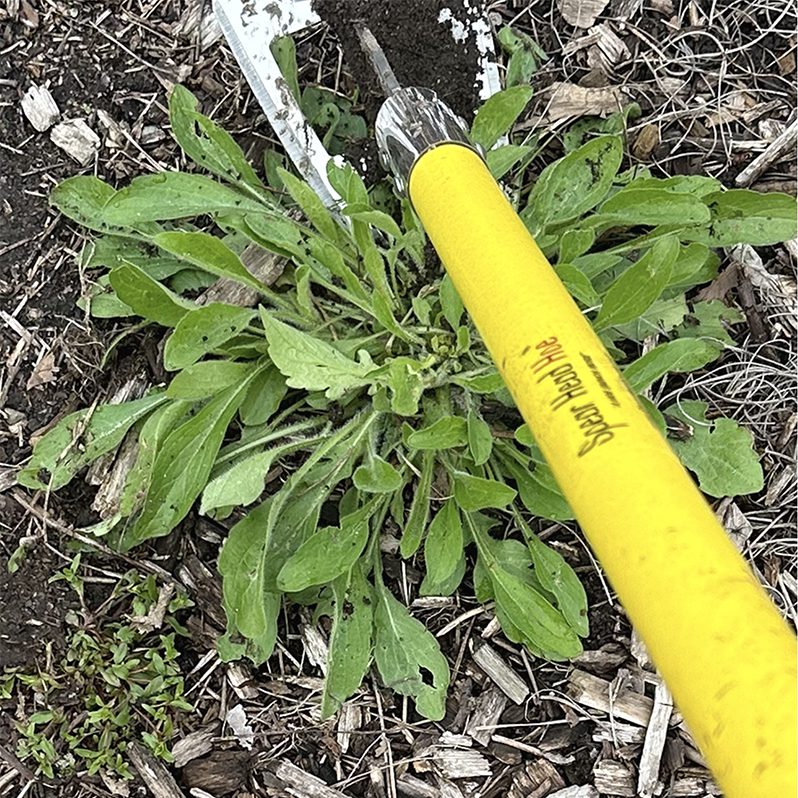
You undoubtedly have the weeds that germinated last fall or during the winter. Bitter cress, fleabane, dandelions and others can be found in vegetable gardens now. Pull or hoe these before you start to plant.
2. Make Sure You’re Soil is Topped off in Raised Beds
If you’ve had a raised bed for a few years, you might want to top off the soil level before you plant. Over time the dirt in raised beds sinks, especially if was mixed with compost when you first filled the beds. Since deeper root systems grow stronger plants, it’s a good idea every few years to top what’s in your beds with more loam. When vegetables can grow deeper roots you can also put in more plants. Use straight loam, and if you want to amend with compost top that with an inch or two of compost.

3. You Can Grow Lettuce Between Larger Vegetables
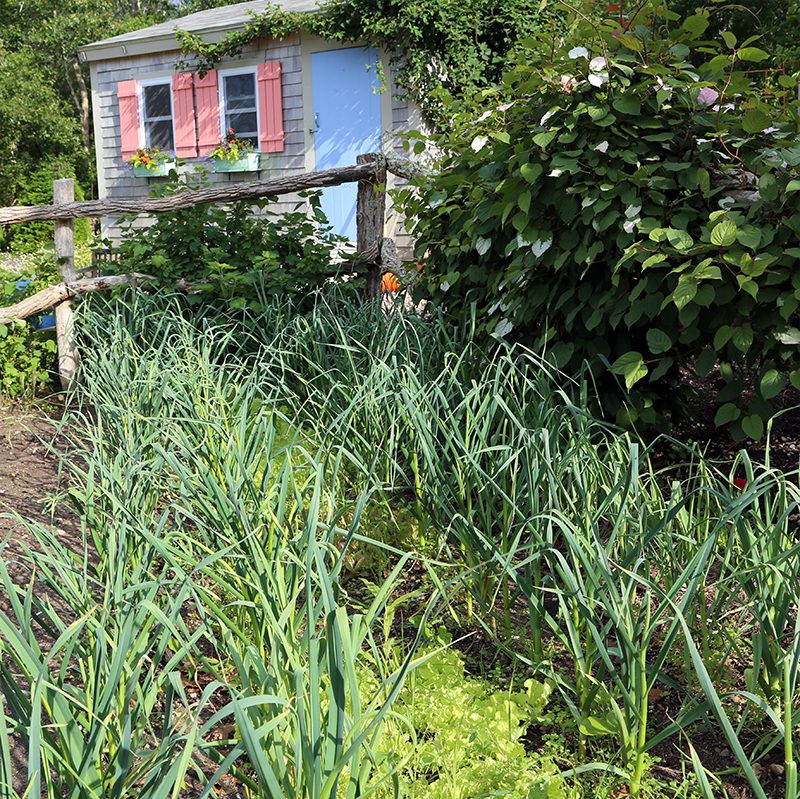
You can plant lettuce and other salad green seeds in between taller, later crops such as eggplant, peppers, and tomatoes. Lettuce and arugula seeds can also be sown around the garlic that you planted last year. Once the salad greens have leaves large enough to harvest, cut those large leaves but let the smaller parts remain so they continue to grow. If you have many plants, thin out every third plant and eat it, creating more space for the others to mature. You’ll be finishing this crop of salad greens by mid-summer when the taller vegetables start to mature.
4. Don’t Mound up Soil and Plant on Top!
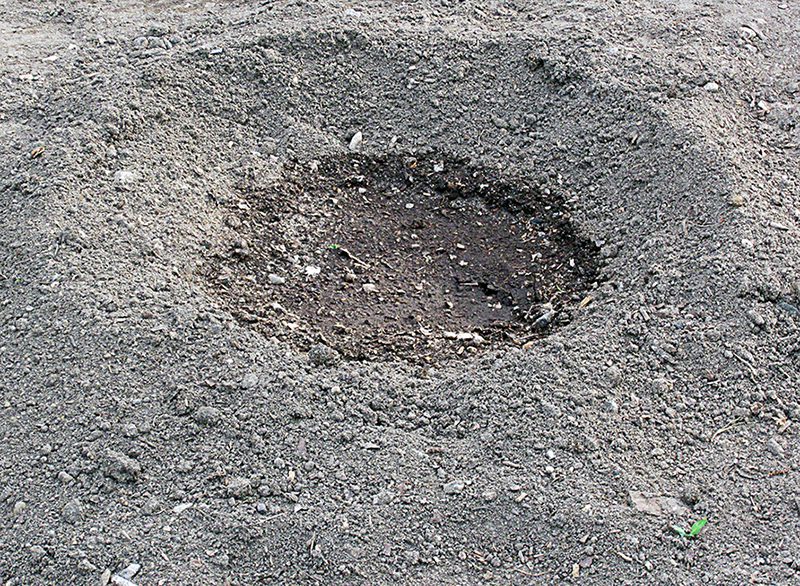
Mounding soil up and planting vegetables on the top may be a good method for those who garden in heavy clay, or where flooding rains are the norm, but on Cape Cod it’s not a good practice. Mounds dry up quickly and are hard to keep watered since the moisture slides down the slope instead of soaking in around the roots. Plant all of your vegetables on level earth. (Fun fact: the seed packages or websites that say “to plant squash in hills” don’t mean that you should pile up the soil. “Hills” is an old agricultural term for a group, and those instructions are just saying that you should sow these seeds together in a group of four to six plants. See C.L.’s book Coffee for Roses for more about this and other garden myths.)
5. Space Larger Growing Vegetables Out From Each Other
When you buy vegetables that have been started by professional growers there are usually tags that give you the recommended distance apart to place plants. Giving plants the space they need results in bigger crops. If this is your first vegetable garden, know that Zucchini and other summer and winter squashes grow very large plants. If you have smaller raised beds, look for seeds of varieties that have been bred to be smaller since the plants that we sell will be for larger types.

6. Plant Flowers in With Your Vegetables
Although it’s a myth that marigolds keep insects out of the garden, it remains a good practice to include the single-flowering types in with edibles. (“Single flowering” means the flower is a row of petals around the reproductive parts that are pollen and nectar sources for insects. The rounded, fluffy marigolds don’t offer that easy access to pollen and nectar.) Single flowering marigolds, zinnias, and calendula attract pollinators to your garden, and they look cheerful as well.

Check in Frequently and Keep in Touch!
In May and early June we get deliveries of vegetables and annual flowers in frequently. Insider information: the main delivery days tend to be Wednesday and Thursday mornings, so if you come in on Thursday afternoon or Friday you’ll have the best selection. We’re here to help you be successful with your vegetable gardening this summer, so stop in and let us know how we can help.
2 Comments
Leave a Comment
Subscribe To Our Newsletter
Sign up for our weekly email about sales and events.
Are the portulaca plants in yet
Yes – there are pots of large portulaca in the Proven Winners section and six packs either in the front or on the racks on the side of the annuals section.