
Waking Up Your Dahlias
Waking Up Your Dahlias
Sharon Gordon’s first encounter with a dahlia was 15 years ago in Jamaica. Cleaning the soil out of some pots she received second-hand; she discovered something that appeared to be a potato. She tossed the dirt into her garden, in between her banana trees. “And here came this plant”, Sharon says, “this beautiful plant with a pink ball came out, and I still didn’t know what it was.” The plant would die back, and then come back, continually.
When Sharon started at Hyannis Country Garden in 2019, she was delighted to see her mystery flower among the spring bulb display. It was Caitlin’s Joy Dahlia.
Since then, Sharon has become a passionate dahlia-grower. Sharon’s role here at HCG is Finance Manager. As an accountant, it turns out that Sharon enjoys counting her flowers too; she now grows over 500 varieties of dahlia, an enchanting tropical plant native to Mexico. Last year, she started her own dahlia business, Blooming Blessings. Her dahlias are backyard grown in small, backyard batches. Strict sanitation, separation and inspection practices are maintained throughout growing. Blooming Blessings Sprouted Dahlia Tubers will be available here at HCG in a few weeks.
With unlimited varieties (cross-pollination creates new ones all the time!), in so many colors and intriguing flower patterns, it’s no wonder why the dahlia has become so popular. From pom-pom blooms to spider-like petals, dahlias make the best bouquets and ensure a vibrant garden in the summer and fall months.
Here are some of Sharon’s tips for choosing and planting those “potatoes” (tubers) you can find at Hyannis Country Garden right now.
Tubers
- A viable tuber will have buoyancy and an eye. Dispose of mushy tubers or tubers that are rock-hard. Note that It is normal for tubers to be a bit wrinkly.
- Don’t be worried about the shape of your tubers, as long as you have a healthy viable tuber it will bring you lots of joy.
- Err on the side of caution to prevent possible contamination, keep tubers separate, inspect, check tubers for discoloration, mold, or growth that resembles cauliflower (gall).
- Appropriately dispose of any infected tubers in the trash (do not compost) and deeply sanitize everything that tuber touched.
- Tubers with “eyes” should sprout. While a tuber without an eye may root, it will not sprout. Sharon describes an eye to be “like a white-head pimple”, usually located on the neck of the tuber.

dahlia.org
Three ways to wake them up – you can start now!
- Start with soil (we like to use Pro-Mix) that has the dampness of towel-dried hair. Use Ziploc bags, label them, add the soil and one tuber per bag, and leave unsealed. Wait for tubers to sprout by keeping them in a warm and preferably sunny area of your home.
- Plant tubers in a pot. You can leave them outside when nighttime temperatures are consistently between 40 and 50 degrees. Plant the tubers 4″ or more into the soil for a stronger plant with more roots – don’t be afraid to bury the sprout (if already sprouted). Your tuber will begin to develop roots.
- Plant tubers directly in the ground. Nighttime temperatures should be consistently 50 degrees.
Choosing a variety
- Decide what your motive is for growing. Is it to beautify your garden, have a bouquet a week, or to maintain a roadside flower stand?
- Consider stem length and sturdiness, important factors for arrangements.
- Read the packaging to determine the height of the plant. Dahlia heights vary from 1′ to 8′ tall!
- Do you have the means to effectively support your plants? Taller plants and dinner-plate varieties require staking.
- Grow what brings you joy!
- Visit dahlia.org for variety specifications and more
Tips for arrangements
- Cut flowers early in the morning
- Put the stem in boiling water after cutting
- Use about 30% white flowers to make colors pop
- Nice filler flowers include: baby’s breath, gomphrena, amaranth, snapdragons, yarrow, celosia
- Dahlias are a great “event flower” because their blooms are delicate and only last about a week
Culture
- Amend your soil with compost
- Alfalfa meal is an excellent starter fertilizer (high in nitrogen)
- Pinch your plantlets early to encourage branching
- Switch to a bloom booster fertilizer as buds forms
- Use repellants or fencing to guard against bunnies and deer
- Consider drip irrigation or a soaker hose for deep watering
Here is a list of Sharon’s Dahlia Growing Product Picks:
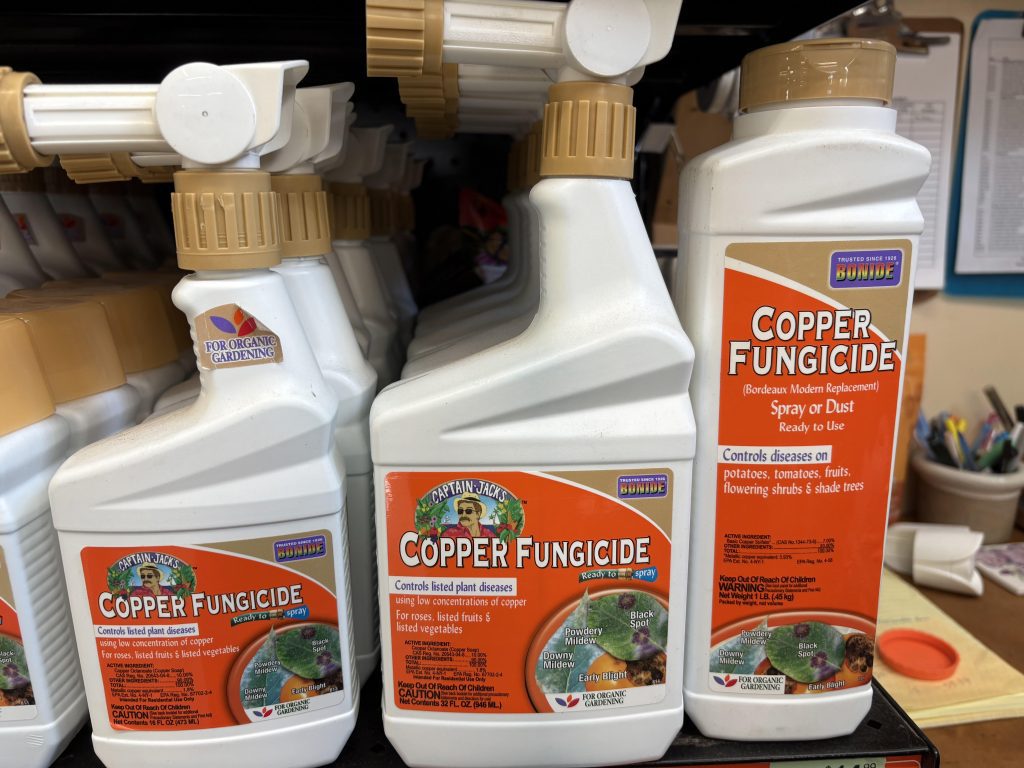
- Bonide Captain Jack’s Copper Fungicide
- Chameleon Adaptable Hose End Sprayer
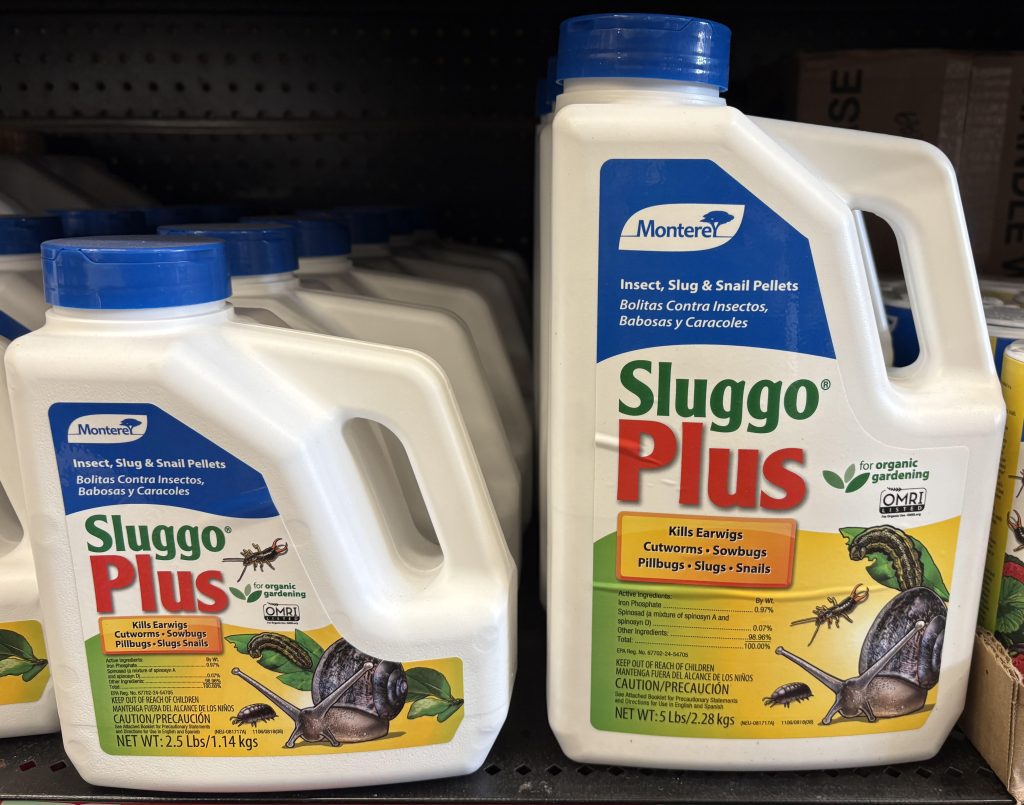
- Monterey Sluggo Plus
- Bonide Diatomaceous Earth
- Bonide Captain Jack’s Neem Max
- Orbit X-Stream Watering Tool

- Plantskydd
- Staking Supplies
- Chicken Wire Netting
- Trellis Netting
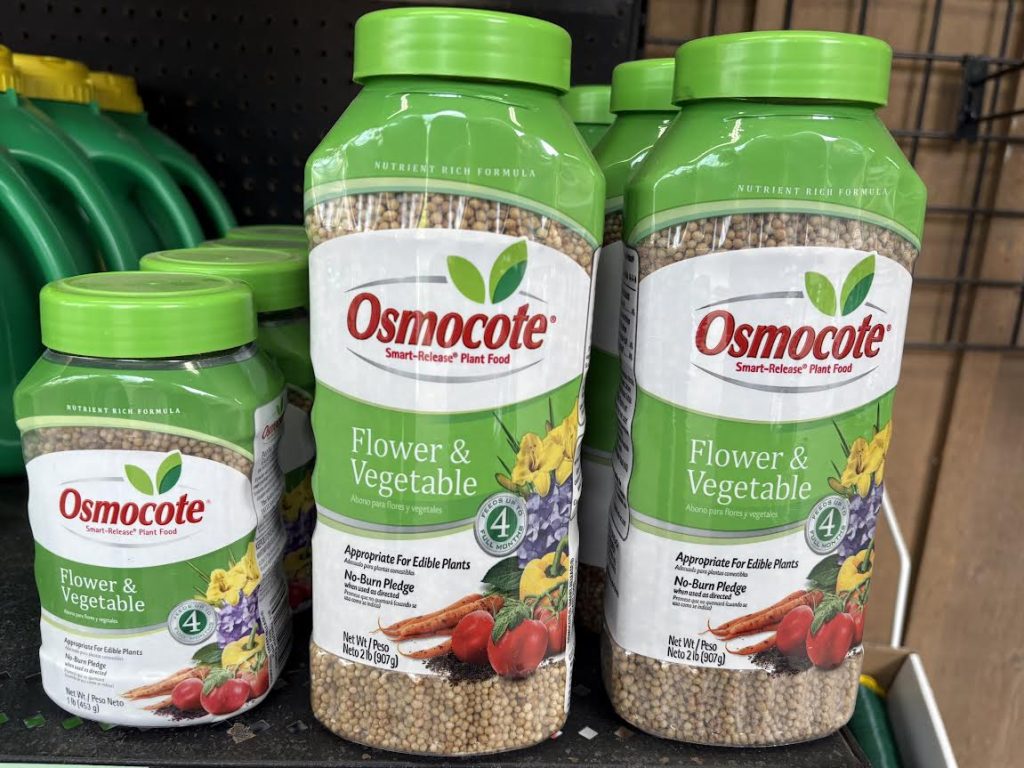
- Osmocote Flower & Vegetable
- Rapiclip Plant Labels
- MaxSea Plant Food
- Neptune’s Harvest Organic Fish & Seaweed Fertilizer
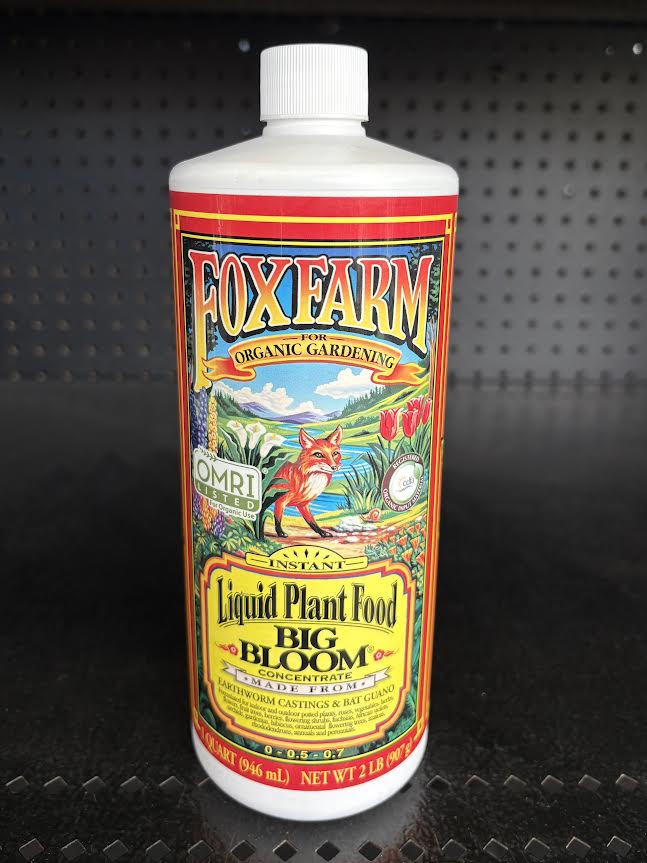
- Fox Farm Big Bloom Liquid Plant Food
- Fish Brew Liquid Fertilizer
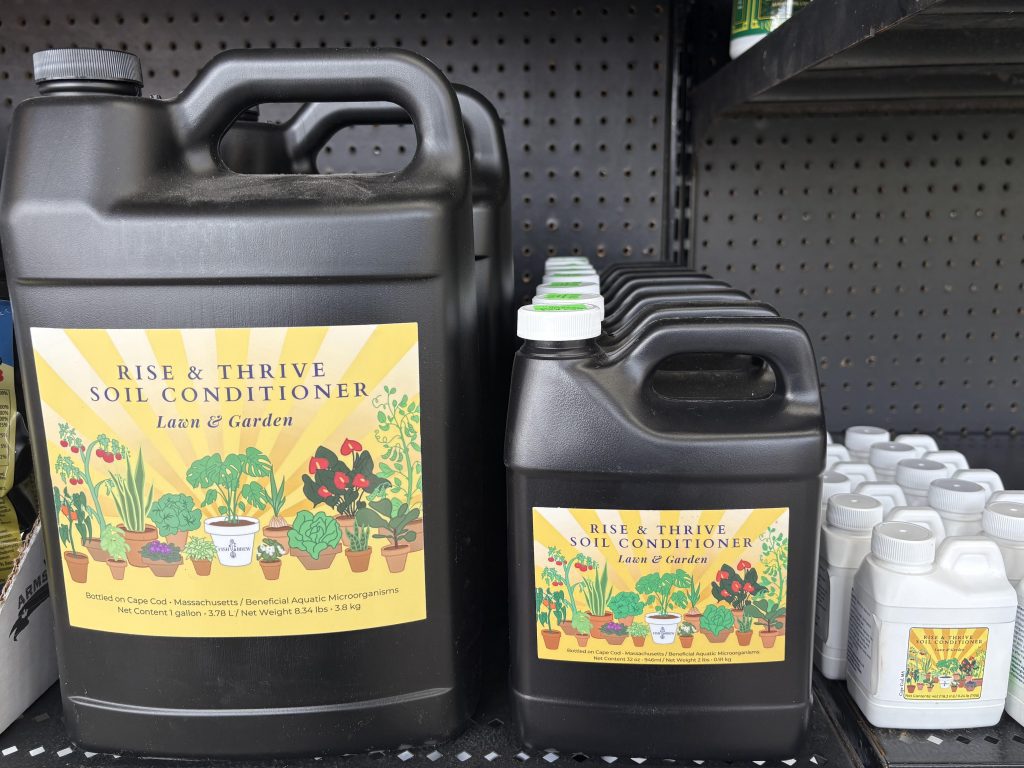
- Fish Brew’s Rise & Thrive
- Perlite
- Vermiculite
- Biochar
- Coast of Maine Earthworm Castings

Sharon Gordon has hosted two Dahlia Talks at Hyannis Country Garden, spoke at the Rotary Home Show this past weekend, and has plans for more dahlia festivities to come! Keep your eye out for more from Sharon and Blooming Blessings this year.

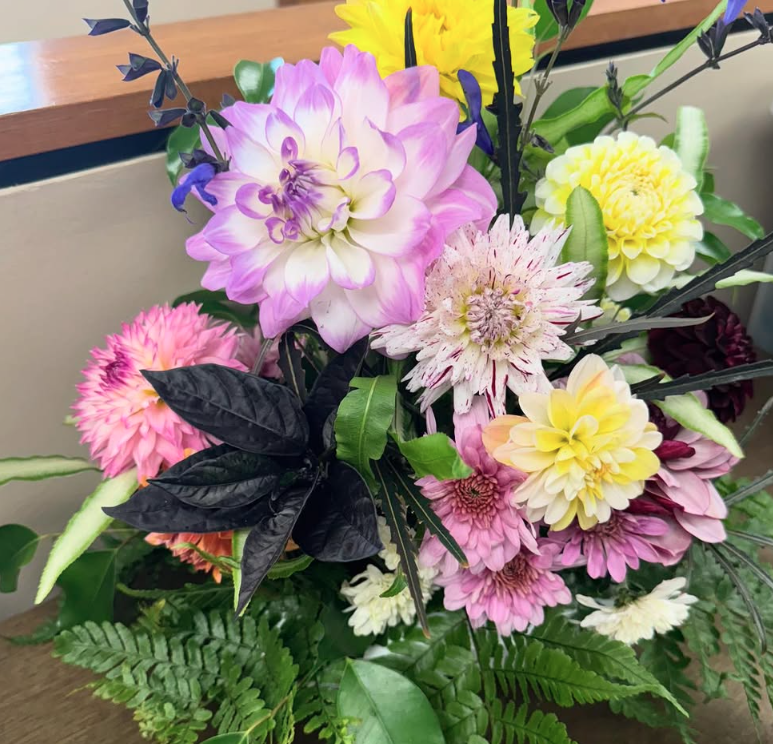
Dahlia Arrangements By: Sharon Gordon, made with her Blooming Blessings Dahlias

Floral Work By: Centennial Rose – Flowers By Stacey, featuring Blooming Blessings Dahlias
2 Comments
Leave a Comment
Subscribe To Our Newsletter
Sign up for our weekly email about sales and events.
Very detailed and precise instruction on how to be a successful dahlia grower. Very well written and easy to follow great article
We’re so glad you enjoyed reading this blogpost, John! Thank you for the feedback.