
Plant Bulbs Now For Cutting Next Spring
Plant Bulbs Now For Cutting Next Spring
Tulips, Daffodils and Allium are Perfect for Spring Bouquets
In October Cape Cod gardeners are still cutting dahlias and other annuals for display indoors. But as we enjoy these flowers before the first hard frost, it’s also time to put bulbs in the ground for cutting next spring. Here are some tips for success for planting bulbs over the next three weeks.

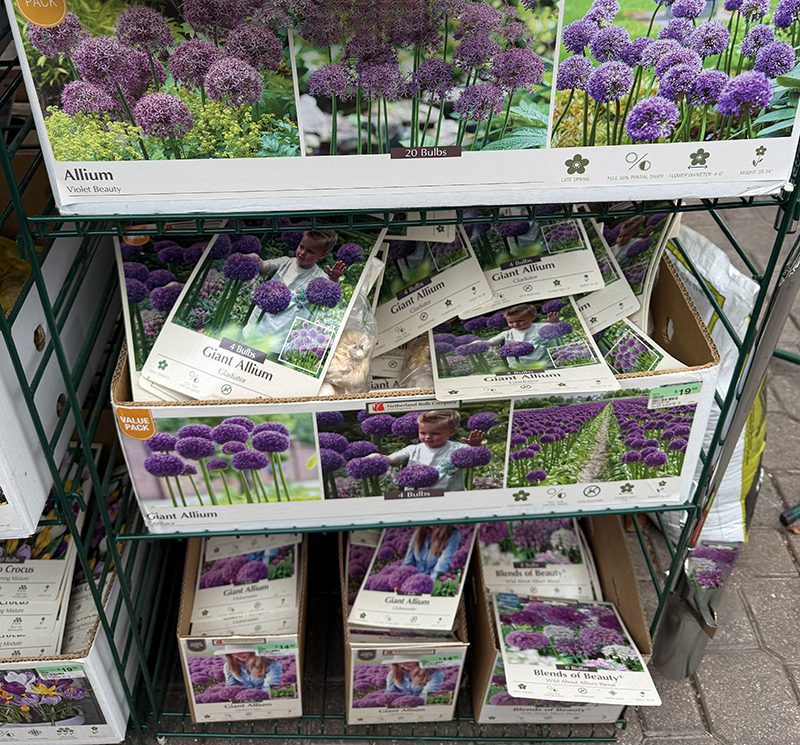
Plant Allium Bulbs Around Existing Perennials.
Allium are perfect to include in perennial gardens, and if you plant them in groups of seven or more you’ll have flowers to cut and others to flower among other plants. Tip for design success: place these bulbs behind perennials such as catmint that will be full and growing in May. Since allium foliage starts to die back as the plants come into bloom, those perennials will provide good “socks and shoes” coverage for those fading allium leaves.

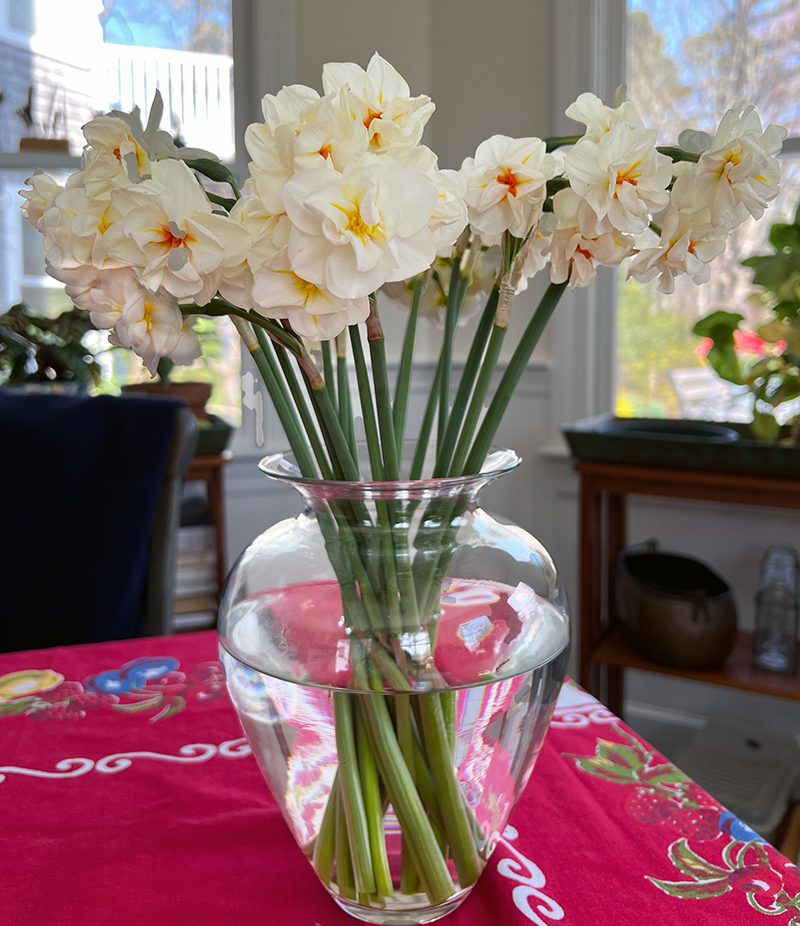
Plant Daffodils in Random Places Around Your Property
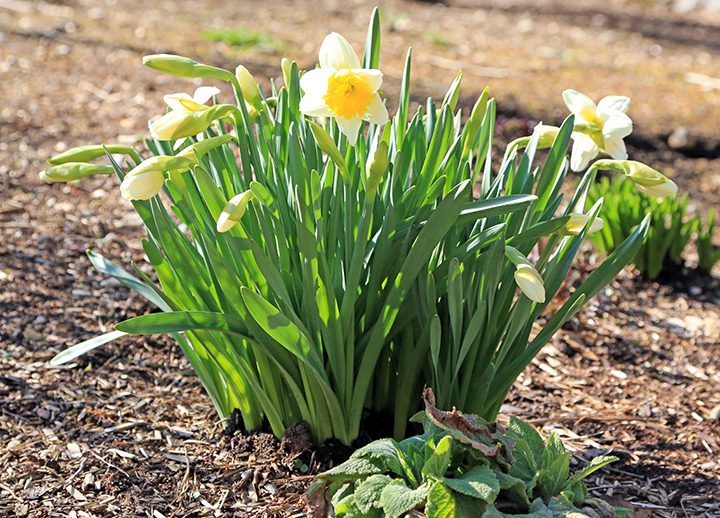
Daffodil bulbs can be planted in front of foundation shrubs, in between perennials, or in a dedicated cutting garden. Place them about 4″ under the soil surface, and space them 12″ apart in order to give each bulb enough space to multiply. Rabbits and deer don’t bother these flowers, and they usually return for many years in the garden. You can grow daffodils in full sun or part-shade. They are especially nice when placed between Hosta, since that perennial is later to break dormancy.

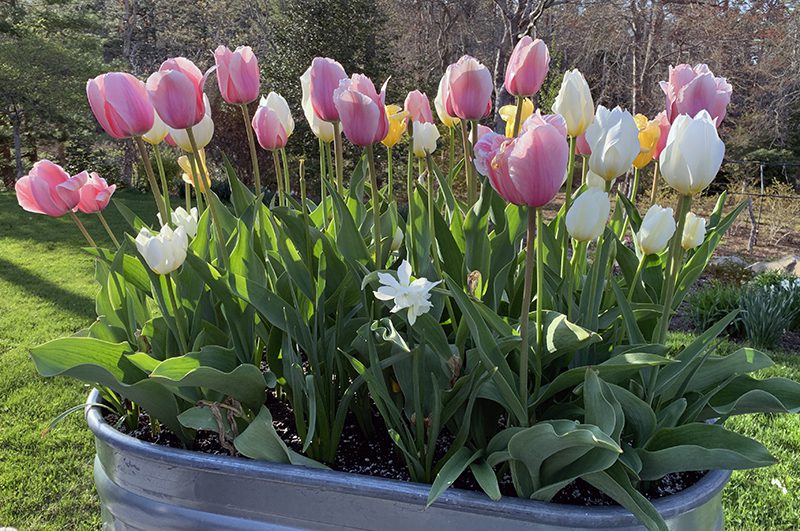
If Rabbits Share Your Yard, Plant Tulips in Pots
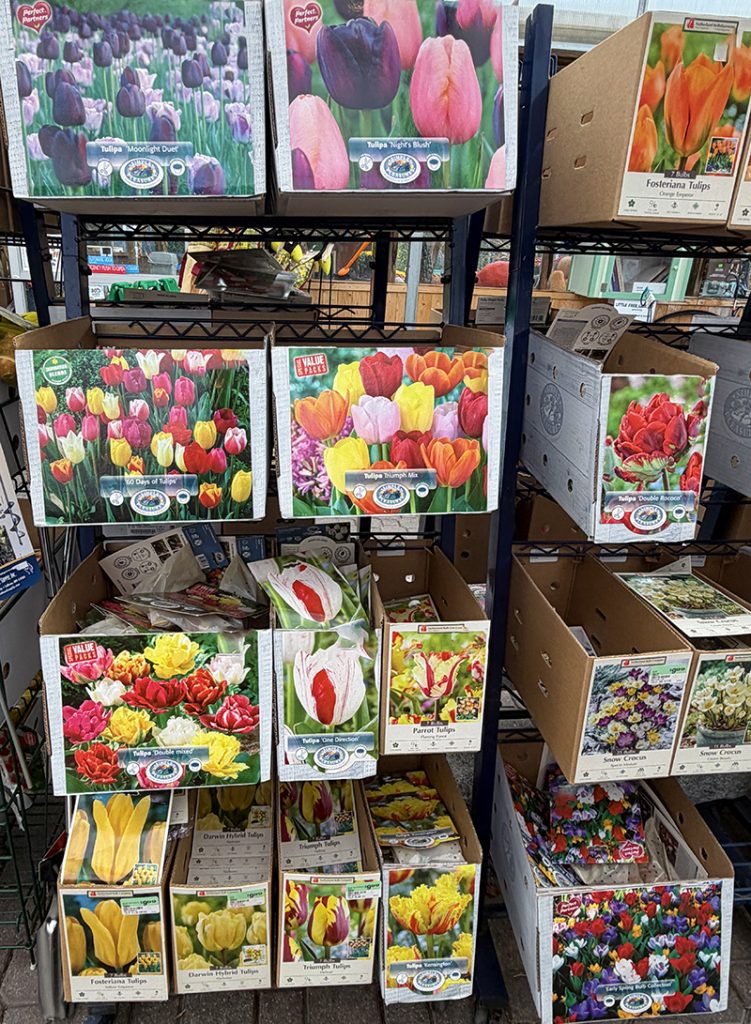
Tulips are perfect for cutting, but the bunnies like to snip them too! To avoid this frustration, plant them in a fenced, vegetable garden or in pots and boxes that are out of Thumper’s reach. Don’t hesitate to grow tulips as annuals. You’ll enjoy watching them come up and develop over several months, as well as having them for spring bouquets. Then you can compost them after flowering and replant those containers with summer annuals. Note: the key to success with tulips in boxes and pots is using fresh potting mix in the fall so that the drainage is excellent over the winter.
Tip for Success: After planting your bulbs, water them in well.
Critters are less likely to dig newly planted bulbs if the soil is settled by watering the area well. Even if rain is predicted, take a few minutes to spray the ground or set a sprinkler.
Tip for Success: Scatter Bulb-tone or Plant-tone around the area before planting.
Don’t just put fertilizer in the hole where a bulb is planted. Instead, scatter it over the surface of the soil in the area where bulbs will be placed before you begin planting. This is especially helpful for those Cape Cod gardens that have sandy soil.
2 Comments
Leave a Comment
Subscribe To Our Newsletter
Sign up for our weekly email about sales and events.
If you use these bulbs for cut flowers, do they all come back the next year? I’m always confused about whether you can cut the flowers without killing the bulb. Thanks!
Tulips are not as perennial as other bulbs, whether you cut them or not. So plant on putting new tulip bulbs in the ground every fall. But daffodils, allium and Camassia are very perennial, and will come back as long as you leave the foliage alone and just cut the flowers. The foliage will store the energy in the bulbs for next year and so that the plants will multiply.