
Fun Facts About Fertilizer
Fun Facts About Fertilizer
Now that you’ve got your hanging baskets on the porch, some veggies in the ground, new perennials, and maybe a freshly reseeded lawn – it’s time to think fertilizer! Standing in front of our fertilizer section can be overwhelming. It’s like trying to choose which butter to buy at the grocery store; you know you need butter, but which brand? Tub or stick? Salted or unsalted? Organic or generic?
Keeping in mind the following facts about fertilizer can help you decide which is best for you and your garden.
- The N-P-K ratio listed on all fertilizer tells you almost everything you need to know. That is: Nitrogen, Phosphorus, Potassium. For example, Espoma Plant Tone is 5-3-3 meaning it contains 5% Nitrogen, 3% Phosphorus, and 3% Potassium.
Nitrogen boosts green leafy growth,
Phosphorus promotes new root growth and flowering,
Potassium gives plants overall vigor.
- Fertilizers with any N-P-K numbers higher than 9 are usually at least partially synthetic. Synthetic ingredients are mostly all water soluble and give your plants a quick blast of nutrients, while organic ingredients are naturally slow-release (water insoluble) as they slowly break down.
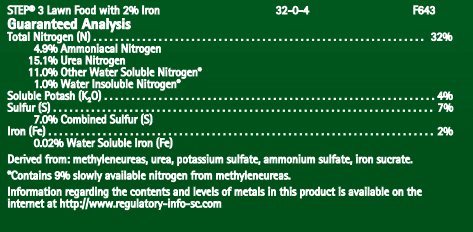

Scott’s Step 3 contains mostly water soluble Nitrogen (32-0-4), which is used immediately by the grass after watering, with much of it simply washing away. Note what this fertilizer is derived from.
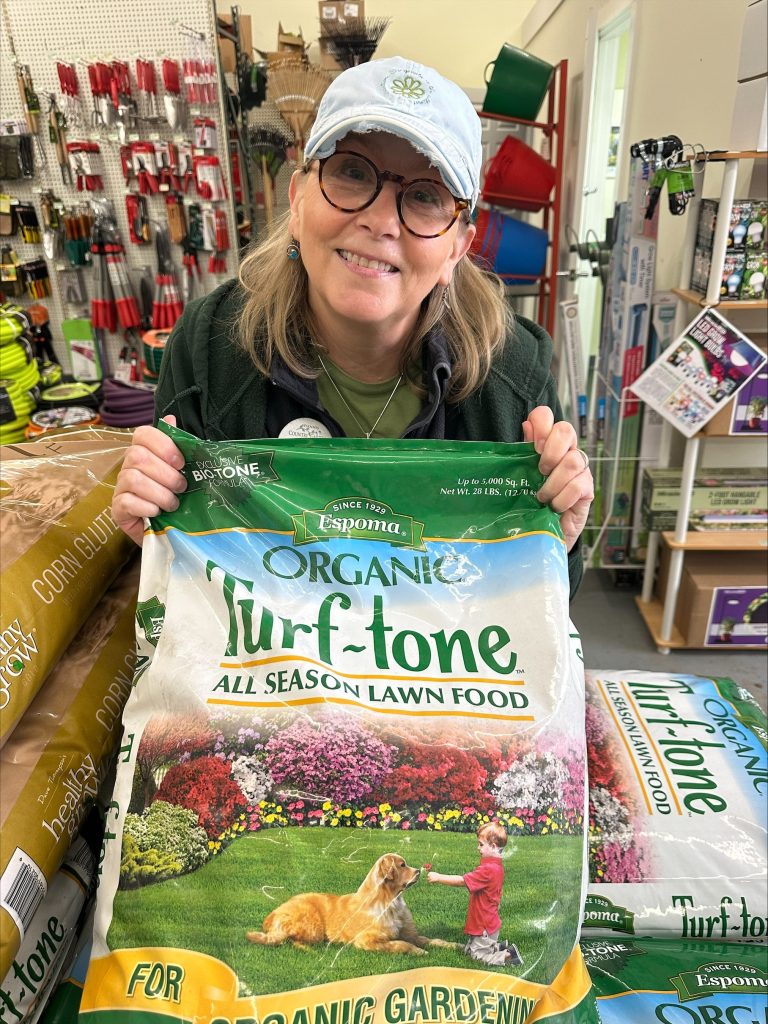
Espoma Turf-tone (9-0-1) is an organic fertilizer that stays in your grass longer and feeds slowly. Some organic components of this fertilizer happen to be water soluble and immediately available to your grass. The microbes included in this product help break down the fertilizer.
- Liquid fertilizers, organic or not, provide nutrients that are immediately available to your plants. This includes powders that you mix with water. These need to be applied regularly according to package instructions for optimal results.
- Organic fertilizers, liquid or granular, will not burn plants. Synthetic liquids or granules may burn plants if applied to a thirsty plant, or if not used according to application rates.
- Fertilizer will NOT help a sick plant. Know the difference between a nutrient deficiency, results of improper watering, and fungal diseases. When in doubt, bring us a sample or photo so we can help you make a diagnosis. Often times, using compost and a soil conditioner is effective for struggling plants in the ground.
Generally speaking, gardeners use fertilizers to get the most out of their plants in the shortest period of time. Feeding hanging baskets is essential for continuous blooms that last all season, and vegetable gardens for vigorous growth and production. Fertilizing perennials and flowering shrubs will yield more flowers and lush growth.
However, a lack of fertilizer will not necessarily lead to a decline in plant health as long as soil and water structure are properly maintained.
Our fertilizer recommendations:
Containers
Osmocote is a balanced, synthetic, and uniquely slow-release product. Supplement with a bloom-booster such as MaxSea. To go organic, mix in Flower-tone and supplement with Neptune’s Harvest Rose & Flower.

Vegetable Gardens
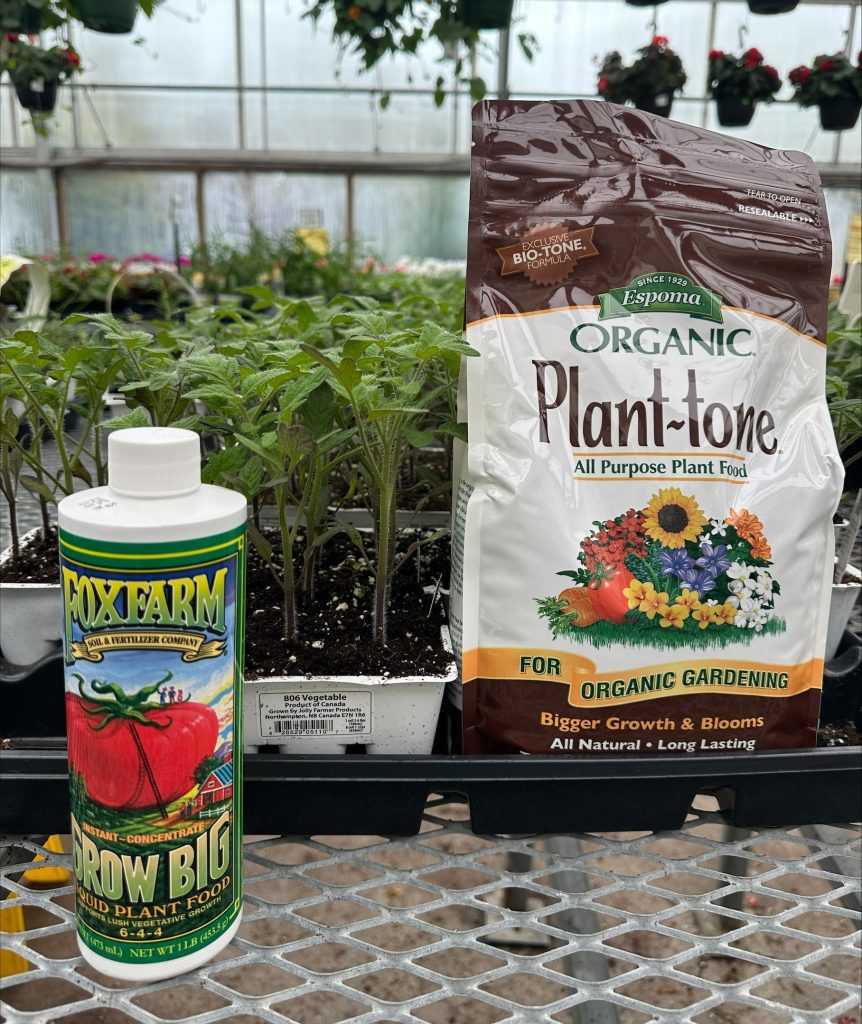
Supplement with Pro-Gro or organic Plant-tone throughout your beds to get growth started. Supplement for green leafy growth with FoxFarm Grow Big (or other nitrogen-rich liquid food) and switch to FoxFarm Tiger Bloom (or other phosphorus-rich liquid food) when plants begin to flower.
New Plantings
Bio-tone Starter
Evergreens & Hydrangeas
Holly-tone
Perennials, Roses, Flowering Shrubs
Rose-tone or Flower-tone
New Lawns
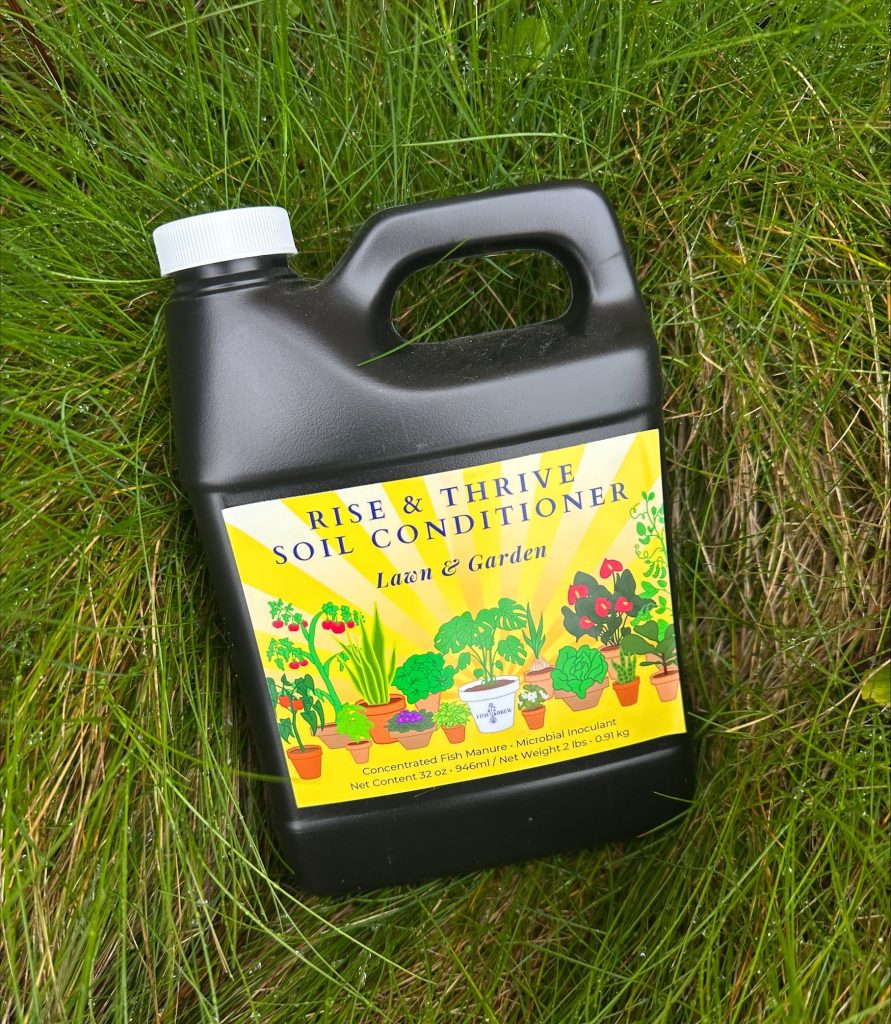
North Country Organics Pro Start, plus a soil conditioner such as Fish Brew’s Rise & Thrive
Established Lawns
Espoma Turf-tone
Support Local
Try Cape Cod Challenger Green granular fertilizers!
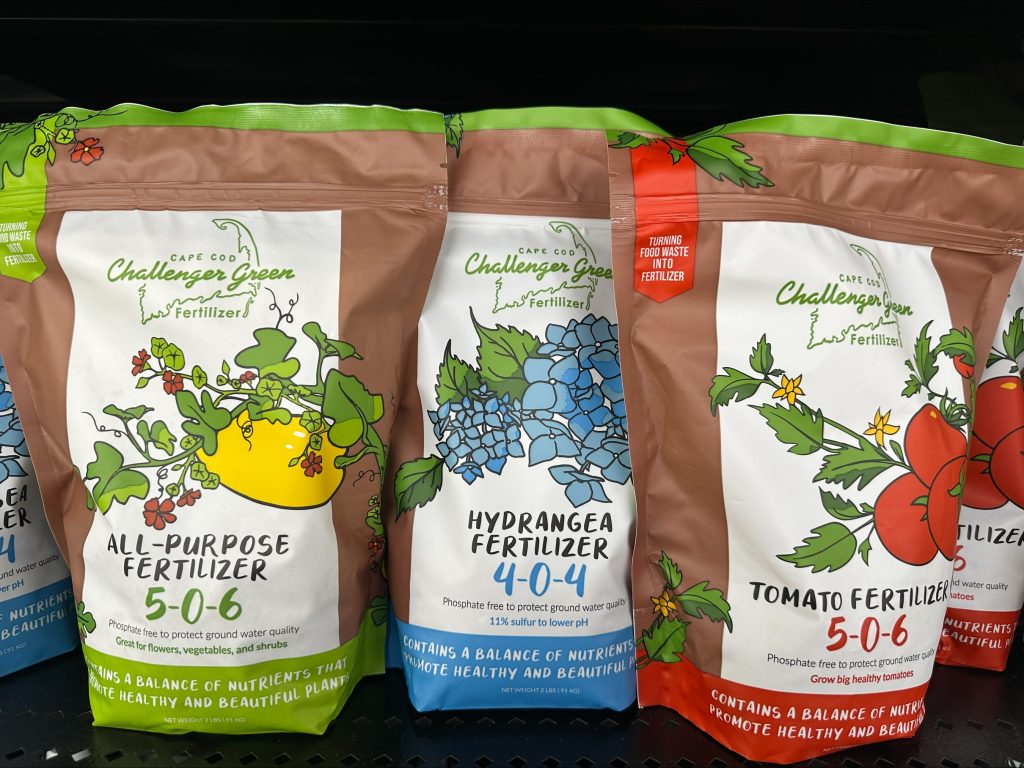
Remember, send in a soil sample to the UMass Extension office every couple years. Knowing what is already in your soil can save on fertilizer and take the guesswork out of choosing the right food for your gardens and lawn! Learn more: here.
Subscribe To Our Newsletter
Sign up for our weekly email about sales and events.