
Moths – What Role Do They Play in our Gardens?
Moths – What Role Do They Play in our Gardens?
Written by: Nancy Kolinski
Many people are familiar with butterflies, and can even name a few by sight, like the Monarch and Swallowtail. But can you identify a Moth?
Both Butterflies and Moths are part of the insect order Lepidoptera. This order has two Superfamilies: Butterflies and Skippers; and Moths. The vast majority of Lepidoptera species are Moths, as scientists estimate there are ten times more Moth species than Butterfly species!
Lepidoptera comes from the Greek words lepis meaning “scales,” and pteron meaning “wings” (scale-covered wings). The wings of Lepidoptera are transparent, but covered by millions of tiny, colored scales which overlap like roof shingles. They give Butterflies and Moths their beautiful, distinctive patterns and colors. All Lepidoptera have two sets of wings.
IDENTIFICATION
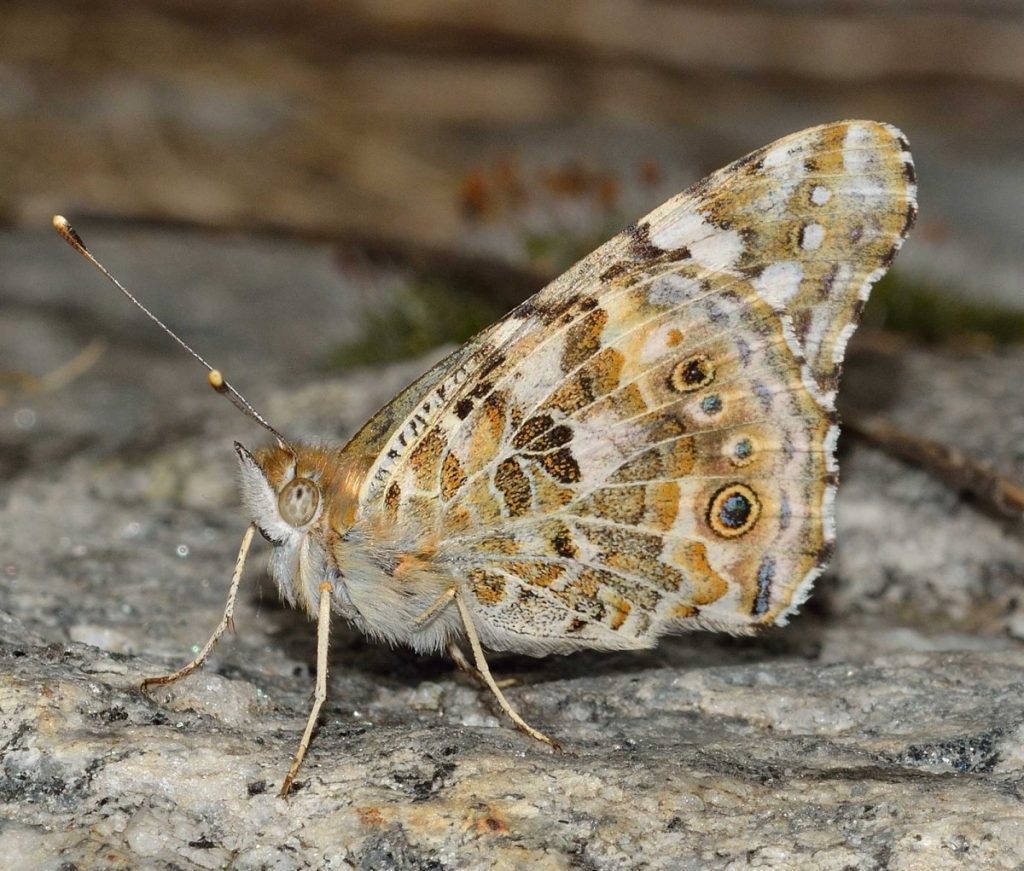
Although we think of Moths and Butterflies as distinct groups, the truth is a bit more complicated. In general, Butterflies fly during the day and Moths fly at night. Butterflies tend to have relatively small bodies and large wings, while Moths and Skippers tend to have relatively large bodies and small wings.
However, some Moths are more closely related to Butterflies than to other Moths, and even fly during the day. In North America, the easiest way to tell a Moth from a Butterfly is by the shape and style of their antennae: Butterflies have clubbed antennae in North America, and Moths have feathered or comb-like antennae.
HOST PLANTS AND POLLINATION
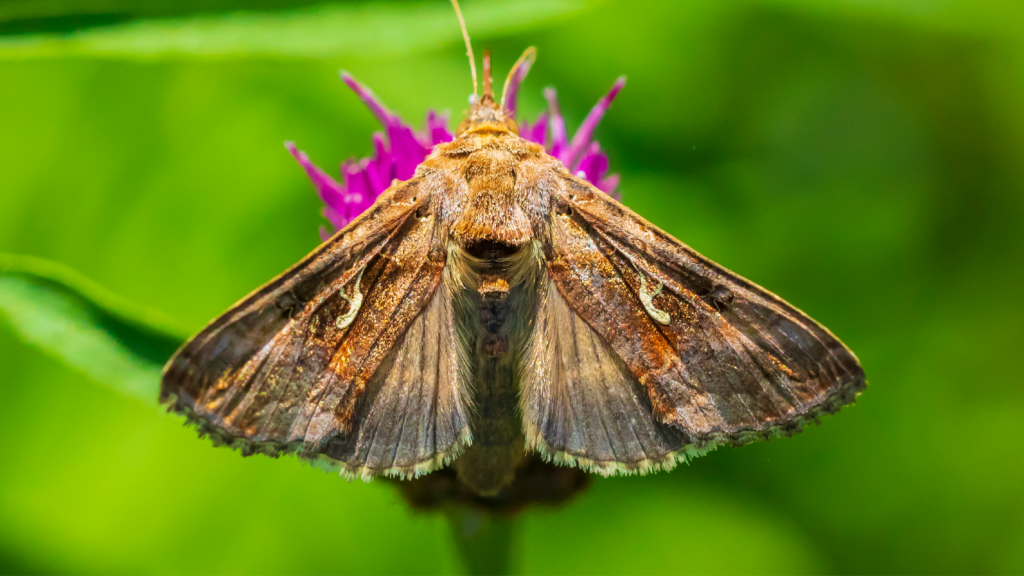
Moths contribute significantly to pollination, especially during evening and nighttime hours when many other pollinators are inactive.
Host Plants are very important to both Lepidoptera and to the ecosystem at large. A Host Plant is a plant on which a Lepidoptera species lays its Eggs, on which its Larvae feed, or both.
Lepidoptera specialize more than most other insects in what they eat, and the name of the insect can give a clue to the plant they use. For example, the Milkweed Tussock moth Adults pollinate Milkweed flowers, while the Caterpillars feed on Milkweed plants.
The positive side of this specialization is that some Lepidoptera can eat plants that are toxic to other insects; but the negative side is that they are limited in which plants they can use. For example, in the Superfamily of the Luna Moth, some species can use up to 60 plant species, but some can use only one species. If this one plant species is threatened or goes extinct, the same happens to the Moth. This is why conservation is often needed for just one plant.
Lepidoptera are not the most efficient pollinators, but their specialization is important to many plants. Moths particularly have evolved to pollinate white or light-colored flowers that do not close at night. For this reason, preventing light pollution is one of the most important ways we can help Moths.
Nocturnal pollinators use natural light from the stars and moon to navigate. This light-seeking behavior draws them to artificial light where they become confused and trapped: the artificial light leaves pollinators exposed, making them easier to spot and reducing their ability to see predators. Thus light pollution is a major source of population decline in nocturnal pollinators.
HOW TO HELP MOTHS
Many Lepidoptera species are in decline due to:
-Habitat / Host Plant loss
-Light Pollution
-Invasive species (which eat/suppress them and their Host Plants)
-Pesticide use
We can help them by:
-Providing / advocating for native habitat, including: planting host, shelter / overwintering and nectar plants
-Reducing Pesticide use and Light Pollution § Participating in citizen science / monitoring projects like https://massmoths.org/
PLANTING FOR MOTHS
Planting Moth-friendly plant species supports nocturnal pollinators, but helps daytime pollinators like Bees and Butterflies, too.
How to Create a Moth-Friendly Garden:
-Plant Local Ecotype Native plants, like those found in HCG’s Native Plant section
-Avoid focusing on one Lifecycle: Plant both Adult pollinating and Larval Host Plants
-Provide Shelter: Include shrubs and trees where Moths can rest during the day
-“Leave the Leaves”: Moths need undisturbed areas to lay eggs and pupate
-Avoid Pesticides: Chemicals can harm Moths: opt for organic pest control methods when necessary
-Light Matters: Limit artificial lights that can disorient Moths
Characteristics of Moth-Pollinated Flowers
Moth-pollinated flowers have evolved specific traits to attract nocturnal visitors:
-Color: Usually white, pale, or light-colored to reflect moonlight and stand out at night, ie Lobelia cardinalis f albiflora ‘White Cardinal’
-Fragrance: Emit strong, sweet scents after dusk to guide Moths to nectar
-Shape: Often tubular or trumpet-like, with deep nectar inaccessible to most other insects, suited to Moths’ long proboscises
-Blooming Time: Many open at twilight or during the night and close by morning, ensuring availability when Moths are active
-Landing Platforms: Some flowers provide clusters or platforms, while others rely on hovering Moths for pollination
NEW ENGLAND NATIVE PLANTS (and a few annuals) WHICH BENEFIT MOTHS
Trees:
-White or Red Oaks (Quercus alba or Q rubra): Oaks provide food to over 550 species of Lepidoptera
-River birch (Betula nigra): This birch hosts around 320 species of Lepidoptera, including the Luna moth
Shrubs:
-Witch-hazel (Hamamelis): provides food for larvae as well as nectar for over 60 species of Moths
-Button bush (Cephalanthus occidentalis): white blooms are pollinated by Moths, including Sphinx moths
-Highbush blueberry (Vaccinium corymbosum): hosts 223 species of Lepidoptera, including Silk moths
Grasses:
-Little bluestem (Schizachyrium scoparium): around 50 Moth species feed on and house in this grass
Vines:
-Native Honeysuckle vine (Lonicera sempervirens): Sphynx or Hawk moths
Perennials:
-Spotted Bee balm (Monarda punctata): Grey Marvel
-Wild Bergamot (Monarda fistulosa): Hermit Sphinx moth and Orange Mint moth
-Columbine (Aquilegia canadensis): Red-edged Acleris
-Cutleaf coneflower (Rudbeckia laciniata): Grey-blotched Epiblema, Coneflower borer moth
-Flat-topped aster (Doellingeria umbellata): Aster Borer moth
-Rose mallow (Hibiscus moscheutos): supports 28 species of Lepidoptera
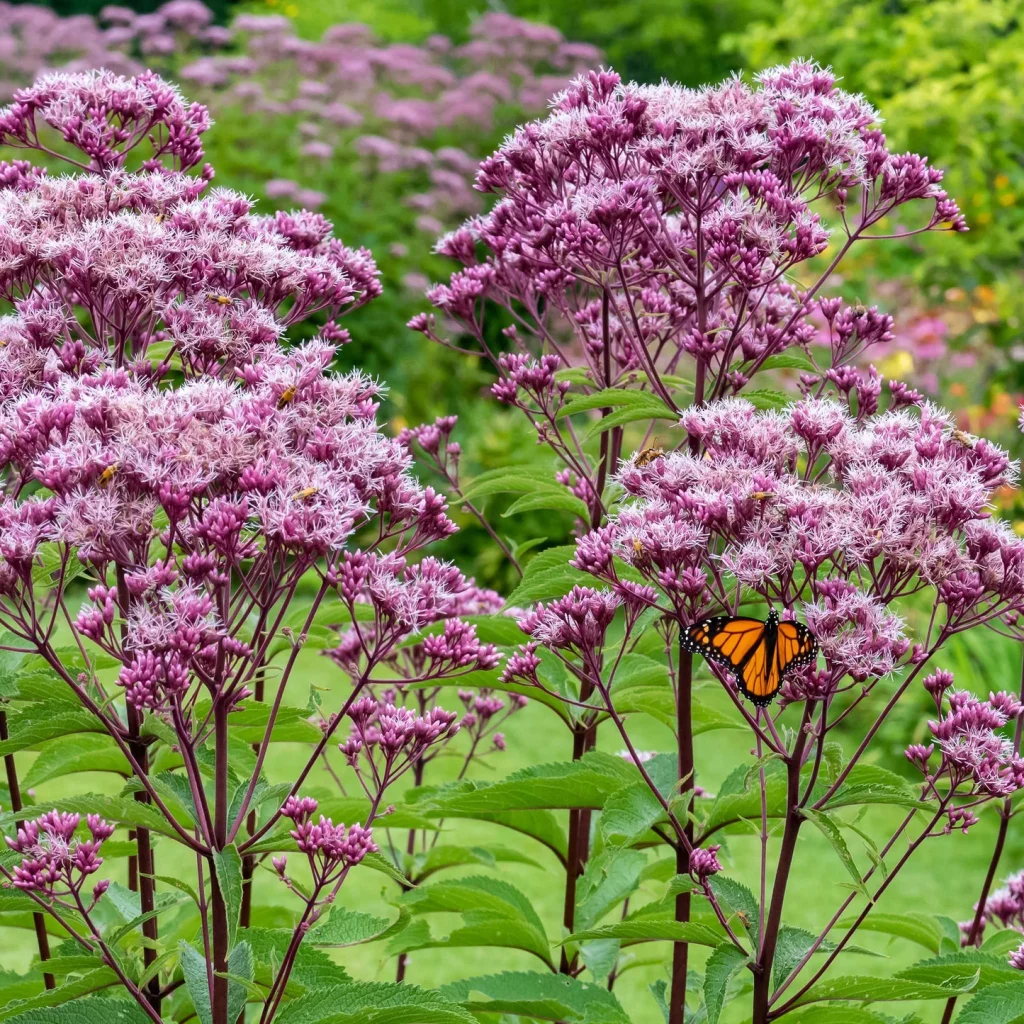
-Joe Pye Weed (Eutrochium): host plant for 40+ species of Lepidoptera, including the Ruby Tiger moth
-NE Blazing star (Liatris scariosa): Blazing Star Clearwing
-NY Ironweed (Vernonia novaeboracensis): Ironweed clearwing moth, other Ironweed moths
-Broad-leaved Mountain mint (Pycnanthemum muticum): Wavy-lined Emerald moth larvae
-Sneezeweed (Helenium autumnale): Carmenta moth, Aster Borer moth
-Yarrow (Achillea millefolium): Darker-spotted Straw moth
Annuals / Tender plants:
These plants are attractive to Moths due to their Color, Fragrance and/or Tube-shaped flowers.
-Four O’clocks (Mirabilis jalapa)
-Gardenia

-Jasmine
-Moonflower (Ipomoea alba)
-Morning glory (Ipomoea)
-Nicotiana alata
Sources:
-Mass Moths (massmoths.org)
-Pollinator Partnership (pollinator.org)
-“Lepidoptera”; presentation to Pollinator Partnership PSC 2026, Module 3 class; Indiana Nature, LLC
-“Plants for Attracting Moths, Our Beautiful Unsung Pollinators”; Dana Owen; Painters Greenhouse; paintersgreenhouse.com
Subscribe To Our Newsletter
Sign up for our weekly email about sales and events.