
Tending To Your Indoor Citrus in Winter
Tending To Your Indoor Citrus in Winter
If you’re growing lemons, limes or other citrus plants you may see that they need attention at this time of year. February is when you’re likely to see signs of citrus mites or scale. Your plants may also be flowering or developing fruit. Here are 6 tips for success when growing these plants indoors on Cape Cod.
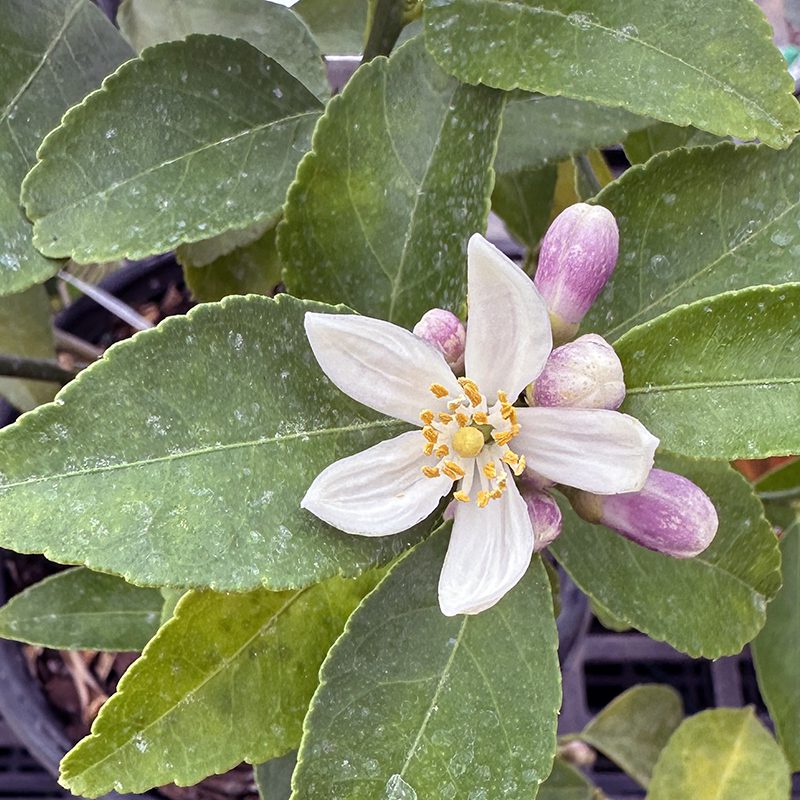
You need to pollinate the flowers.
Since there aren’t usually pollinators in your house, you will need to “be the bee” when these plants are in bloom. Watch opening flowers daily, and when you can see the pollen-laden stamens, you’ll need to gently transfer that to the pistil in the center of the bloom. You can use a Q-tip or a small, soft paintbrush such as those made for watercolors. Move that gently from flower to flower on your plant.
Fertilize Citrus Plants Monthly
Unlike many other indoor plants, citrus benefit from fertilizing regularly throughout the year. Use an organic fertilizer that has been formulated for these plants, and apply at least four times a year.

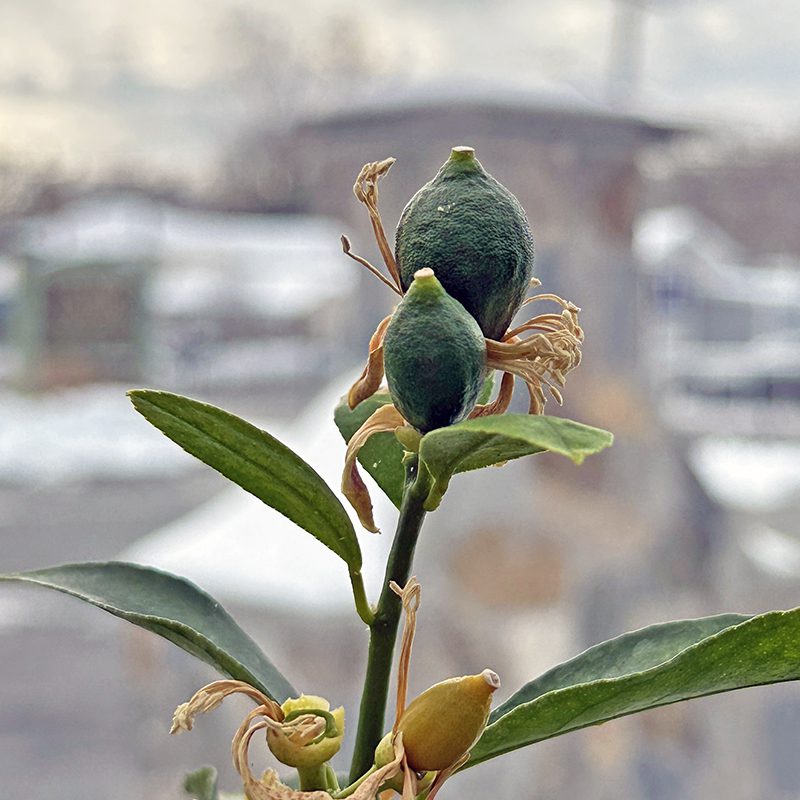
Sometimes There is Fruit Drop
As the flowers that are pollinated develop fruit, sometimes there are too many for the plant to support. In such cases the plant may drop some of the small lemons or limes. This is a natural occurrence that happens on many types of fruit trees. But other shedding of young fruit may happen if the watering is inconsistent, or the temperatures where the citrus plant is growing fluctuate from warm to cold. Try to keep the soil evenly moist but not swampy wet, and don’t let your plants dry out between waterings.
Watch for Signs of Insects and Mites
The most common problem seen on indoor citrus in the winter is citrus mites. Signs that you might have mites are leaves that begin looking stippled and yellow, and the underside of the foliage looking dusty or dirty. If you suspect mites, spray with a product that’s formulated for this pest, making sure to coat the underside of the leaves. Mites are not insects, so some insecticides aren’t effective for these pests.


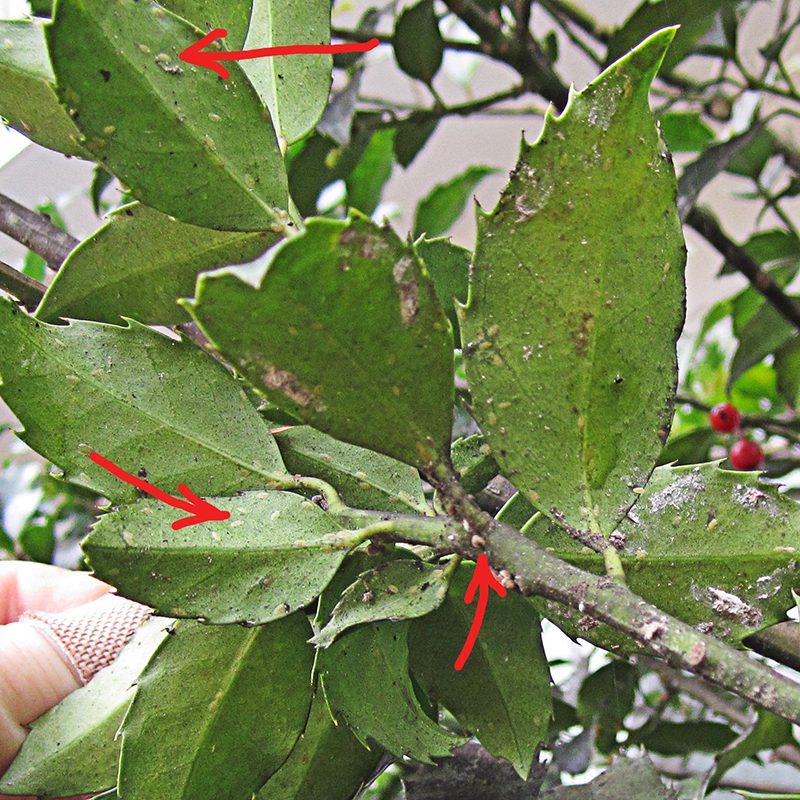
If Your Plant, Table or Floor Feels Sticky, it Might Be Scale
Citrus plants can be prone to scale in the winter. The tell-tale sign of scale is that the plant or area underneath it feels sticky. That’s the plant juice residue that the scale excretes; it’s high in sugar, hence the stickiness. Gently scrape any scale you see on the stems or veins of the leaves off with a fingernail or a terry washcloth dipped in insecticidal soap. If you can move the plant into a shower stall or outside on a day that’s above 50°, spray the entire plant, including underside of the leaves and stems, with All Seasons Oil or insecticidal soap. (If you do this in a shower or tub, immediately clean the area so that it’s not slippery the next time someone showers or bathes there.)
Put Citrus Plants Outside in May
Don’t be too quick to put your citrus back outdoors in the spring. You will want to watch the weather forecast and wait until the nighttime temperatures are reliably above 50° – on Cape Cod this usually happens at the end of May.
Subscribe To Our Newsletter
Sign up for our weekly email about sales and events.