
Welcoming Your Houseplants Back Home
Welcoming Your Houseplants Back Home
Houseplant owners are sometimes tricked into believing that their tropical plants go through a rest or dormancy period when brought indoors for the winter. Growth slows or halts, and they don’t need water or fertilizer as often. Some tropicals such as caladium, canna lily, and alocasia (plants with tubers) do naturally take a rest due to cooler temperatures and shorter days, while others are programmed to defoliate in response to environmental shifts from wet to dry season. Most tropical plants, however, can still thrive indoors in the cooler months if set up for success!
The perceived “dormancy” of your houseplants can almost always be tied to diminished light levels once brought back indoors. Even on a cloudy day on your back porch, the light levels are much higher than what comes through the windows in a brightly lit room indoors. Sunlight is a plant’s main food source, and without enough of it, your plant won’t be able to absorb water effectively or nutrients from fertilizers. If you’re unable to rearrange your house to set your plants by an east or (ideally) south facing window, grow lights are a must! Sufficient light will mitigate root rot, fungus issues, nutrient deficiencies, fungus gnats, and leggy/poor growth. Set your timer for 8-12 hours per day, depending on the needs of the specific plant. Water your plants when they’re thirsty instead of on a regimented schedule.

A second factor that negatively impacts houseplants is a lack of air flow. In the winter, our windows are closed and our air is dry. This is the sort of environment that allows powdery mildew to move in, crispy foliage, defoliation, and sometimes spider mites. Try turning on your ceiling fan or adding a standing fan to your plant space. Many houseplant lovers also add a humidifier to counteract the effects of home heating.
Will you be playing the plant shuffle game as Cape Cod transitions into the cooler months? Here are some frequently asked questions about the process:
Q: When should I bring my plants inside?
A: Give them as much time out there as possible! Pay attention to those nighttime temperatures. As long as we are staying in the 50s at night, you can leave your tropical plants outside.
Q: How should I treat for bugs?
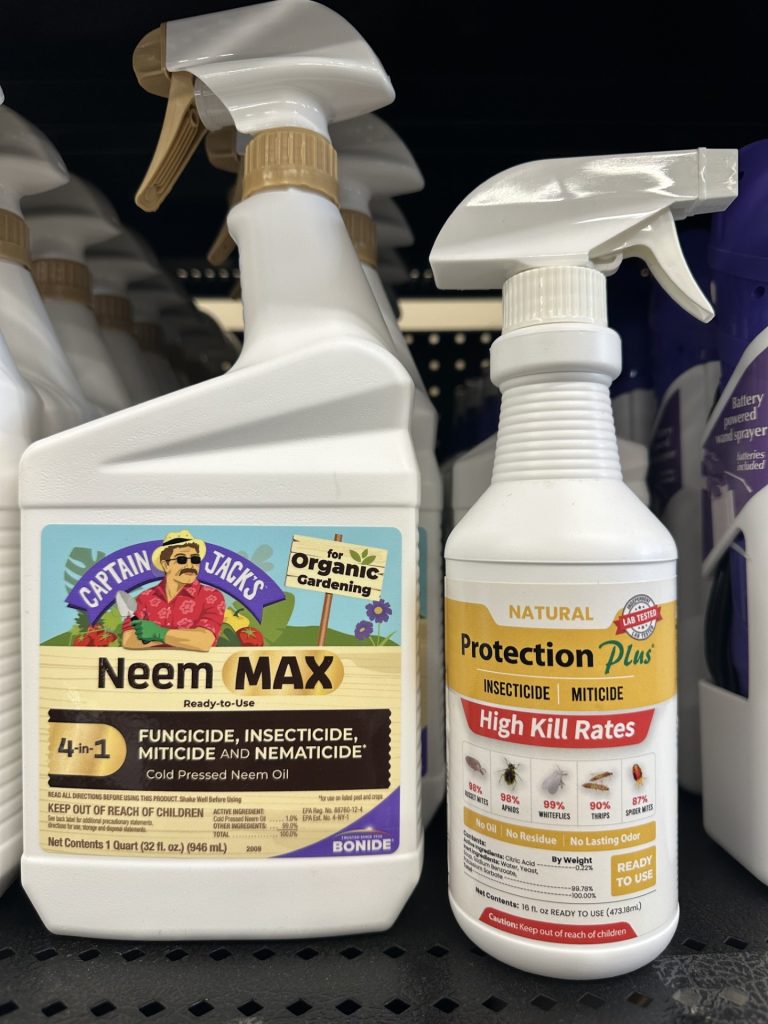
A: Upon first inspection, you may not notice any insects on your plants outdoors, but sometime over the winter they seem to materialize: aphids on the undersides of leaves, or displaced earwigs crawling around the baseboards. Best practice is to hose off your plants’ foliage first. Turn your hose nozzle to “stream” and thoroughly blast the leaves and stems to dislodge any hitchhikers. Once dry, spray your ornamental plants with a systemic insecticide. Spray your lemon or lime trees with an organic insecticide such as Neem Max or Protection Plus.
To treat your soil for earwigs and other crawlers, add Spinosad or Systemic concentrate to your watering can for the first few weeks that your plants are indoors.
Note: Systemic insecticides are not for use on edible plants. Systemics stay inside the plant for up to 10 weeks, and can make a plant poisonous for pets as well.

Q: How often should I treat my plants for pests?
A: If you are an experienced houseplant collector, you have likely become familiar with which plants are most prone to insects in the winter (oh boy, those hibiscus!). Treat plants at least bi-weekly, and inspect all of your plants as often as possible with a flashlight and/or magnifying glass. Switching up your insecticide every once in a while is helpful too. Consider dusting foliage periodically by either bringing your plant to the shower for a rinse, or wiping it down with a microfiber cloth or damp paper towel. If pests become apparent, which may not be until January, plants should be quarantined and treated once or twice weekly as the problem persists.
Q: I always get fungus gnats after I bring my plants in. How can I avoid this?
A: Fungus gnats are definitely annoying, and in large numbers will eat the fine feeder roots of your plants, leading to potential decline. Watering in Spinosad or Mosquito Bits (let steep in water) will kill existing larvae before and after bringing your plants indoors. Fungus gnats thrive in damp soil, so try to make sure your plant’s soil is dry before transporting indoors.
Q: Is this a good time to repot my plants?
A: If your plant is root-bound, you can always repot into something slightly larger with fresh soil. However, an unnecessary repot can lead to extra stress on the plant as they are adjusting to indoor conditions. Best practice is to wait until Spring before you bring your plants back outdoors.
Q: How often should I fertilize?
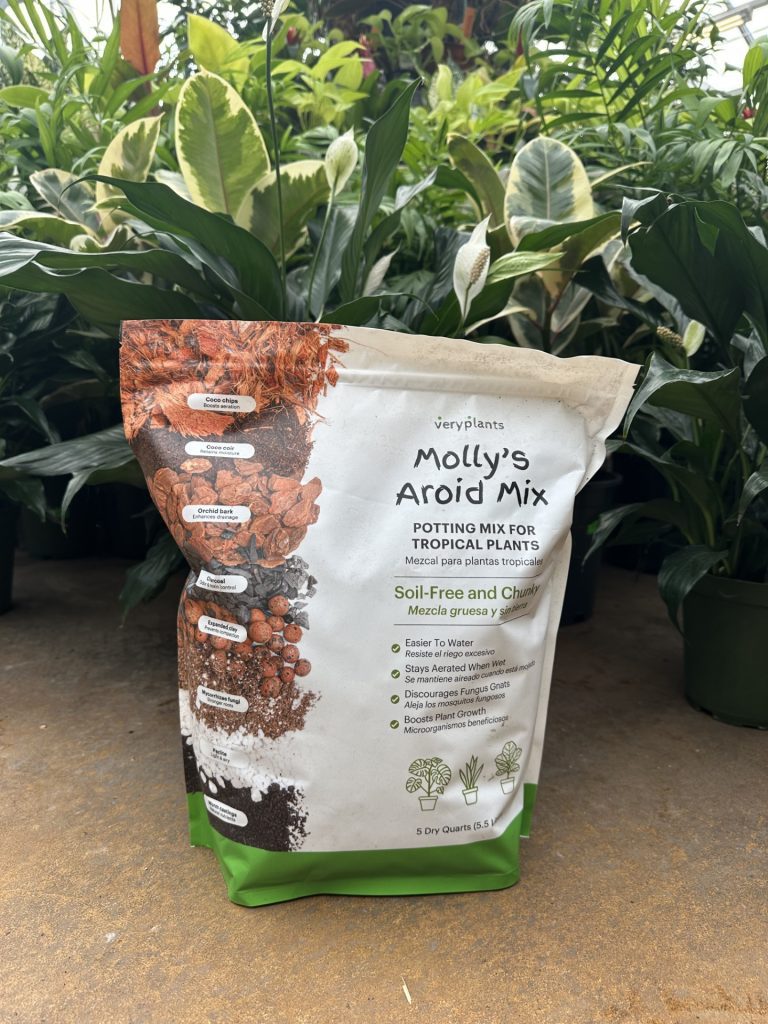
A: We often hear “fertilize plants when actively growing“. If your plants are getting sufficient light and are rewarding you with new growth, fertilize weekly but at half strength if using a synthetic fertilizer. Remember that fertilizer is not a medicine for a struggling plant, but rather something a plant takes advantage of when it is healthy.
Q: I overestimated my indoor space and now I don’t have enough room for all these plants – help!
A: Do not be ashamed to throw some plants into the compost pile, we won’t judge you! Decide which plants are really worth your time to keep indoors. Sometimes nursing homes or schools will accept plant donations. Divide and gift any plants that have multiplied and downsize pots, or take cuttings. Don’t be afraid to give some tropicals a hard prune, especially vines like mandavilla and passionflower. Take advantage of vertical space in your house by adding plant stands, shelves, and hanging pots (think plants instead of curtains!).

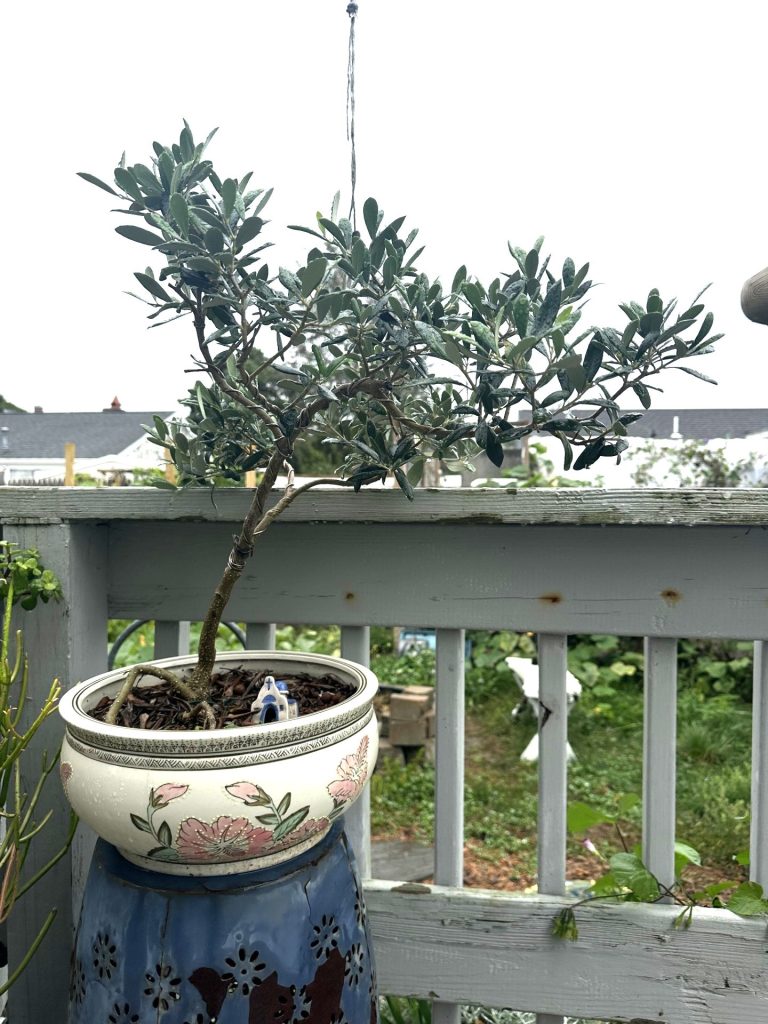
I only bring plants outside that love full sun, due to lack of shade on my deck. Among them are a coffee plant which has doubled in size since Spring, an olive tree bonsai in training, pineapple plant, meyer lemon tree, tropical hibiscus, and various cacti. Indoors, they sit under an intense grow light that hangs from the ceiling and go through rigorous pest treatments. The hibiscus and lemon tree are most prone to aphids and scale in the winter.
Subscribe To Our Newsletter
Sign up for our weekly email about sales and events.