
What Is a Cultivar?
What Is a Cultivar?
By: Nancy Kolinski
Have you ever looked at a plant tag and wondered what all the different names mean? Take, for example, Echinacea purpurea ‘Magnus’, a Cultivar of Purple coneflower…

Echinacea is the Genus. It is always in Latin, capitalized and in Italics. A Genus is a group of plants that have common characteristics. Echinacea are a Genus of Coneflower with similar characteristics or DNA.
purpurea is the Specific Epithet. This is a Latin or Latinized word that describes the specific Species. It is also always in Italics. In this case, it means purple. So, Purple coneflower.
‘Magnus’ is the Cultivar. Cultivar is short for Cultivated Variety. The name, like ‘Magnus’, is always in single quotation marks. A Cultivar, in general, is a plant that has been selected and propagated by humans. Cultivar is a horticultural and agricultural designation, not a taxonomic rank (labels for things found in Nature) like Genus, Species or Variety.
Cultivar: Genetic variation, curated
Just like people, every plant has slightly different DNA. One Black-eyed Susan (Rudbeckia) might have taller stems; another might have darker petals; yet another might handle drought better. When humans notice those differences – whether they happened naturally or through deliberate breeding – and propagate those plants to keep those features, those plants become Cultivars.
So unlike plants that evolve their characteristics in the wild, a Cultivar exists because someone deliberately chose it for a particular color, flavor, size, disease resistance, or other quality worth preserving.
How Cultivars Differ from Botanical Varieties
Both Cultivar and Variety represent a deviation from the Species standard.
A botanical Variety develops naturally within a Species. A population of Echinacea might produce individuals with white petals instead of purple, and if that trait breeds true from seed, generation after generation in the wild, botanists classify it as a Variety. The abbreviation var. usually follows the Latin name; this is followed by the Variety’s name in lower case italics. One example is Cercis canadensis var. alba, a white-flowered Redbud tree.
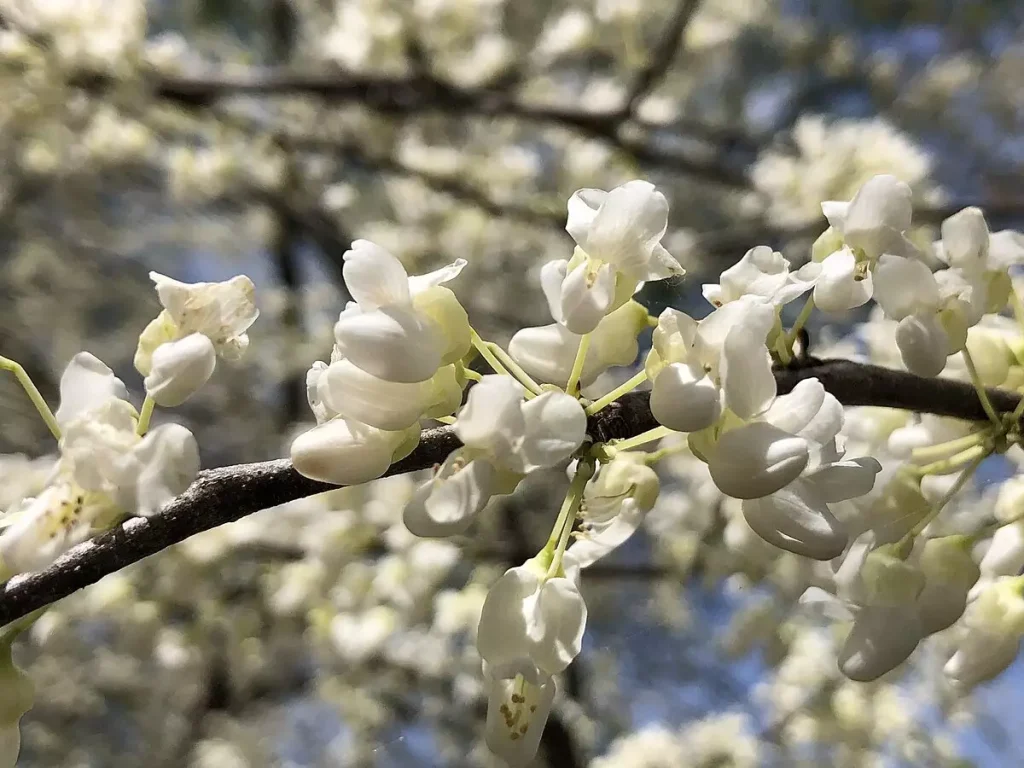
A Cultivar, as noted above, is the result of human intervention. Someone noticed a plant with unusual or valuable characteristics, or deliberately crossed two plants to combine traits, and then worked to keep those characteristics stable.
Where Cultivars Come From
Cultivars can be created on purpose or found naturally, via a few different paths:
The most straightforward path is Selection: a grower notices one plant in a field or garden that performs better, tastes different, or looks more striking than the rest, and begins propagating it. Many Heirloom Tomato Cultivars started this way, with farmers saving material from their best-performing plants year after year.
Some Cultivars originate from spontaneous Mutations, sometimes called “Sports.” A shrub might throw out a single shoot with variegated leaves; if a grower catches this mutation and propagates it, a new Cultivar is born. Breeders can also induce mutations deliberately using chemicals or radiation to generate genetic variation they can then screen for useful traits.
Hybridization is another common route. Breeders deliberately cross-pollinate two parent plants to combine desirable traits from each. The offspring are evaluated, and the best performers are selected as new Cultivars. This technique drives much of modern agriculture and horticulture, from disease-resistant Wheat to longer-lasting Roses.
Why Most Cultivars Need Cloning
The key to a Cultivar is that humans chose it and are ensuring its survival. Without our purposeful propagation, that variegated shrub would be just one standout in a field of green. Its trait might be passed on to only a few offspring, or it might disappear entirely in a generation or two.
Most Cultivars cannot be grown from seed the way natural Varieties can. When you plant a seed from a ‘Honeycrisp’ Apple, you won’t get another ‘Honeycrisp’ tree. You’ll get something unpredictable – because the unstable genetics that created the delicious Apple – the one that made ‘Honeycrisp’ worth naming in the first place – might mutate into something else – maybe something tasteless, or poisonous! This is true for the vast majority of Cultivars: their value lies in a specific genetic package.
To keep a Cultivar identical from one generation to the next, growers use vegetative propagation, essentially cloning the plant. Cuttings, grafting, division, and tissue culture all produce new plants that are genetic copies of the original.
What is a Native Cultivar, or Nativar?
A Nativar is a Cultivar of a plant Native to a certain area. One common example is Heuchera (Alumroot). Heuchera americana is the wild Native Species with green leaves. But walk into any garden center and you’ll see dozens of Heuchera Cultivars in colors ranging from deep purple to lime green to peachy orange, all bred from that original Native plant.
Is a Cultivar of a Native plant considered Native?
It’s complicated. Here’s what to consider: Native plants are the best food for wildlife.
Cultivars can benefit humans, but Native plants are more beneficial for bugs, birds, and animals. Some Cultivars don’t have the same nutritional value that true Native plants provide. Sometimes bugs and Pollinators will ignore a Nativar out of confusion because it looks so different from their true Native-plant relatives. And, as discussed further below, some Cultivar flowers have no pollen at all.
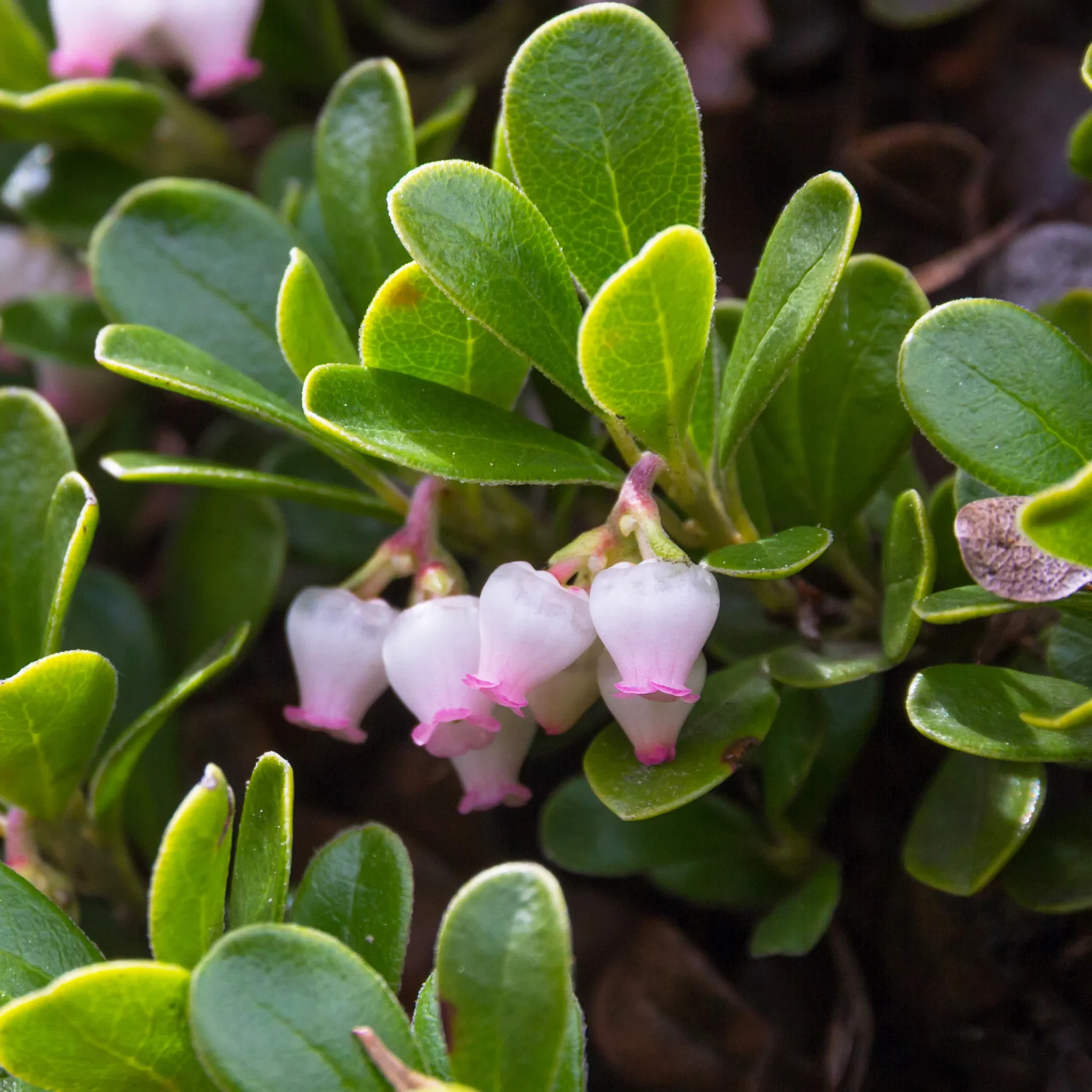
The Native Perennial section at HCG contains only Species (New England) Native plants. We also carry, in the wider display area, some Nativars, especially when a desired Native Species cannot be found in the trade, ie, Arctostaphylos uva-ursi ‘Massachusetts’ (Bearberry).
What about plants called Heirlooms?
All the Heirloom Tomatoes we see today are Cultivars. They come from previous generations of growers using Selection to create Cultivars.
Any Cultivar developed before 1951 is called an Heirloom. Before 1951, growers selected their favorite seeds and saved them for planting the next year. There were thousands of these Cultivars, passed down within families or grown in specific regions.
In 1951, technology shifted. Plant breeders introduced the first hybrid vegetable Cultivars made in labs, and many of those old Heirloom varieties disappeared. The term Heirloom tells you the Cultivarcame from old-fashioned seed saving rather than modern breeding methods.
Legal Protection for New Cultivars
Developing a new Cultivar can take years or decades of breeding and testing, so legal frameworks exist to protect that investment. In the United States, the Plant Variety Protection Act allows breeders to secure exclusive rights to a new Cultivar if it meets three criteria:
- Distinct: The Cultivar must be measurably different from every known existing variety at the time of application.
- Uniform: Individual plants of the Cultivar must look and perform consistently enough that any variation is predictable and commercially acceptable.
- Stable: The Cultivar must remain true to its description over successive generations, so future propagated plants match the original.
These requirements ensure that a protected Cultivar is a genuinely reproducible product, not just a one-time Sport. Some Cultivars are also patented, which carries even stronger restrictions: propagating a patented Cultivar without permission, even for personal use, can be a legal violation.
Everyday Examples
Cultivars are everywhere, even if the term isn’t familiar. Every named Apple variety you see at the grocery store – Gala’, ‘Fuji’ or ‘Granny Smith’ – is a Cultivar maintained through grafting. The same goes for most Roses, Blueberries, and Grapes. In ornamental gardening, Cultivars account for the vast majority of plants sold at nurseries: that particular shade of Purple coneflower or the compact shrub you picked out is almost certainly a named Cultivar, selected for traits that wouldn’t reliably reproduce from seed.
Since the advent of genetic engineering in the 1970s, very few wild plants are used as commercial food sources. Trees used in forestry are also special selections grown for their enhanced quality and yield of timber.
Are Cultivars bad?
As mentioned above, sometimes Cultivar flowers have no pollen. Many have been bred to have double blooms or massive, showy flowers, and those extra petals often developed from stamens (the partof the flower that makes pollen). When those stamens disappear there is less pollen, or often none.
A Smooth hydrangea Nativar, Hydrangea arborescens ‘Annabelle’, is a good example. The large, white mophead blooms are sterile, chosen for size and showiness at the expense of what makes them useful to Pollinators. Some growers are trying to develop new Cultivars which don’t lose their ability to feed Pollinators, ie, Hydrangea arborescens ‘Haas’ Halo’.
Cultivars can also create problems in the wild. When Cultivars do produce seeds, escape gardens, and spread into wild areas, they can interfere with the genetics of Native plant populations. This can make those wild populations more vulnerable to disease or other threats, as well as decreased resources for the insects and animals that depend on them.
What are the benefits of Cultivars?
Cultivars have benefits, too. Non-sterile Nativars are generally better than planting non-Native Species. Growers have developed sterile Cultivars of popular, non-Native plants that can be invasive, ie Hibiscus syriacus ‘Minerva’ (Rose of Sharon).
Cultivars give us options. Some Cultivars are bred for better heat tolerance or disease resistance, which helps with the challenges of climate change. Cultivars also give us endless variety of color, shape, size and flavor for our gardens. Adding both Native plants and Cultivars to your landscape is good for wildlife, and for the humans who enjoy Nature as well.
SOURCES
What Is a Cultivar and How Is It Different From a Variety? – ScienceInsights
What is a Cultivar? Cultivar vs. Native vs. Nativar – theplantNative.com
What Is a Cultivar? Plant Cultivars vs. Varieties – thespruce.com
“The Differences Between Natives, Cultivars and Varieties” – growitbuildit.com
Subscribe To Our Newsletter
Sign up for our weekly email about sales and events.