
Successful Planting Into July
Successful Planting Into July
Adding Foliage and Flower Power to Your Landscape…plus the answers to Joanne and Pricilla’s Happy Hour questions.

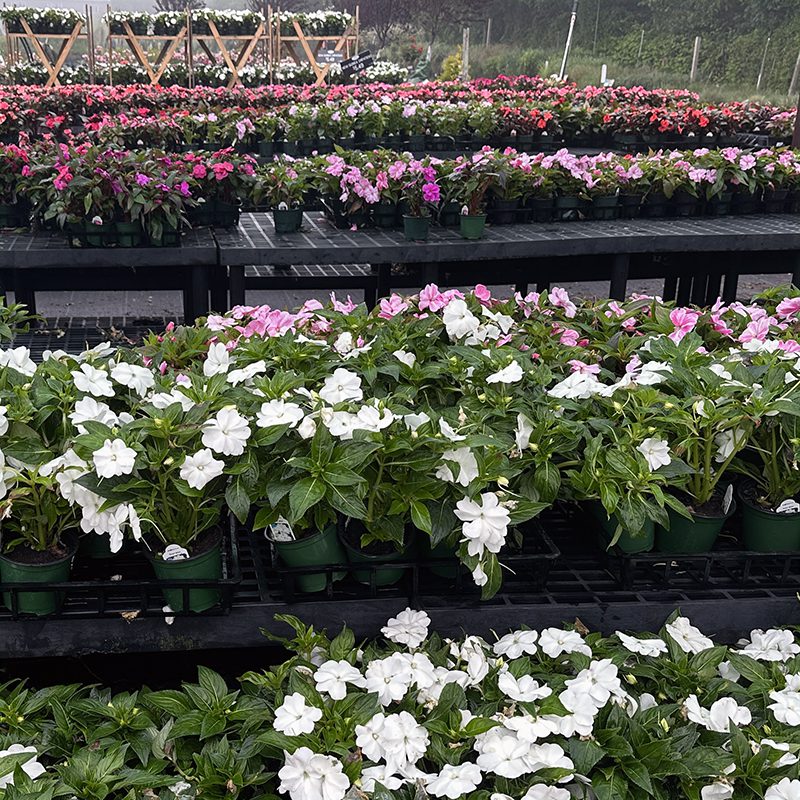
I don’t know about you, but I’m still putting plants in the ground. We’re lucky on Cape Cod that we can plant all through the summer, and there’s no cut-off date for filling gardens and containers with foliage and flower power. Here are some tips for success.
Containers will fill out quickly if you use new potting mix and a blend of two fertilizers.
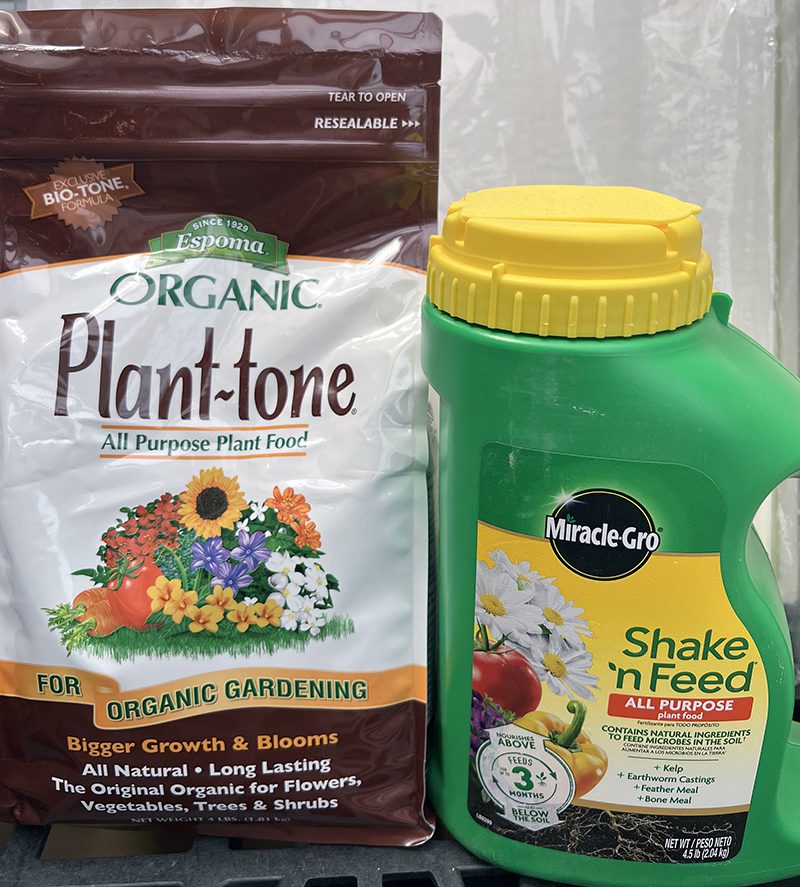
Yes, it’s tempting to stick some annuals in the soil that remains in your whisky barrels, pots or window boxes from last year. But your plants will grow better and faster if you take the time to empty the old into the compost pile and fill your containers with fresh potting mix. Before planting, mix together equal parts of a time-release fertilizer such as Shake n’ Feed and an organic granular such as Plant-tone. By combining these two your plants will be fed for the rest of the summer and are likely to double in size by mid-July.
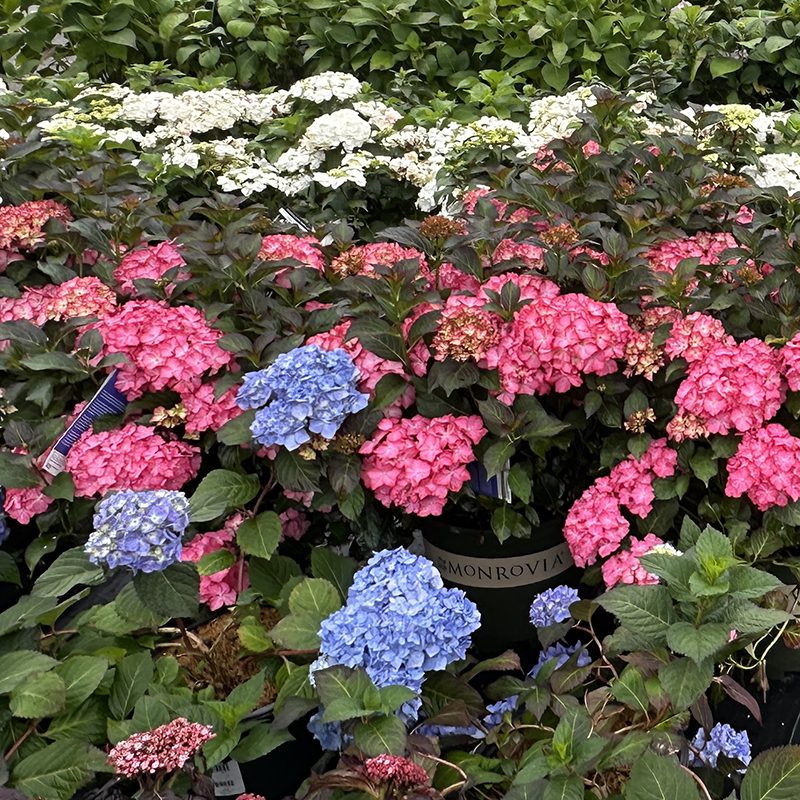
Plant bigleaf Hydrangeas where they will be shaded in the afternoon.
Hydrangea macrophylla mopheads and lacecaps will last the longest when they are shaded from hot, afternoon sunshine. Direct sun and heat cause the big flowers to wilt even if the soil is moist, and the blossoms that wilt like this every day will be brown by the beginning of August. If the area of your yard where you want a hydrangea is sunny, use one of the panicle varieties (Hydrangea paniculata) or a native smooth hydrangea (arborescens) or oak leaf (quercifolia).
Question from Happy Hour: Joanne planted lupines from seed in her raised bed…leave them or move them to the garden now?
Lupine are easy to grow from seed, but if you want them to be in a flower garden you should move them now. If moved at the end of June they will have the rest of the summer to get their root established before winter. Also, once these plants are larger they don’t transplant as well.
Here are a couple of things to know about Lupine. It takes them a couple of years to grow large and beautiful, and they tend to be short-lived perennials. Where they are happy (the roadsides of Maine and the clay soils of Berkshire County) they usually self-seed so you always have them. But on Cape Cod if you love Lupine you should plan on starting them from seed every year and keep adding them to the garden, since after four or five years the larger plants tend not to come back. Don’t deadhead if you want them to self-seed, and be on the look for small ones every spring so you can move them if they’ve sprouted in the wrong place.
Question from Pricilla: What’s the best way to have more blooms on Japanese and regular Iris?
These perennials bloom best when they are divided and replanted every four to five years. If your iris aren’t blooming as they did in the past, or if the clump is now bare in the center and the foliage growing in a donut shape, it’s time to dig, divide, and replant. Dig them all out. Cut off pieces about the size of a luncheon plate off the outer edges, which are the newest, most vital growth. Discard the rest in the compost. (Yes! Do it.) Loosen the soil where you’re going to replant – if it’s in the same area, or in a place where you’ve never fertilized, scatter some Bio-tone on the ground and work that in. Replant and then top-dress around the plant with an inch of compost. Top with an inch of mulch and water well.
Note: Japanese iris like deep, regular watering. A deep soaking less often is better than a little every other day. Iris appreciate consistently moist soil but not having their foliage hit with frequent irrigation.

When adding shrubs, remember to think “foliage first.”
When your landscape has a variety of colors and textures of leaves it will be beautiful both before and after their flowers are in bloom. If you’re adding one or two shrubs to an established yard, take a photo of what’s already there and then look for leaves that are of different colors, shapes and sizes. If you’re planting an area “from scratch,” use some evergreens (plants that keep their leaves or needles all winter) and some flowering, deciduous plants with contrasting foliage.

Some random tips to keep yourself smiling…
Don’t think that you have to finish all of your planting in one day. Be willing to put plants in the ground or containers one or more at a time. Repeat to yourself: “Rome wasn’t built in a day…if it had been, I would have hired their contractor.”
If it’s hot, plant in the morning and then rest in the afternoon. Drink water. See above.
Speaking of water, after placing any plant in the ground, water it well, even if rain is expected. If you’ve put several plants into one bed, set up a sprinkler that will water the entire area.
If you have bunnies, immediately spray your new ornamental plants with one of our liquid rabbit repellants. The key to sharing your land with rabbits is not to let them get into the habit of eating your newly placed plants.
If you are putting new, tender annuals or vegetables in the garden, dust non-flowering seedlings with DE. (Don’t dust with DE if your plants are blooming since DE isn’t good for bees.)
Subscribe To Our Newsletter
Sign up for our weekly email about sales and events.