
More Flower Power IS Possible
More Flower Power IS Possible
Adding annuals to your perennial garden in early August
Many people find that while their perennial and garden beds are filled with colorful blooms early in the summer, they have more foliage than flowers by the end of July. Most gardeners, however, can add a few pots of annuals at the beginning of August and have flower power for three more months. Here are some plants that will add color to your flowerbeds, and some tips for getting them quickly established.
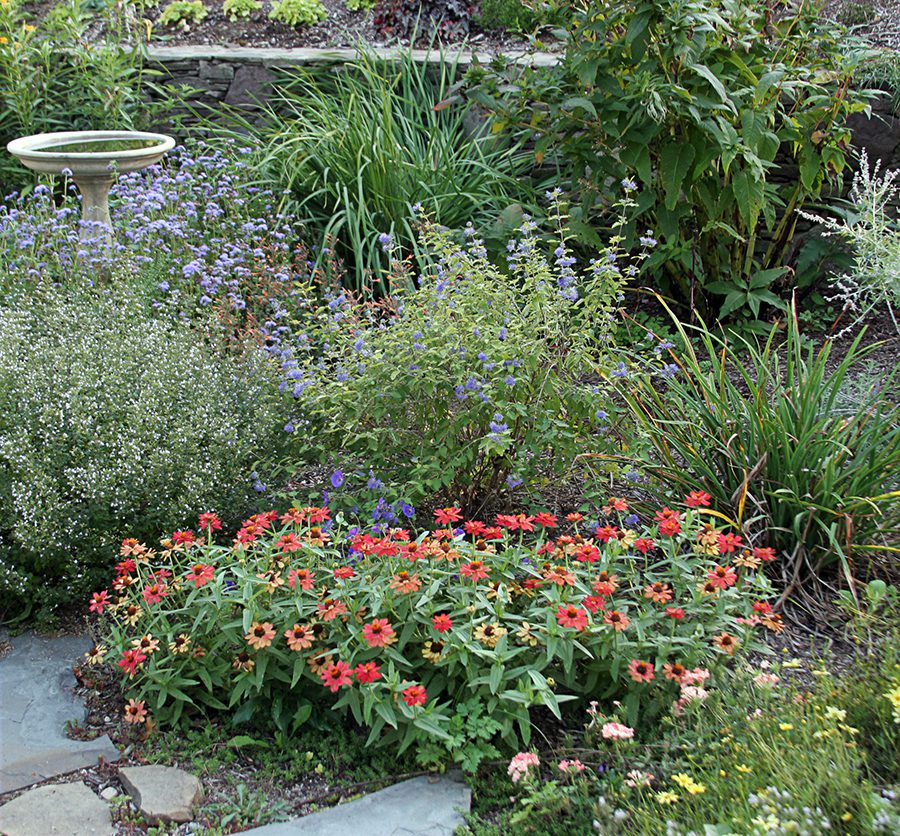
If a perennial isn’t an asset in the garden right now, cut it down to the ground.
Catmint (Nepeta), perennial blue Salvia, bee balm (Monarda), Geranium ‘Rozanne’ and some other perennials can look tired, leggy or browned at this time of the summer. These plants can be cut down to between 2 and 4 inches tall. Even daylilies that have finished blooming can be sheared to remove old stems and brown or yellow leaves. Many of these perennials will respond with new leaf growth this summer and look fresh again. Geranium ‘Rozanne’ will even make new flowers and continue to bloom into the fall. In addition to getting the less-than-attractive foliage out of the garden, this also opens up spaces where you can plant a few pots of annuals.
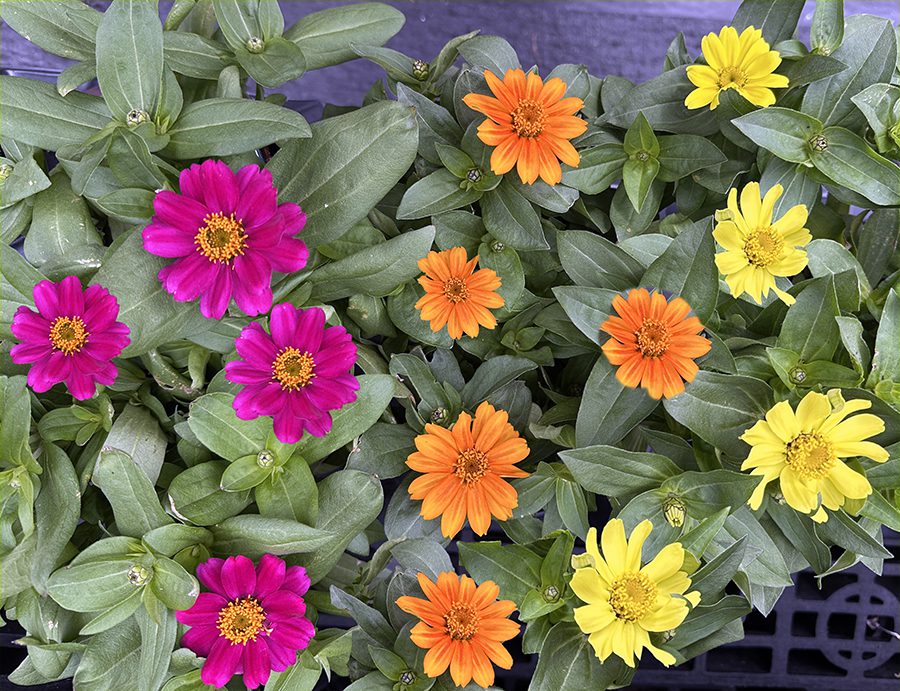
Scatter time-release synthetic fertilizer in the area before planting.
After cutting finished perennials back, dig holes where you want annuals to go and scatter some Shake n’ Feed or Osmocote time-release fertilizer in the hole and around the area where the plant will go. A tablespoon or two per pot is perfect. While we usually recommend organic fertilizers for lawns, landscapes and gardens, annuals benefit from “fast food.”
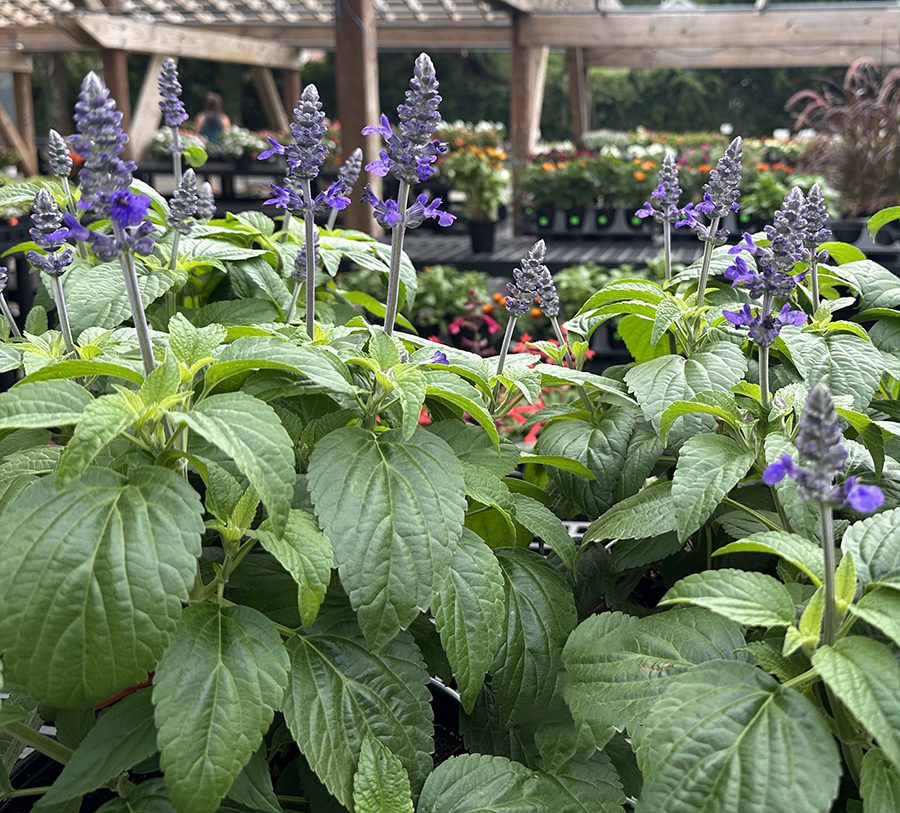
Design tip: Plant Annuals in Groups of 3
Just as perennials look best planted in groups of 3, 5 or 7 plants, annuals are also better able to strut their stuff when they have company. When it comes to flower power, more is more.
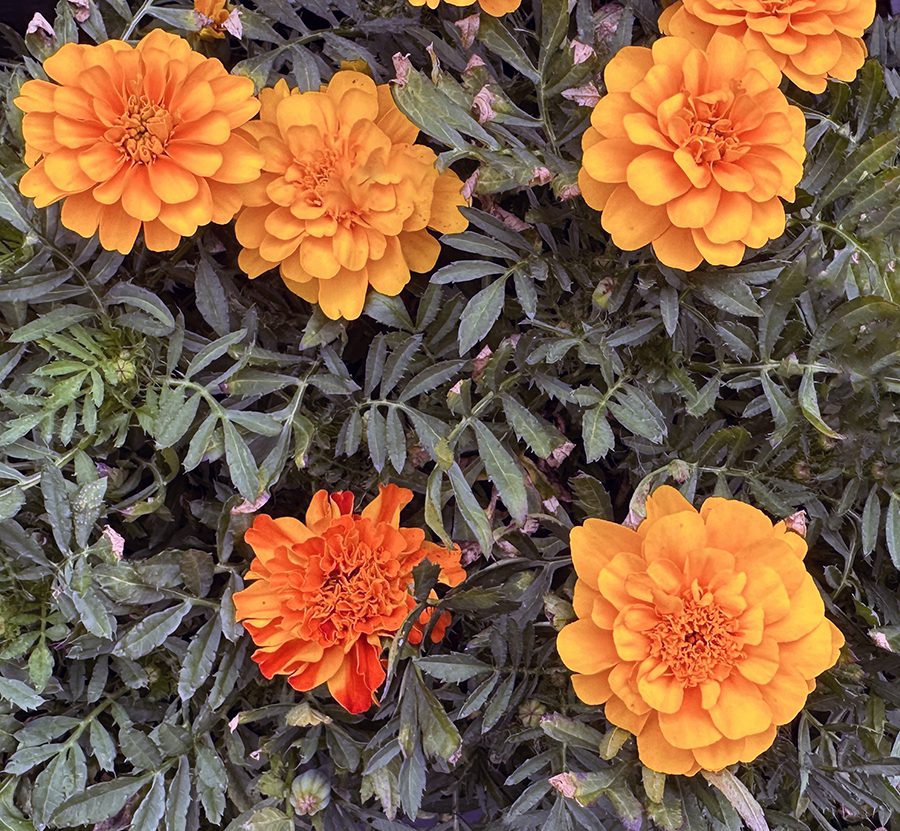
Water plants in well after placing them in the garden.
Remember that pots of newly planted annuals have a root system the size of the pot they were in, and these will dry out more quickly than established plants. You may need to supplement the watering around new annuals for three or four weeks while their roots grow into the soil.
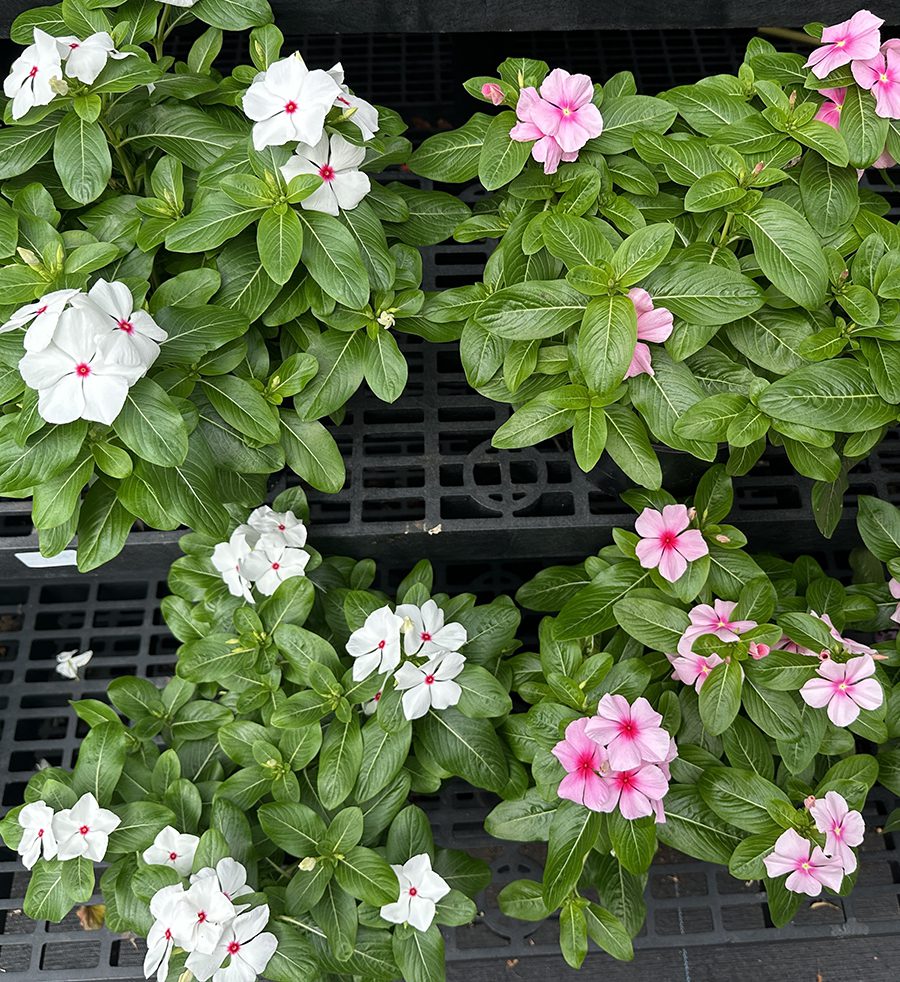
Use annuals appropriate for the amount of sun or shade available.
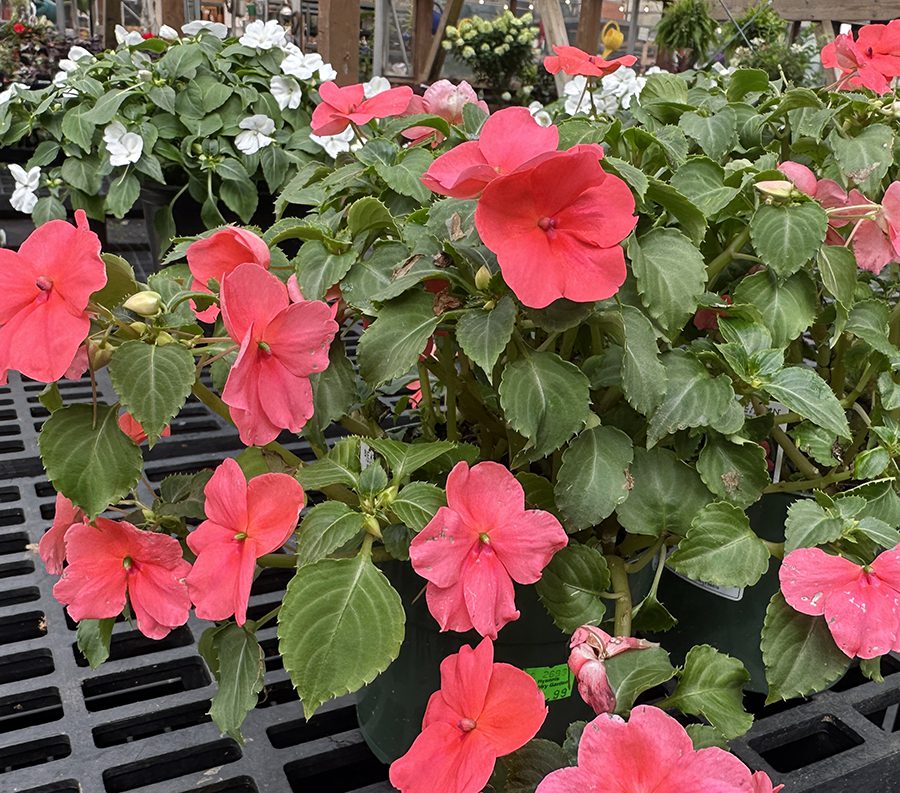
Before choosing your annuals, watch to see if the area where you’ll be planting is currently in the sun all day, in the morning only, or in the afternoon. Gardens that only receive morning sun or dappled sunlight through trees should be planted with shade tolerant annuals such as begonias, impatiens, or coleus.

Subscribe To Our Newsletter
Sign up for our weekly email about sales and events.