
Early September Did You Know…
Early September Did You Know…
The fall weather is perfect for planting, and here are a few things that you might not be aware of…and some tips for success.
Fall Pansies Usually Last Until Spring
The pansies that you plant in the fall usually live all winter and come back bigger and better in the spring. Just be sure to keep them watered through Thanksgiving if it doesn’t rain, especially if they are planted in containers. Once the temperatures are cooler during the day as well as at night, watering well once a week should be enough, but while day-time temperatures reach 70 and above, water these plants every 3 days.

Ornamental Cabbage and Kale Becomes Colorful With Cold Temperatures
Ornamental cabbage and kale in containers or in the garden are great for many reasons. On the Cape they will be beautiful into and often through December. Although these plants look pretty now, they become even more colorful as the temperatures fall. Their centers turn purple, pink or white as the season goes on. Here’s a tip to keep your ornamental cabbage and kales lovely and uneaten: spray them upon planting with Plantskydd or another liquid rabbit repellant, and the next day spray with Captain Jack’s (spinodad) or Bt to prevent the white cabbage butterfly larvae from eating the plants. Both of these should only need applying once.

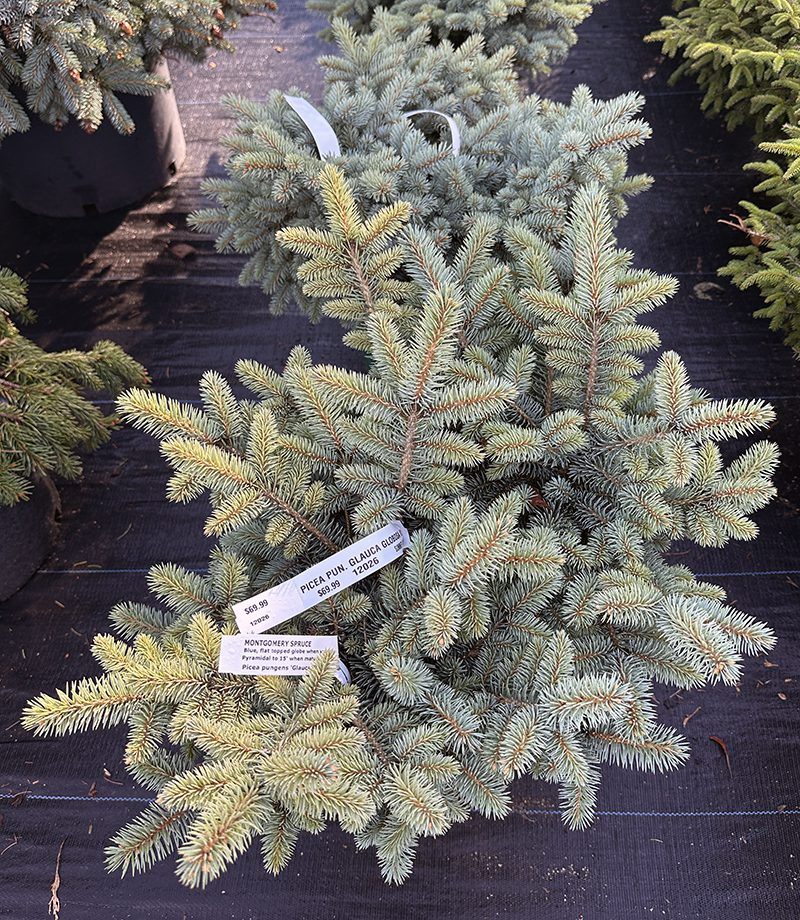
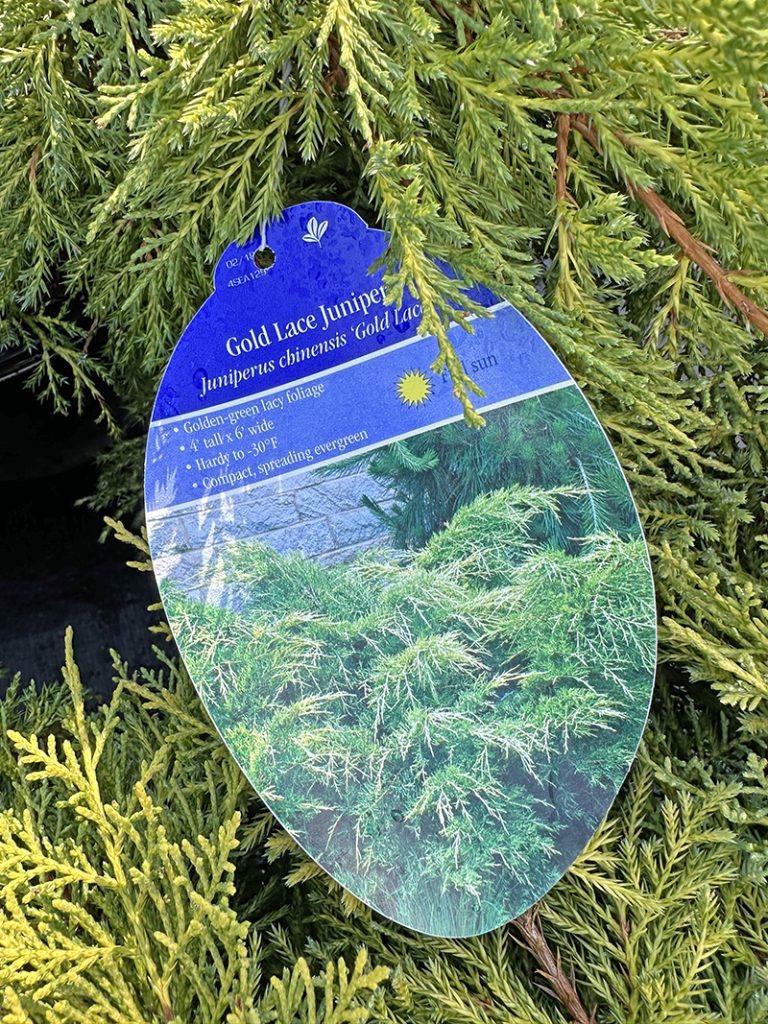
Pay Attention To The Sizes On Conifer Tags
Sometimes people hope that the evergreen plant that is the perfect height when they buy it will remain that same size. Or they think that as the plant grows they can keep it small by pruning it. But that conifer that looks as it it will always be small might be one of the plants that can grow to 6′ or taller, no to mention just as wide. Read the tags and labels and add another foot in all directions for good measure. If pruned back every year, many of these plants lose the very beauty we plant them for, so it’s best to choose the right plant for the location instead of assuming that it can be pruned.
Bayberry is Perfect For Dry Landscapes
One of the best plants for dry areas is our native bayberry (Myrica pensylvanica). While many plants are seen wilting after two months with little rain, bayberry looks fresh and lovely. This plant can be allowed to grow tall and become a small tree, or it can be pruned down to near the ground every other year in the spring. The leaves are fragrant and can be used in cooking as a substitute for bay laurel leaves.

Fall is a Great Time to Add to Your Perennial Garden
At this time of year your garden’s performance is fresh in your mind. You may need more end-of-season color, or more groupings of three or more plants so that the flower garden looks less polka-dotted. On Cape Cod, September is a great time to add perennials because they will have 3 or 4 months to get their roots established. Those plants will be ready to grow bigger and better next spring.
Tip for success: When adding new perennials at this time of year, make sure to water them well at least once a week through October. After hard frost, do not cut the stems or wilted leaves down; you can clean them up in the spring, but allowing the remains of the plants to stay in the garden all winter helps with their survival this first year.
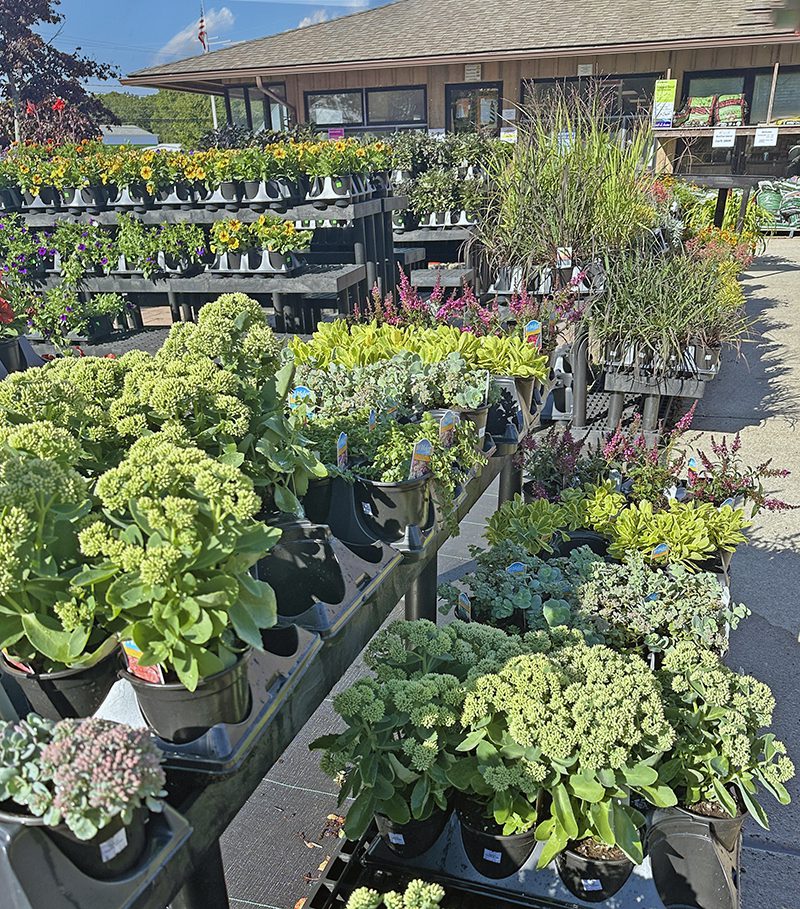
There is a Sedum That Stays Shorter And Has Brilliant Color
Yes, we love Sedum ‘Autumn Joy,’ but there are other versions of this plant that stay shorter and are more sturdy. Sedums are perfect for drought-tolerant gardens in full sun. They look stylish from the moment the foliage pokes up in the spring to when there is a coating of frost or snow on them in November. These plants are also very hardy and can be used in containers that stay outside over the winter.

C.L. Fornari’s Most Popular Class: Sept
Did you know that for the past 20 years C.L.’s most popular class at Hyannis Country Garden has been “Pruning, Demystified: Be a Barber, Not a Butcher.” She gives this class virtually so that the visuals are clear and people can join on their home computers or tablets. Registration information here.

Subscribe To Our Newsletter
Sign up for our weekly email about sales and events.