
Weed of the Week: Yellow Nutsedge
Weed of the Week: Yellow Nutsedge
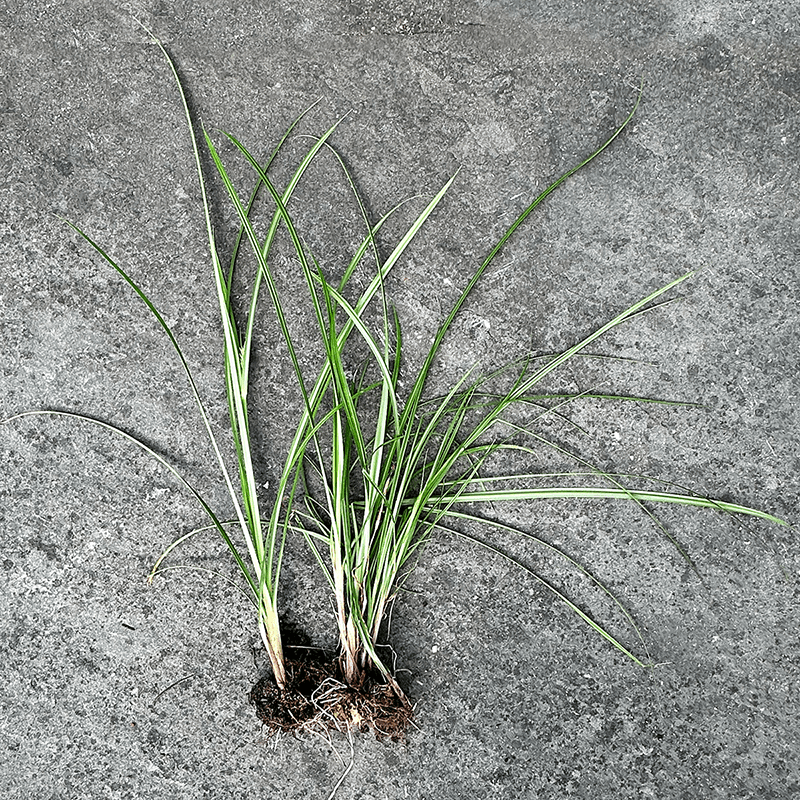
In mid-July the yellow nutsedge (Cyperus esculentus ) plants may be a foot or more tall and coming into bloom. This plant is native to the southern United States, and it is the larval host for the dun skipper butterfly (Euphyes vestris), also known as the sedge witch. Many species of animals and birds eat the plants and seeds, so some choose to leave this weed in selected areas on their property.
Yellow nutsedge can appear in lawns, flowerbeds and vegetable gardens. It prefers wet soil so areas that are frequently irrigated are more likely to have nutsedge flourishing.
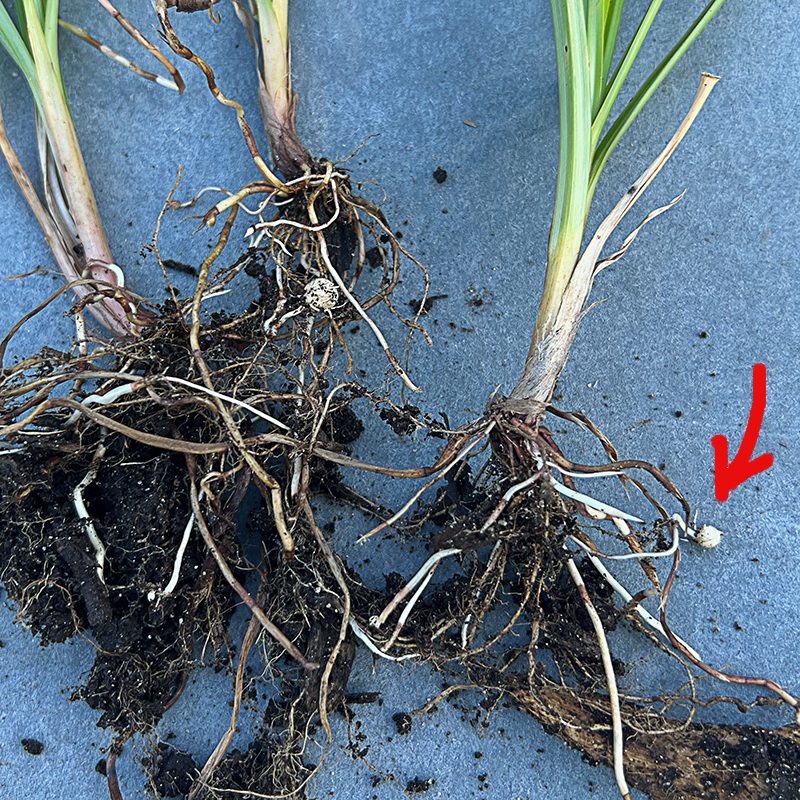
This sedge has tiny tubers on the roots that usually remain in the soil if you simply pull the plant up. New plants sprout from those tiny “nuts” that remain in the ground. They also grow into new plants in the spring, and if allowed to flower and go to seed, this weed will spread via seeds as well.
Repeated pulling will eventually weaken or eliminate stands of this plant. Those who wish to use an herbicide need to use one formulated specifically for hedges. The brand we offer is Sedge Ender.
Subscribe To Our Newsletter
Sign up for our weekly email about sales and events.