
Summersweet
Summersweet
Clethra alnifolia, aka sweet pepperbush, aka summersweet: a notable native for Cape gardens!
You say that you’d like a shrub that flowers in the summer when you’re outside? You ask for something that is also fragrant, indigenous to this area, and supports pollinators? And while you’re writing a wish list, perhaps fall color and food for the birds might also be desirable. All of these qualities can be found in our native Clethra alnifolia.
This plant is also called coastal pepperbush because it’s native region is eastern North America, from upper Florida into Nova Scotia. Despite the common name, this is not where peppercorns come from…the seeds just resemble pepper corns but although they aren’t toxic, they aren’t edible either.

Fragrance for the summer landscape.
Clethra alnifolia is also called summersweet, because of the fragrant flowers. This shrub is typically in bloom from late July through August, and the fragrance is especially sweet in the evening and morning. That perfume makes this the perfect plant to place near fire pits, around decks, near screened porches or other areas where you’re likely to be in the cocktail hour or with your morning coffee.
There are several varieties of Clethra alnifolia.
There are several types of summersweet, so you can match the right plant to your landscape. The straight species is perfect for conservation plantings, mixed-shrub borders, or even a medium height hedge. It grows between 5 and 7 feet tall, depending on soil moisture, and will sucker to the sides over time.
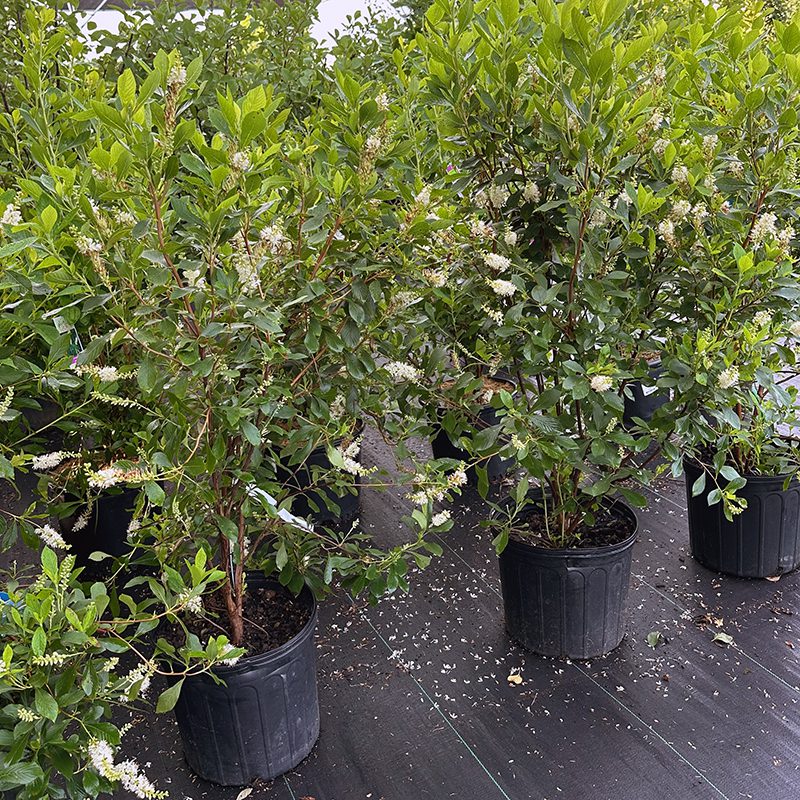
Those who need shorter plants will be pleased with ‘Hummingbird,’ a variety that grows between 3 and 4 feet tall.

A shrub for birds, bees and butterflies.
Clethra attracts and supports wildlife. You’ll enjoy watching hummingbirds, bees and butterflies on the flowers in August, and seeing gold finches eat the seeds in the spring.

An attractive shrub for several months.
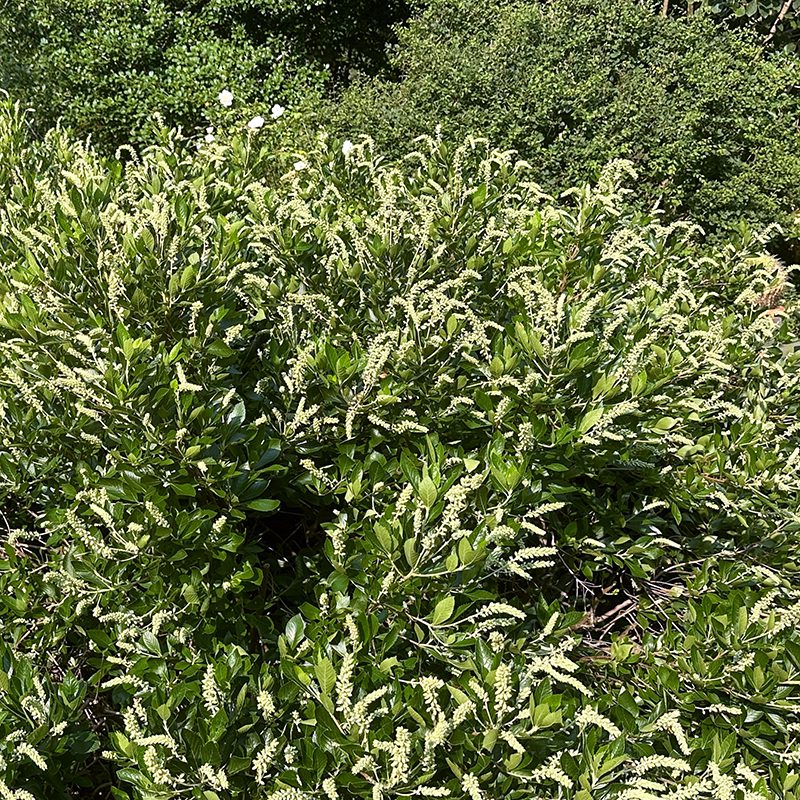
Although Clethra isn’t evergreen, it has a long season of interest. The drooping clusters of dark seeds are attractive through the winter and as the plant breaks dormancy in the spring. The flower buds are lovely as they form from late-June through July…the plant pictured below was one of the most-asked about shrubs during my open garden days for the Cape Cod Hydrangea Festival in early July. People loved how the developing buds looked on this group of the variety ‘Hummingbird.’
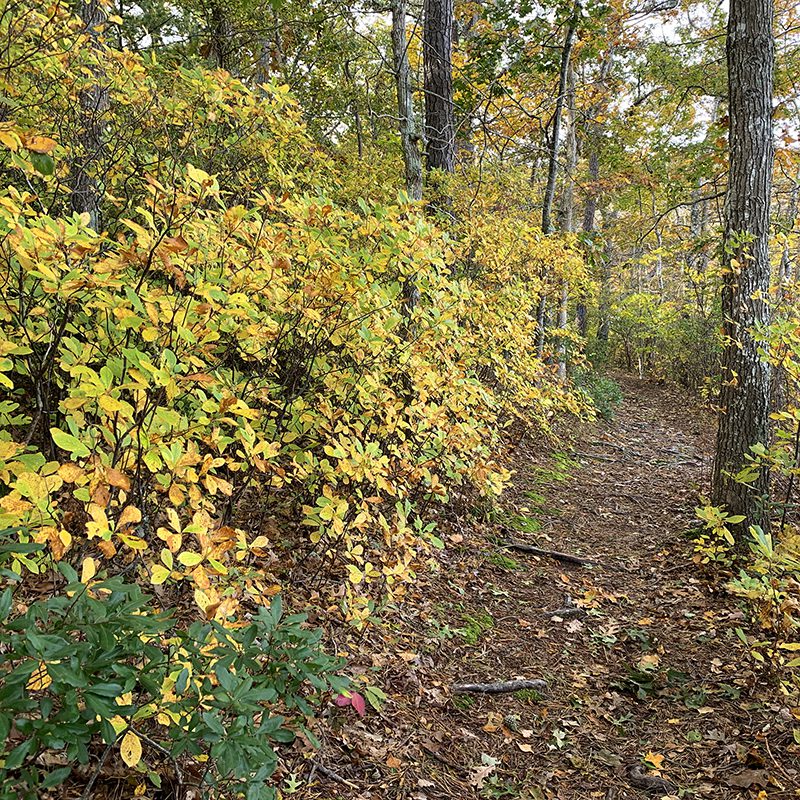
In late October Clethra alnifolia foliage turns yellow to gold, so it’s a great choice for fall color.

Clethra care.
Plant Clethra alnifolia in our native, acidic soils. It will do well in a variety of sun exposures, from dappled shade to half-day sun or even full sun. Amend from the top down around the plants by mulching with a one to two inch layer of chopped leaves, bark mulch or pine needles. When planting in very sandy soils you might spread an inch of compost before the mulch goes down, and both will help the soil to hold onto moisture through the summer. Water summersweet deeply once a week.
When you first plant sweet pepperbush, clip them back in the spring and shape a bit to encourage thicker growth. Once the plants are established they need little maintenance but they can be sheared back or into a hedge in the early spring.
Subscribe To Our Newsletter
Sign up for our weekly email about sales and events.