
Your Cape Cod Vegetable Garden in Fall
Your Cape Cod Vegetable Garden in Fall
Are you wondering what you should do for your vegetable beds in September and October? Maybe you have heard you should plant a cover crop, or top-dress with compost. Here is our list of fall vegetable garden tasks that will keep your garden healthy and make things easier for you next spring.
Soil Level in Raised Beds
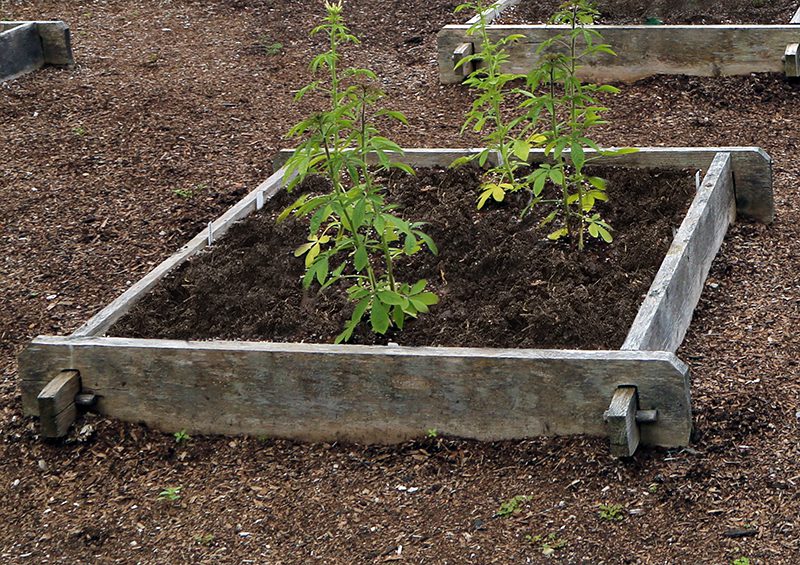
Over time, the soil in raised beds sinks. This is the time to address such lower-level soils so that you’ll be ready to plant garlic in October and your seedlings next spring. The first thing to do is to pick up some loam or have it delivered. Vegetable gardens need real dirt, and sandy loam is the best for growing edibles. Do not fill your raised beds with pure compost or with potting mix!
Top-Dress Soil With Compost
After the soil level is up near the top of the raised beds, or for in-ground gardens that aren’t raised, amend your soil with compost. You can use your own, homemade compost if you have it, or one of our bagged products such as Coast of Maine Lobster Compost or Bumper Crop. Know that more is not better as it can make your soil too heavy. A one or two inch layer of organic matter, applied over your entire bed, is enough. You can leave it on the surface of the soil or turn it in with a shovel or tiller.

Should I Turn the Soil in the Fall?
There are some people who turn the soil with a shovel or a tiller, and others who use the no-till method in their beds. There are advantages to each. Turning the soil in the fall can help get rid of existing weeds and will expose over-wintering insect pupae to winter weather. Turning soil is often recommended for helping to control squash-vine borers, for example. Using a shovel or tiller also works compost into the ground.
Those using the no-till method let the compost amend the ground from the top down, as nature does it in the woods and fields. Mulch is put on top of the compost in the spring to reduce weeds, and then the compost is applied on top of that again the following fall. No-till gardening keeps the soil structure intact and the weeding down since you’re not exposing weed seeds to the light every year.
Should I Plant a Cover Crop?
Planting cover crops such as winter rye is a practice that comes from farming that isn’t usually needed or practical for smaller, home gardens. For farms that are tilled regularly, winter rye prevents soil from blowing or washing away during the winter. It becomes a “green manure” that amends the ground when the plants are plowed under in the spring. But most home gardens aren’t large enough for wind erosion to be a problem, and because raised beds are level, water erosion isn’t an issue either. Additionally, smaller gardens can be easily amended with a layer of compost as described above, so a green manure isn’t needed. Finally, while it’s easy to turn a cover crop over with a tractor and plow, doing it by hand in a raised bed takes physical effort; it’s much easier to dump three or four bags of compost on a veggie garden and call it done.
What About the Finished Crops?
Once a vegetable has finished producing, it’s time to pull out the old plants and put them in the compost. Any that have had mildew or leaf blight fungi should go in a brush or burn pile, not in the compost. It’s a good idea to do this in the fall; the weather is cool and often sunny, so it’s nice to be outdoors. And by clearing the old plants out in the fall you’ll have a blank slate come spring.
When Does Garlic get Planted on Cape Cod?
On the Cape we plant garlic in October. If you buy your seed garlic earlier, keep it in a cool place but mark on your calendar to plant in the middle of October when the soil starts to cool. See our post from a previous year about planting garlic.
Should I Fertilize my Vegetable Garden in the Fall?
Autumn is the perfect time to take samples of the soil in your vegetable garden and send them off to the University of Massachusetts Soil Lab for testing. This is a good practice every four or five years. The results will tell you what nutrients you might need to add next spring. In general, vegetable gardens aren’t fertilized in the fall.
Subscribe To Our Newsletter
Sign up for our weekly email about sales and events.