
The End of Summer Perennial Garden
The End of Summer Perennial Garden
Adding color, dividing/transplanting, and soil health.
Spending a little time in the perennial garden now can give you months of pleasure ahead. Even if you don’t want to do a fall cleanup, there are some plants that can be cut back now for renewed growth into the fall. Here are some guidelines for creating a perennial garden that will have you smiling through November.
Perennials You Can Cut Down Now
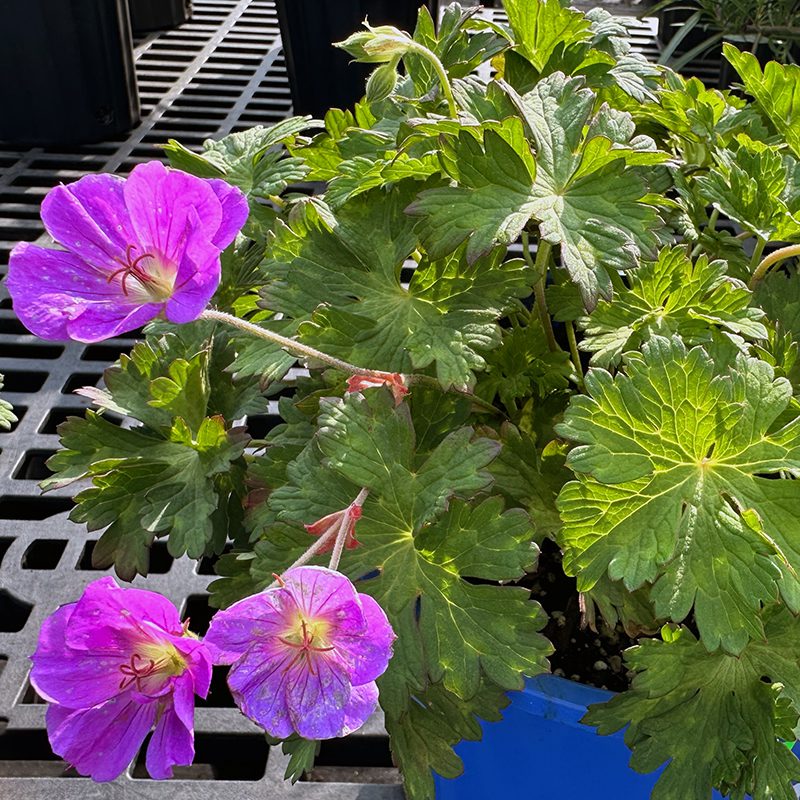
There are some plants that don’t bring much to the party in late August, but that will be refreshed with new growth into the fall if you cut them down now. Daylilies (Hemerocallis), cat mint (Nepeta), and Rozanne geraniums are four such plants. These are not plants that have the thick, pithy stems that some insects overwinter in, so you don’t have to worry that this cleanup of these plants is hurting pollinators. These perennials will grow back fairly quickly with new foliage for the fall, and the Rozanne geranium will even produce more flowers.
Leave any perennial that has thick, pithy stems in place until next spring. Hardy Hibiscus are examples of such plants. Perennials that have foliage that is still photosynthesizing, or woody plants such as lavender, should also be left through the winter. Other perennials such as Hosta will completely die to the ground in the first hard frost, so you can let Mother Nature take care of those plants later in the season.
Add Late-Season Bloomers
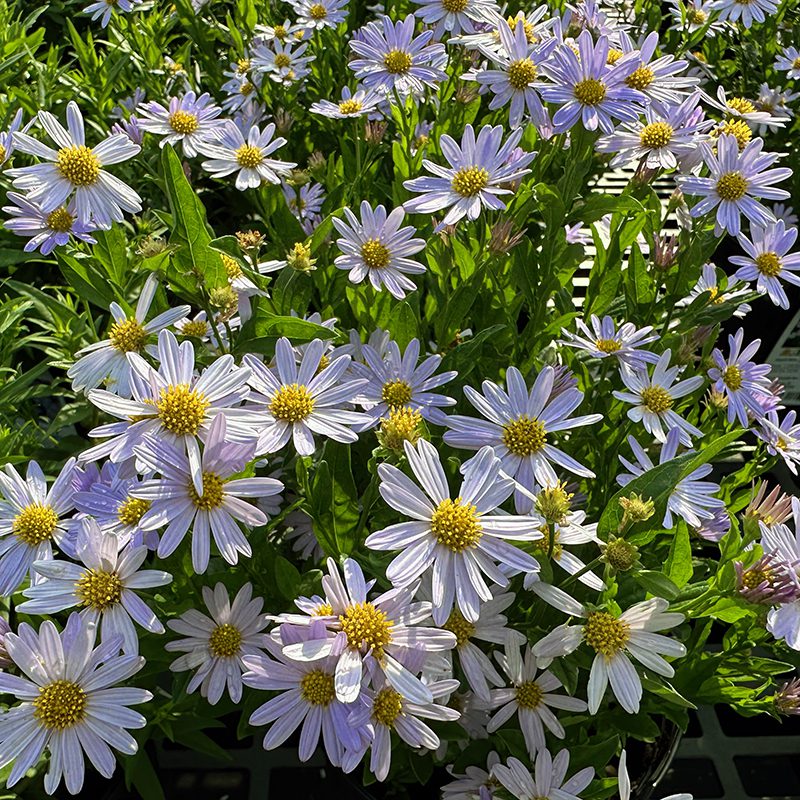
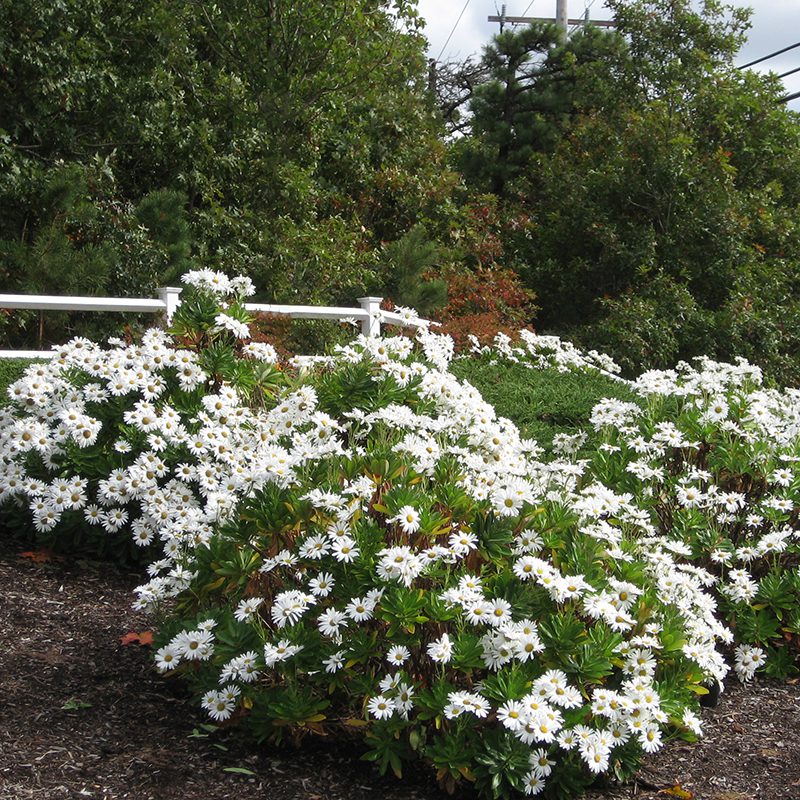
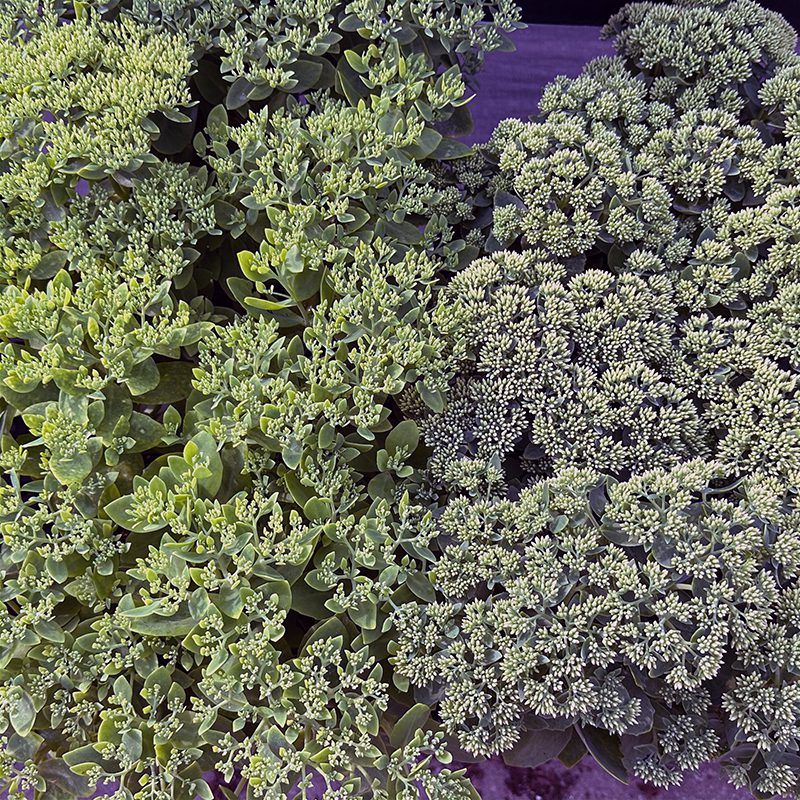
Sometimes we will look at our perennial gardens in August and realize that most of our plants flower earlier in the summer. If you don’t have fall flowering plants in your gardens, this is the ideal time to plant them. Fall asters and Montauk daisies are two favorites on Cape Cod. The asters typically flower in September and October, and the Montauks (aka Nippon daisy) bloom in October.
Add Annuals For Flower Power
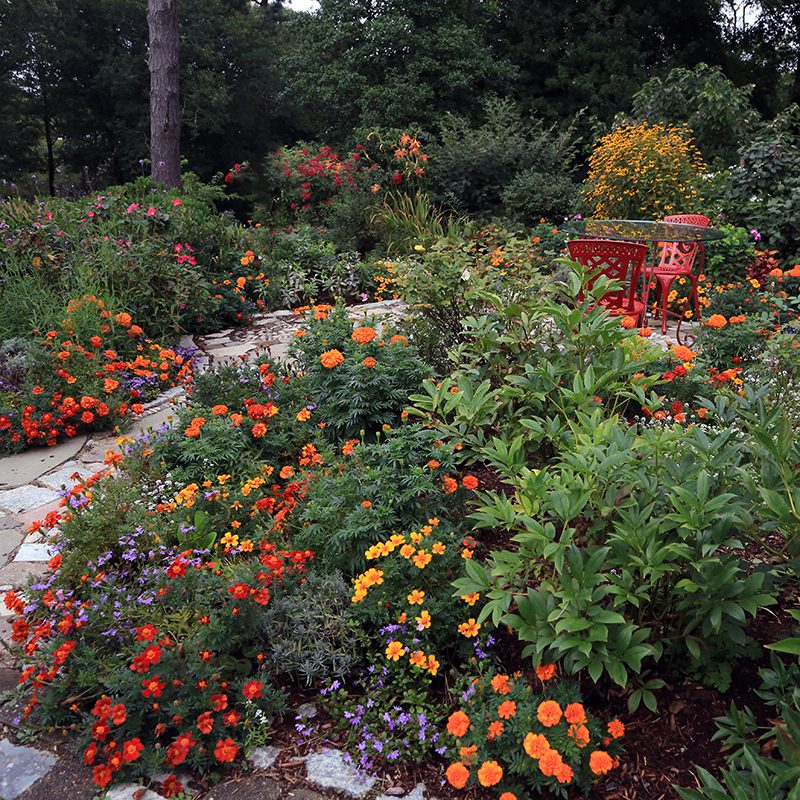
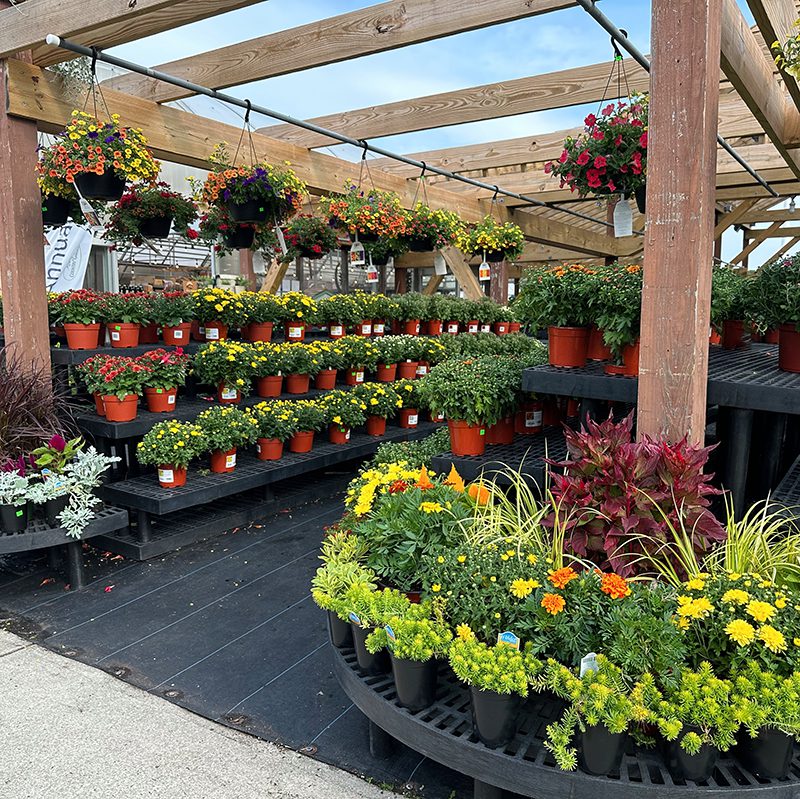
From marigolds and zinnias to the traditional fall mums, our annuals section is filled with plants for late-season color. These can be tucked in between the peonies, iris and other early-flowering perennials to add color to your garden well into October.
Divide Perennials or Transplant Now
Late August and early September are the ideal time to move perennial plants because they will have at three or four months to grow new roots and get established before winter arrives. After replanting clumps of perennials, water them in well, even if rain is expected. Spreading a layer of compost around those recently moved plants will not only enrich the soil, but the dark color of the compost absorbs the heat of the sun, and warm soil encourages root growth.
Spread a Layer of Compost
One of the best things you can do for a perennial garden in the fall is to spread an inch of compost over the ground, in between your plants. This can be put right over any mulch that remains in place, unless that mulch was applied too thickly and is over 3 inches deep. In those cases, rake some of that mulch away, spread the compost, and then replace the mulch on top. Do not add more mulch next spring, but let the entire area be for a year or two.
Compost can go right on top of mulch that is an inch or two thick. Next spring, only apply an inch of mulch over the compost. The combination of compost and mulch will feed the soil from the top down, which is how nature improves growing conditions.
Got an Open Space? Decorate for Fall!
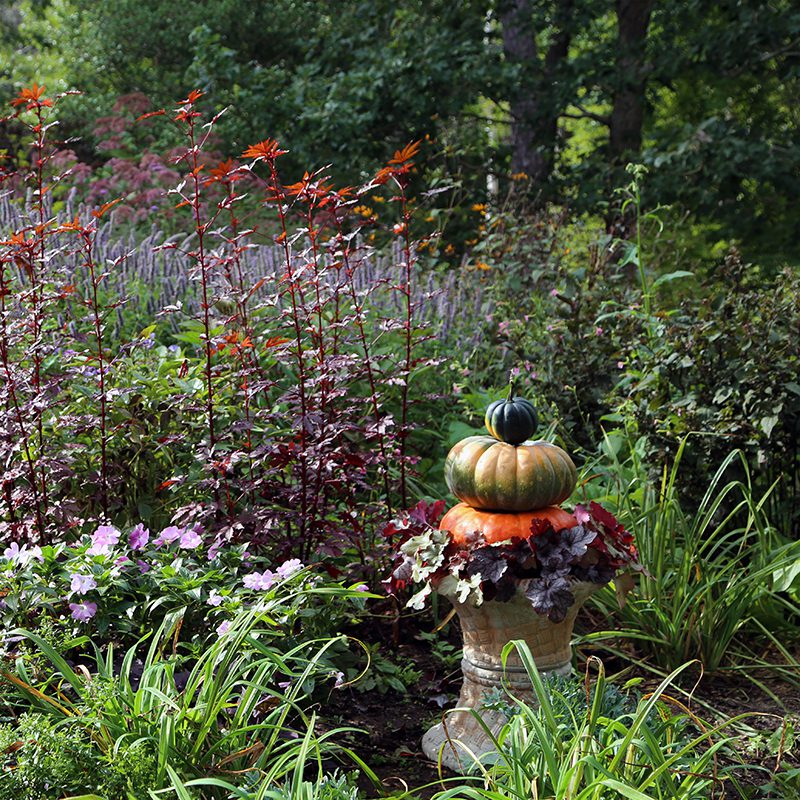
I often cut my peonies down in late August because the leaves have mildew and are turning brown. That can leave some open areas in my perennial bed, and often I’ll use that space for an autumnal display.
Fall Rabbit Alert!
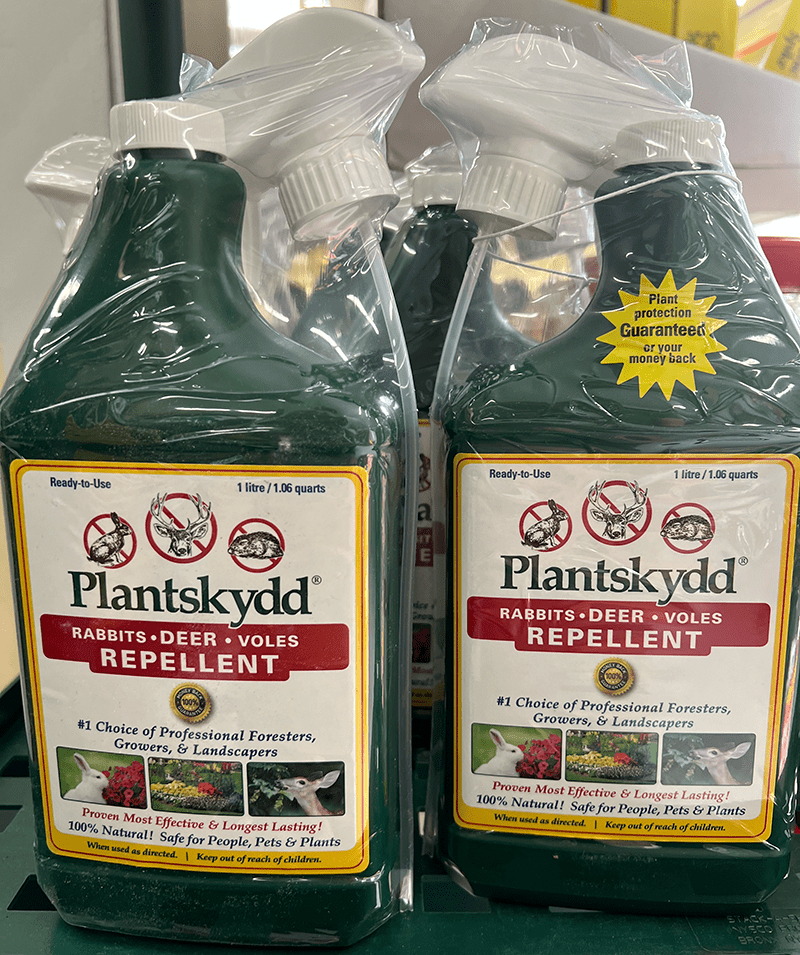
Whether you’re putting new annuals or perennials into your garden, or moving things around, it’s smart to “train the bunnies” from day one that those plants are not on their menu. Use Plantskydd liquid animal repellent, spraying the plant the same day you’ve put them into the garden. This repellent is also the best fall deer protection for Hydrangeas and Rhododendrons.
Subscribe To Our Newsletter
Sign up for our weekly email about sales and events.