
Seed Starting Q & A
Seed Starting Q & A
Q. Do I have to use special seed starting mix? Can I use the regular potting soil I already have?
A. Although there are reasons that you might want to use seed starting blends, you don’t have to start seeds in such mixes. Seed starting mixes tend to be finer in texture and have fewer large chunks than other potting mixes. That fine texture holds moisture longer than other blends, so that if you start with a well moistened seed starting blend, water the pots after you plant your seeds, and then cover with clear plastic you shouldn’t have to water in the time it takes for most seeds to germinate. Seed starting mixes that are watered and covered with plastic can stay moist for two or three weeks. Potting soil that has larger pieces of bark or larger pearlite can dry out faster, so seeds planted in regular mixes should be checked every five or six days, even if the pots or flats are covered with plastic.
If you are using potting mixes that you have on hand, be sure that they were stored dry. If a potting mix is wet and kept in a warm location such as a garage or shed, or outdoors in the weather, it can develop fungal or bacterial problems that might affect germination or young seedlings. If the bags were kept dry, it shouldn’t matter if they are a year or two old.
The only problem with starting very fine seed in a normal potting mix is that if a large chunk of bark shifts over fine seeds, it can block the light or prevent a small, tender seedling from growing. This isn’t usually a problem with larger seeds. I have used both seed starting blends and regular, organic potting soils to start tomatoes, peppers, zinnias etc, and have had success with both mixtures.
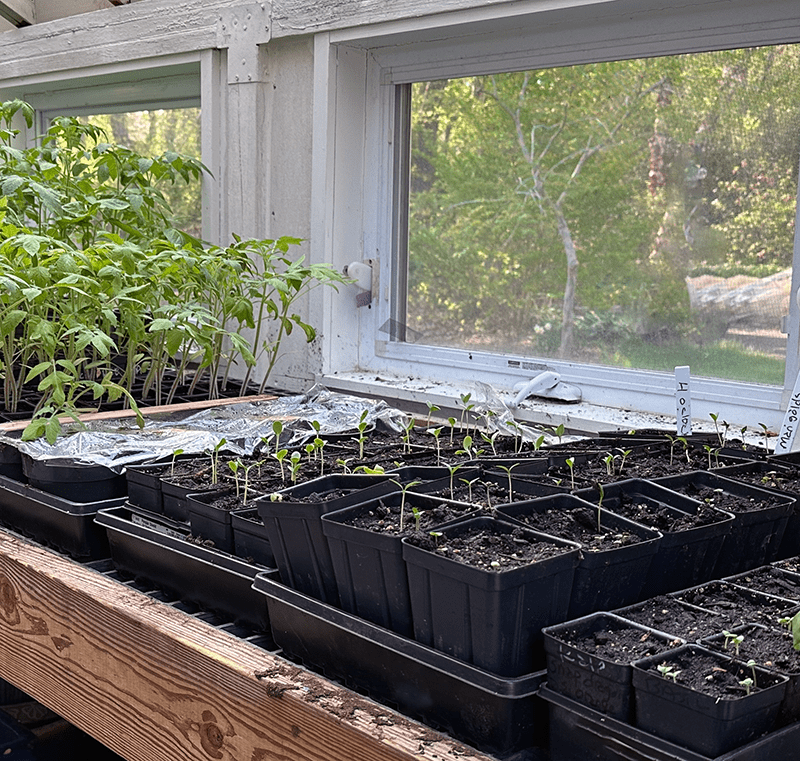
Q. Help! I started many seeds under lights in January and now the plants are huge. Can I put them outside at the end of March?
A. You are not alone; many people get excited about starting seeds and plant them too early. You can’t put the seedlings out before the temperatures stay reliably above 50 day and night, however. On Cape Cod this usually happens toward the end of May. Depending on what you have growing and the amount of space you have, you can do the following: Transplant them into larger pots and keep them under lights until the end of May. Or, put the transplanted pots of seedlings onto trays and put them outside on days that are above 50 and inside at night until May. Save any seeds you didn’t start in case you need to plant more in April indoors, or put some directly in the ground at the end of May.
Q. Last year I started cucumbers inside and they got mildew before I put them out. When should I start them this year?
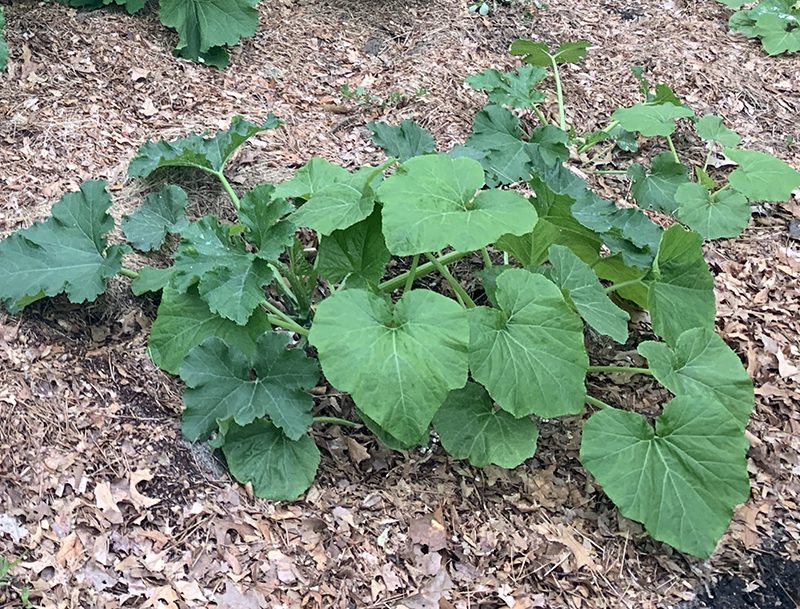
A. Cucumbers, squash and melon seeds are best planted directly in the ground once soil temperatures are above 58° F. That usually happens on the Cape at the very end of May or first week in June. Soil temperatures are often similar to air temperatures at night, so use that as your guide.
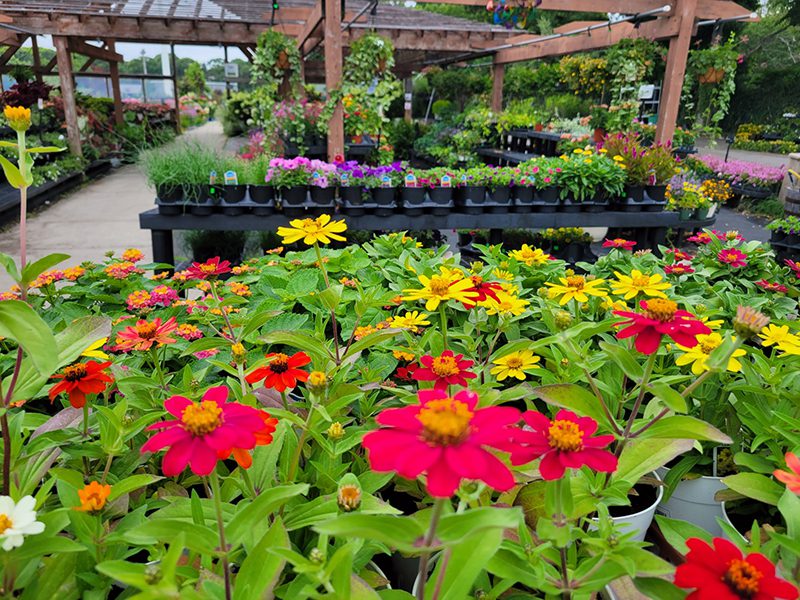
Q. When should I plant marigold and zinnia seeds inside?
A. Most annual flower seeds germinate quickly, so on Cape Cod we don’t start them before the middle of April. In this area summer annuals are usually planted outside at the end of May, not because of frosts, but because the night and soil temperatures remain cold until that time.
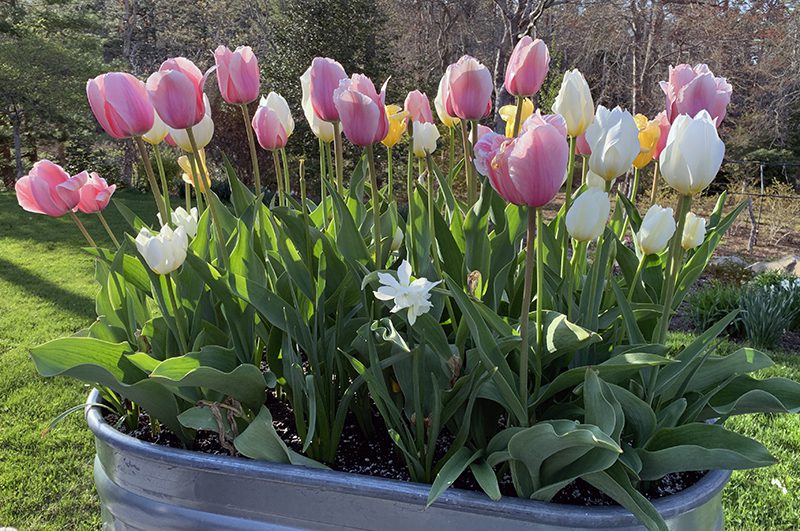
Q. Is it too late to plant bulbs in my boxes outside?
A. If you already have the spring-flowering bulbs, put them in. But if you don’t have bulbs it would be better for you to buy the potting ones that are already rooted and sprouting. We have many assorted bulbs outside in the front of the garden center right now that can be planted in containers and boxes outside now and into the last weeks of March. Combine those with a few pansies and you’ll have a lovely, spirit-lifting spring display.
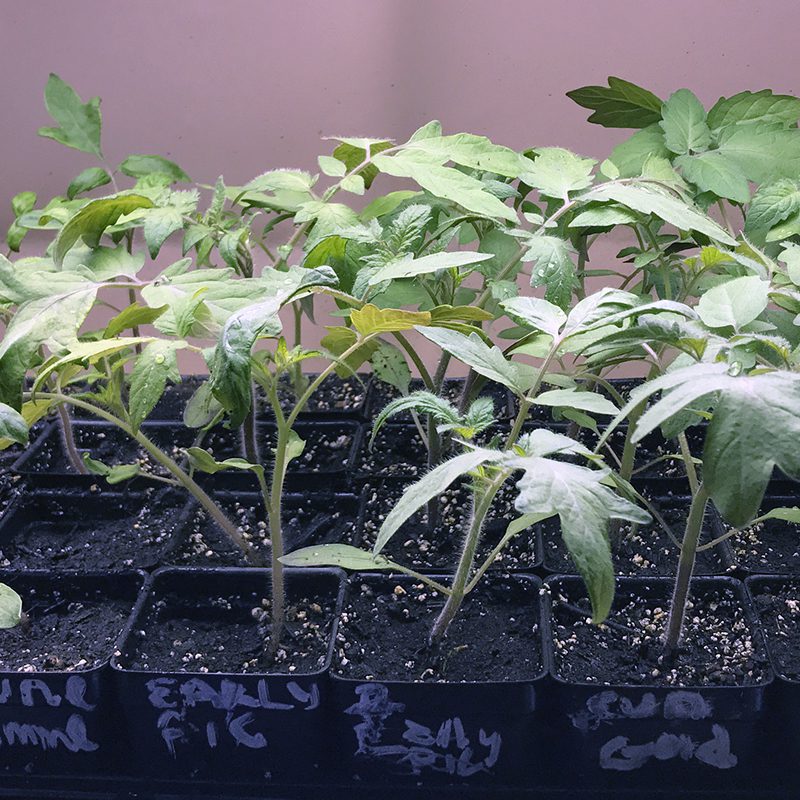
Q. How close should my lights be to my seedlings?
A. The general rule of thumb is about three inches. As the seedlings grow, raise the lights or lower the plants so that this distance remains fairly constant.
Q. I have a rack with lights in my basement, but it’s pretty cool down there. Last year my seeds didn’t germinate very well. I can’t put these upstairs, but should I cover them with plastic somehow?
A. Since good air circulation is important, covering the rack with plastic may not be the best idea. Instead you might want to get two or more seed starting heat mats. These are made for under flats or pots where they might get wet, and they keep your seeds and seedlings at the idea temperature for sprouting and growing. Come into the store to see the sizes we have available.
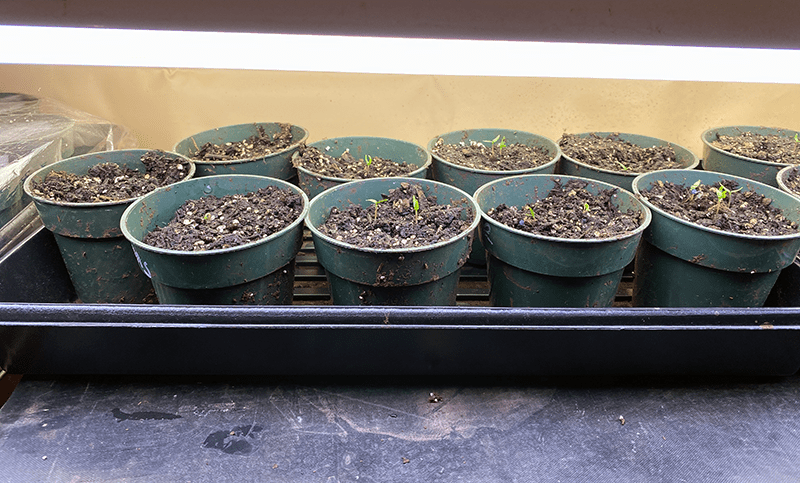
Q. Should I start my dahlia tubers inside now?
A. March is a little early on the Cape to plant dahlia tubers unless you have a greenhouse. In front of sunny windows or under lights, wait to plant dahlias in pots until mid-April. Those pots can usually be put outside in mid-May and transplanted to the ground a week or so later. Remember to spray the young plants with a liquid rabbit repellant when you put them in your garden.
2 Comments
Leave a Comment
Subscribe To Our Newsletter
Sign up for our weekly email about sales and events.
Can i keep my amaryllis growing year round
These plants have evolved to need dormant period. In the wild they go dormant during the dry season. You can keep them growing year round, however, by putting them outside in part-sun for the summer, fertilizing them regularly so that the strength is built up in the bulb. Then leave them out in the fall while it’s getting cooler, and don’t water as often. Don’t let them freeze, however. When freezing temperatures are predicted, bring them inside. They get a short “resting period” in the fall as you water less and the temperatures are lower. Mine usually come into flower fairly quickly after I bring them in this way, although sometimes there is a plant that waits and doesn’t flower for a few months.