
Feeding Your Soil
Feeding Your Soil
Fall and Soil Health
In our yards and gardens, it’s often wise to follow Mother Nature’s lead when it comes to caring for plants. And what is M. Nature doing right now to help her plants grow better? She’s amending the soil from the top down. Even the sand that Cape Cod residents plant in can grow most plants if it is improved annually with some organic matter.
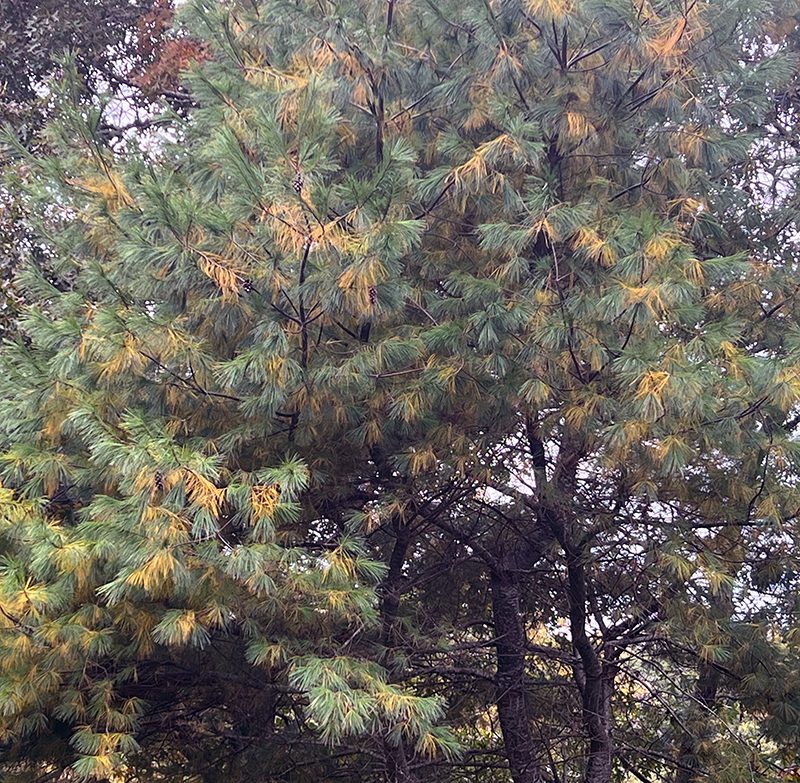
Mother Nature uses leaves, pine needles and other organic matter to keep soil healthy, and much of of that is applied on top of the ground in the fall. This regular amendment improves soil structure and promotes air spaces where roots can grow and water can pass. Organic matter helps with both water and nutrient retention, and provides a home for the beneficial fungi and bacteria that assist with plant growth.
Although most of us don’t want our yards and gardens to look like the woods, there are ways we can copy what Nature does for our gardens’ benefit, and fall is a great time to do so.
Apply an Inch of Compost
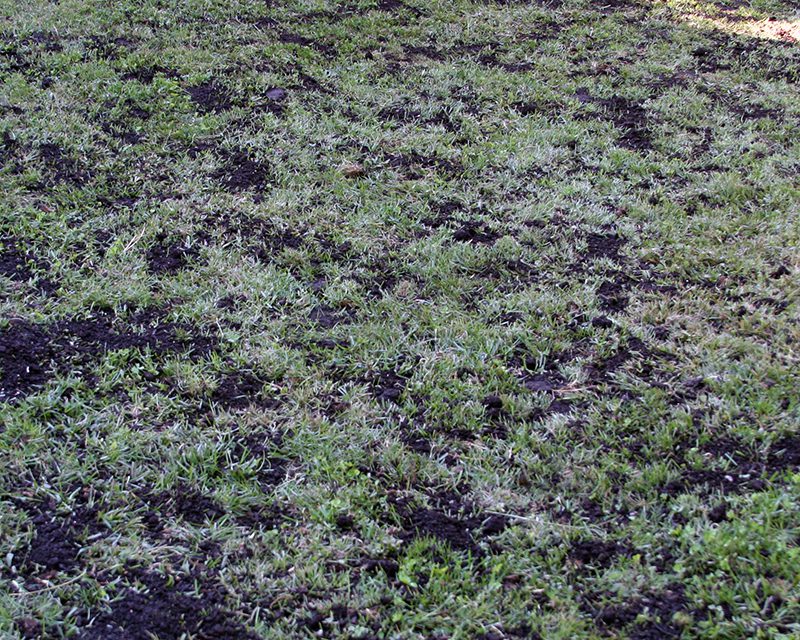
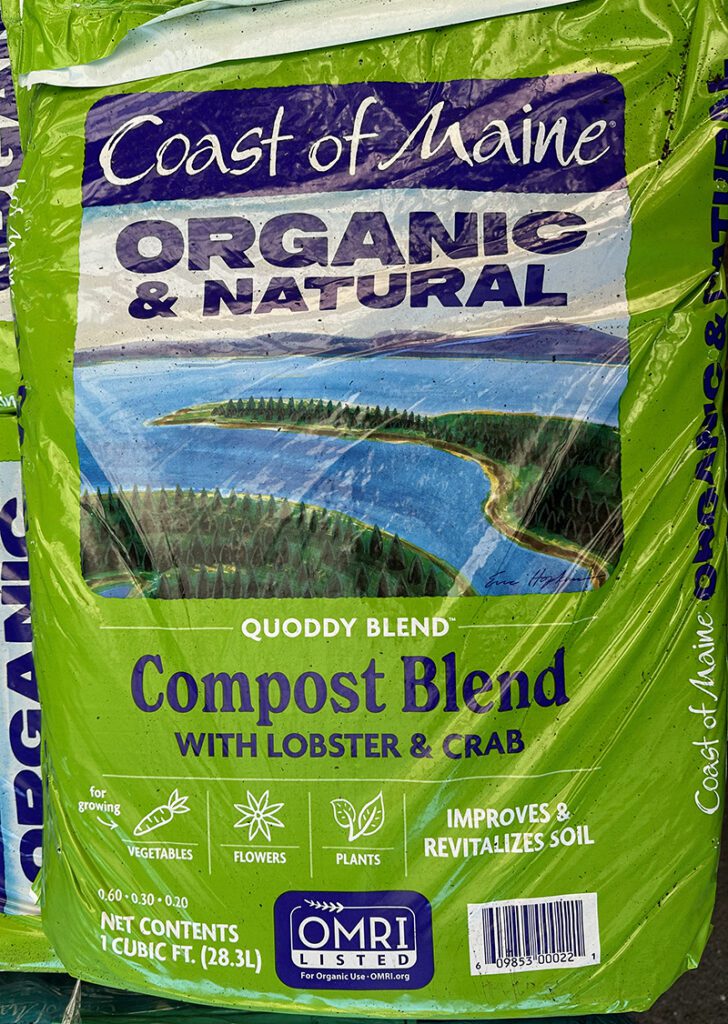
When Mother Nature coats the forest floor with pine needles and leaves, it seems like a very thick layer in the fall, but after a few months that organic matter is broken down to a layer that is around an inch thick. This tells us that to improve our gardens and lawns, we don’t need huge amounts of compost. An inch or so spread on top of perennial gardens, around shrubs, on raised beds, or over the lawn is all that is needed.
Perennial Gardens & Around Shrubs: Spread on Top of the Mulch
As long as the layer of mulch on your gardens isn’t too thick, compost can be spread right on top of what remains from the summer. If your mulch is two inches thick or deeper, you might want to rake it to loosen the pieces, and apply the compost right on top. Ideally, your mulch should be applied only an inch or two deep in the spring, which will be decomposing all summer. Then the inch of compost goes on top of that, followed by another inch of mulch in the following spring. With this schedule you’ll be amending your soil from the top down on an ongoing basis, just like Mother Nature does it.

Get Your Vegetable Garden Ready For Next Year
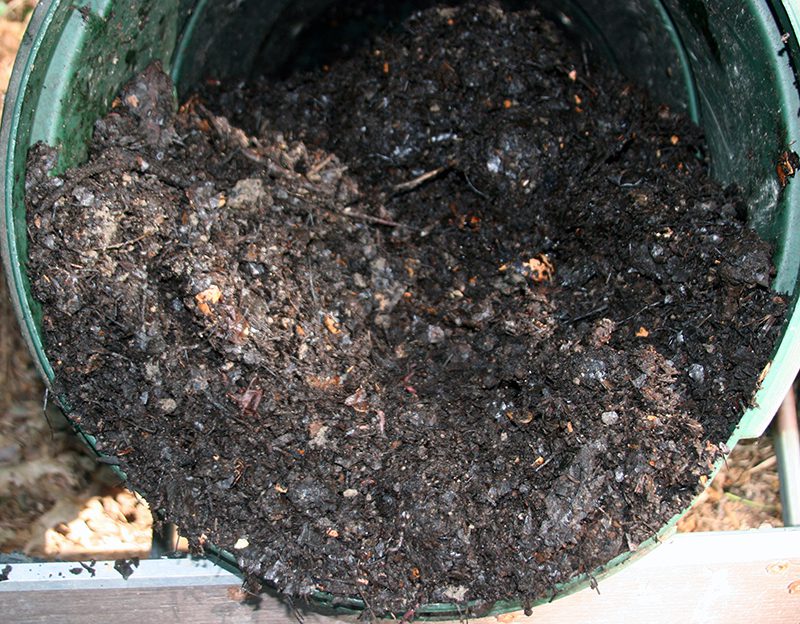
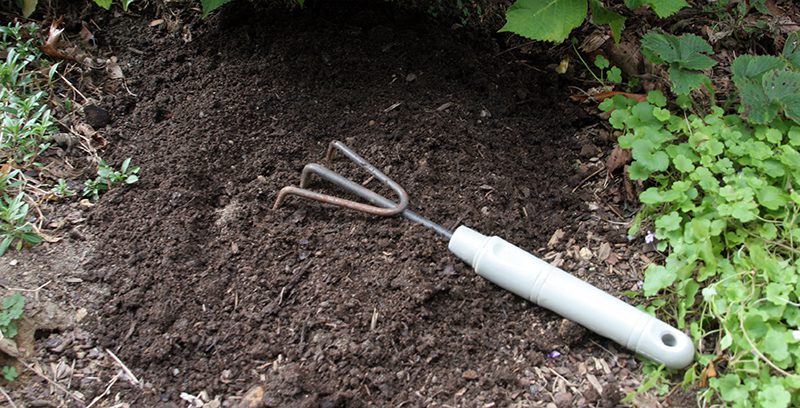
Spreading compost over your vegetable garden in the fall will help it to be most productive next season. You don’t have to dig it in. In fact, many vegetable gardeners use what is known as the no-till method, where amendments such as compost and mulch are laid down on the top of the bed but never turned under. This not only helps with good soil structure, but those gardens usually have fewer weeds since the weed seeds aren’t being exposed to light.
Look at your raised beds and notice if the soil has sunken over the years…if so, you could add a couple inches of loam (aka top soil, not potting soil) before topping with the compost.

Subscribe To Our Newsletter
Sign up for our weekly email about sales and events.